
Last updated November 22, 2026
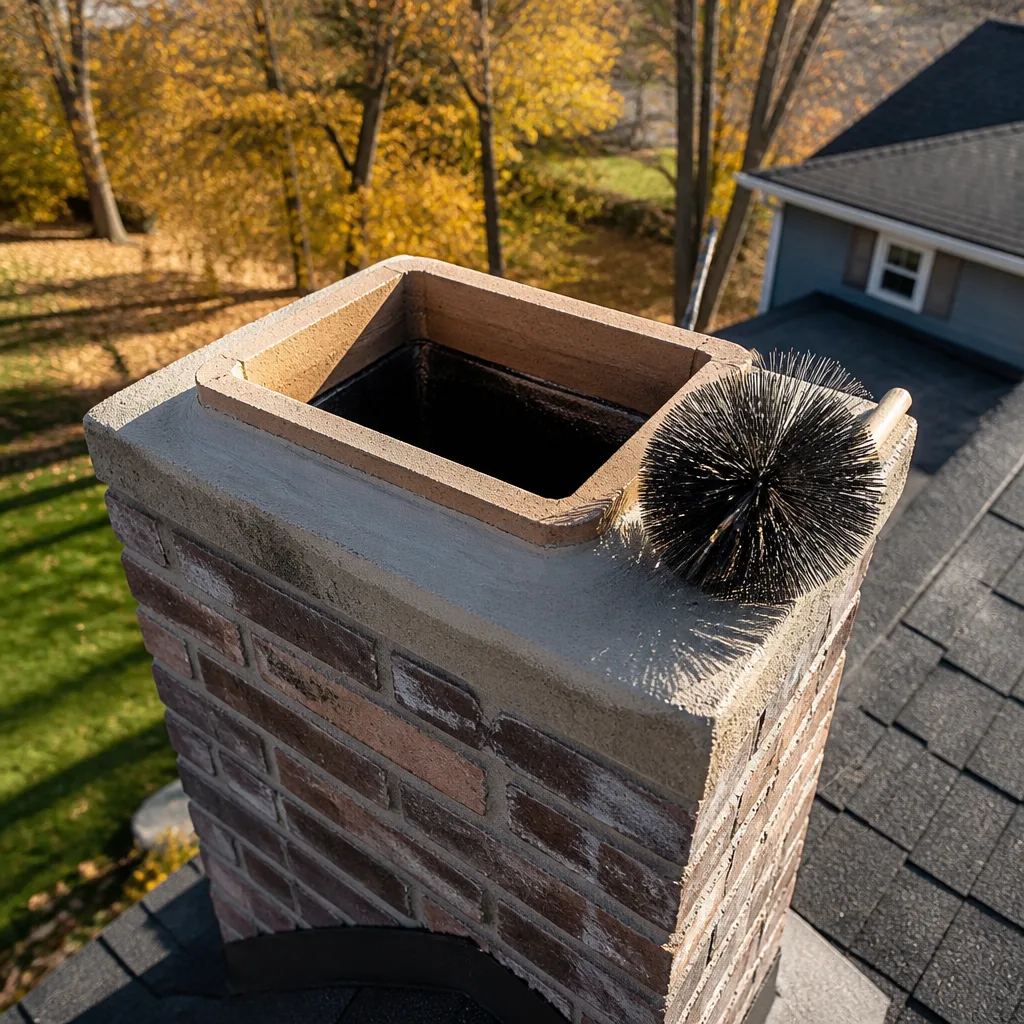 Sweep & inspection
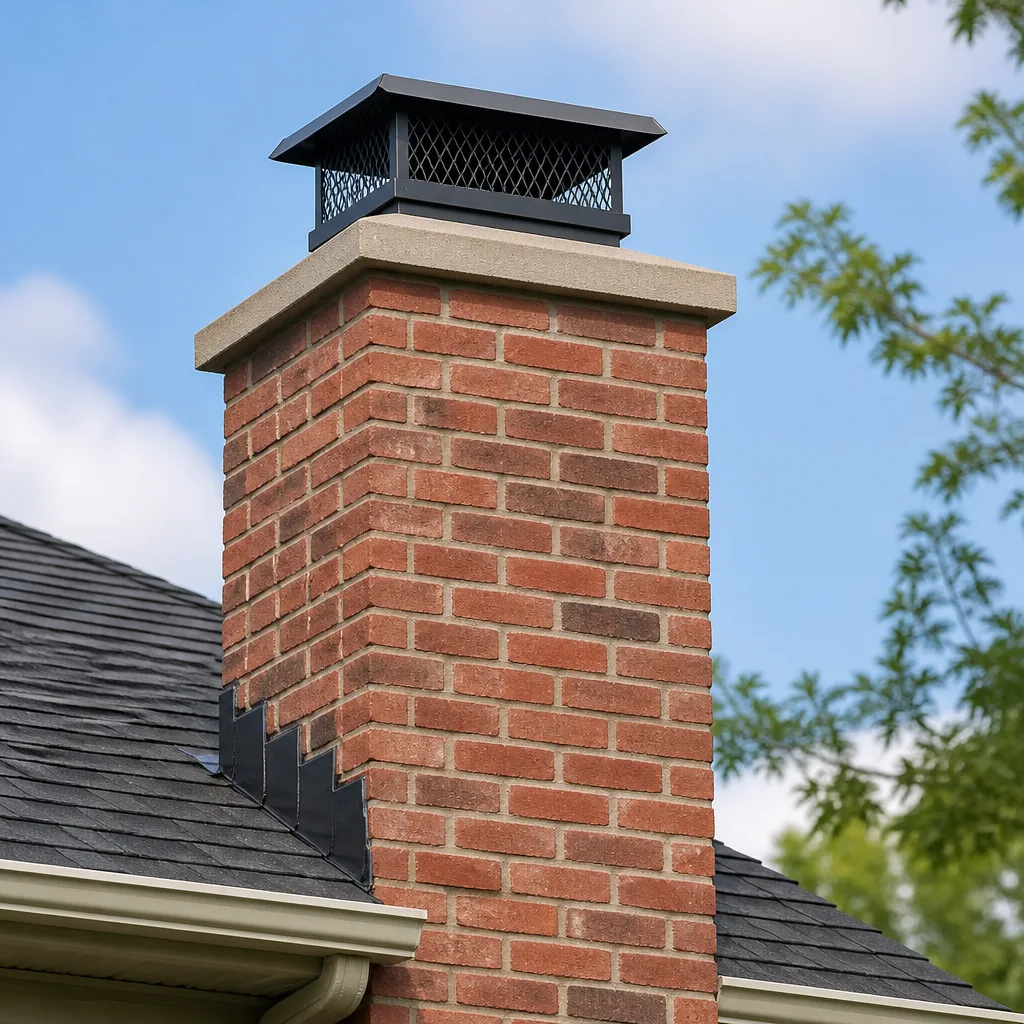 Caps & crowns
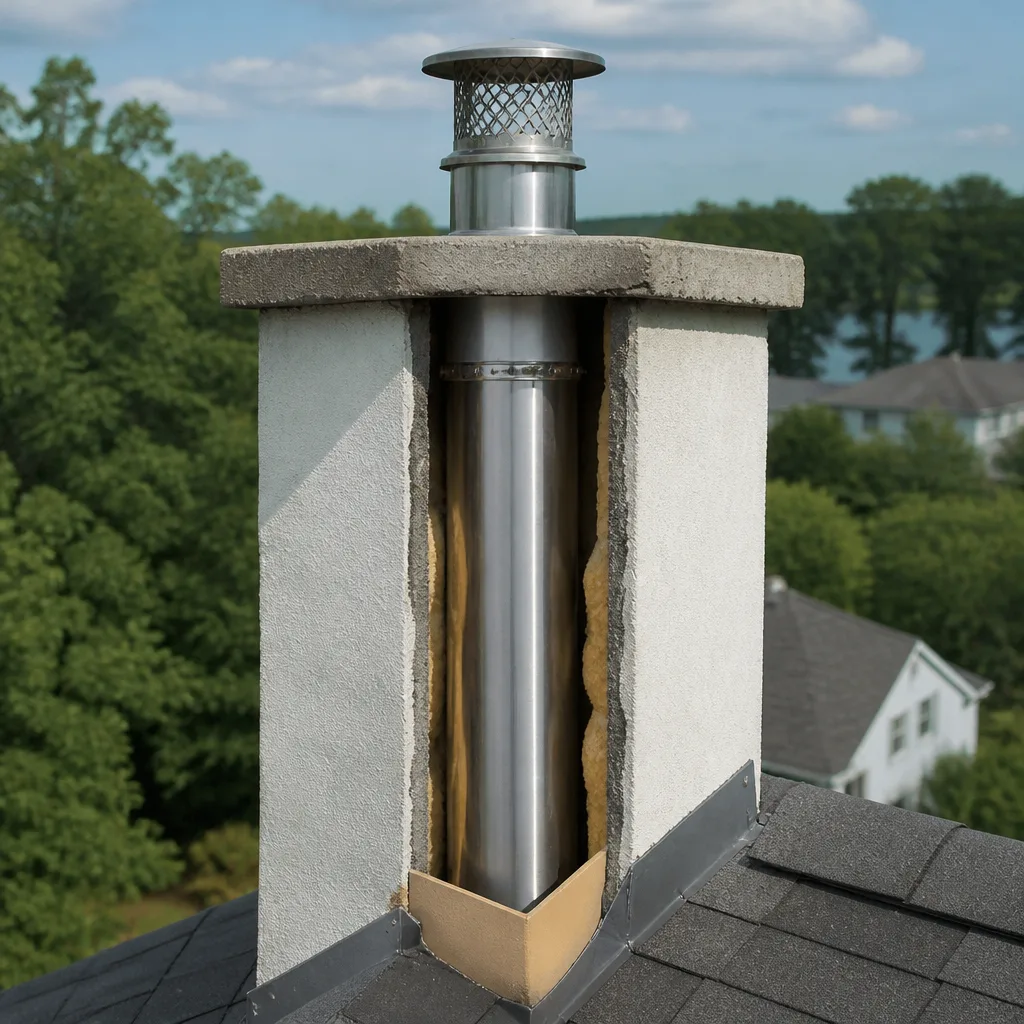 Flue relining
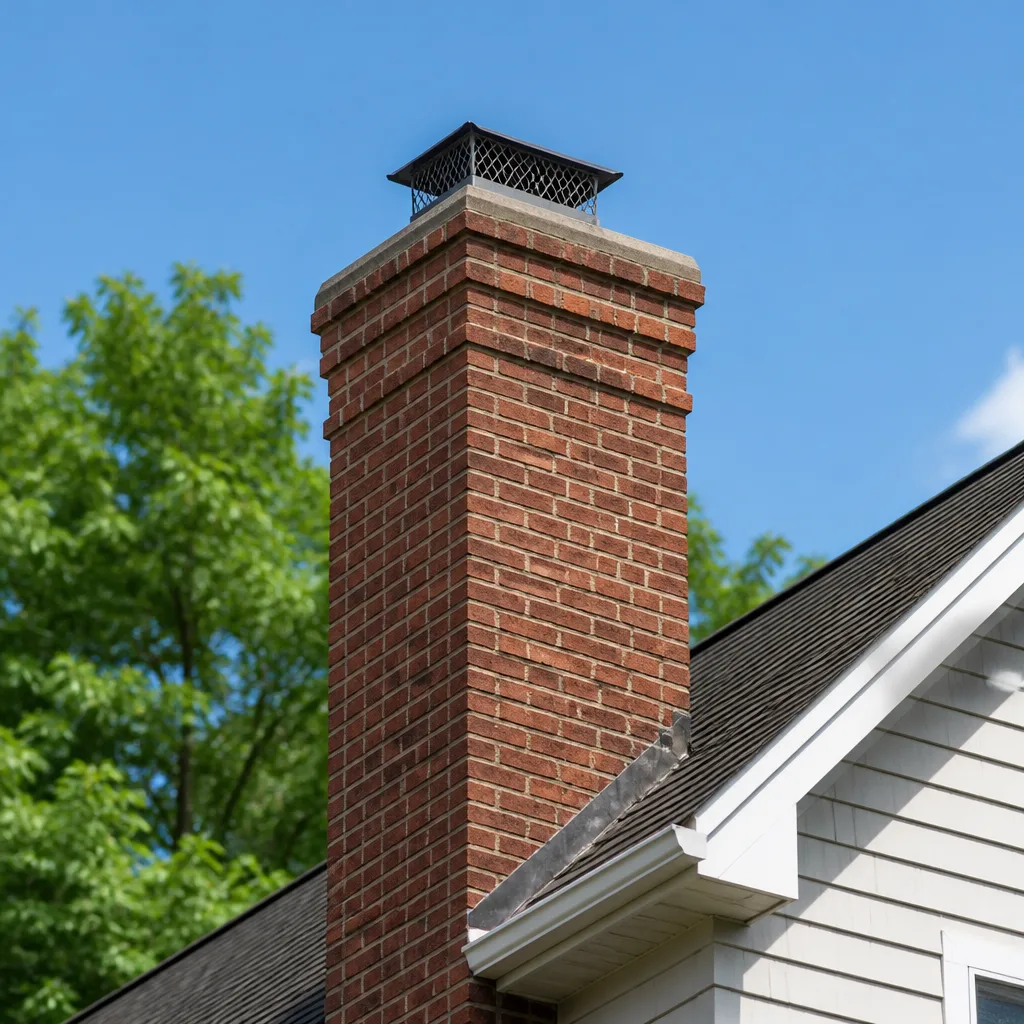 Masonry repair
 Gas fireplace service
Level 1 sweep and inspection to the NFPA 211 annual standard - flue, crown, cap, and flashing checked and photographed
Chimney sweep logs do not sweep chimneys. They loosen some creosote - which then falls where a brush and vacuum still have to collect it.
Chimney Cleaning Emergency Preparedness Guide for Fishtown Homes
In a Fishtown rowhouse, a chimney fire that stays contained to your flue is the best-case outcome. The worst case is a cracked liner inside a shared party wall that moves heat, and potentially fire, into your neighbor’s structure. That’s not a hypothetical. It’s how party-wall chimney construction fails when nobody has looked at the flue in years. This guide covers both sides of that coin: how to keep a chimney event from happening, and exactly what to do if one starts. You’ll learn how to recognize an active chimney fire, what to do before Philadelphia Fire Department arrives, where carbon monoxide risks hide in a shared flue, and what records you’ll wish you had if you ever file a claim.
Quick Answer
If you suspect a chimney fire in a Fishtown rowhouse, call 911 first, get everyone out of the building, and close the fireplace doors or damper intake only if you can do it safely without opening the firebox further. Do not throw water on it. Then have the chimney inspected at the NFPA 211 Level 3 standard before anyone lights another fire. Prevention is the real answer: an annual sweep and inspection catches the liner cracks and creosote buildup that turn a small flue fire into a party-wall emergency.
Styles & brands we work with
- Sweep & inspection
- Caps & crowns
- Flue relining
- Masonry repair
- Gas fireplace service
Table of Contents
- Why Fishtown Rowhouses Change the Stakes
- How to Tell If You Have an Active Chimney Fire
- Immediate Response Steps Before the Fire Department Arrives
- Carbon Monoxide Risk in Shared Flues
- Post-Fire Protocol: The Level 3 Inspection
- Prevention: The Prep Work That Actually Works
- What Records to Keep for Insurance
- Common Mistakes to Avoid
Why Fishtown Rowhouses Change the Stakes
Most chimney care advice is written for detached houses. Fishtown isn’t that. The neighborhood’s housing stock runs to attached rowhouses built close together, and a lot of them share more than a wall. They share chimneys. A single masonry stack often serves two or three units, with separate flues running up inside the same structure. When those flues were lined decades ago, the liner was often clay tile set directly into that shared mass.
Clay tile cracks. It’s not a defect, it’s what happens to tile that heats and cools for a long time under creosote and moisture. Once a tile cracks, heat from your flue has a direct path into the masonry of the party wall. That wall is the boundary between your living room and your neighbor’s. In a real chimney fire, flue temperatures can climb high enough to ignite framing that touches the masonry. That’s the mechanism behind party-wall fire spread, and it’s why chimney work in Fishtown is never a single-household concern.
The other Fishtown-specific factor is chimney configuration. The brick stacks you see from the street are often offset from the fireplace opening, with a smoke chamber and a jog in between. That geometry gives creosote more places to condense, and it makes a thorough sweep harder than the straight-shot chimneys you’d find on newer construction. A sweep that only runs a brush up the firebox misses the smoke chamber and any offset above it.
Add the building age. Many of these homes have been through several fireplace generations: coal originally, then wood, sometimes a gas insert added later, sometimes a vented gas appliance sharing the original flue. Each conversion left a lining situation someone had to solve, and not every one got solved correctly. That history is why we start with a camera inspection before we recommend anything. See the Chimney Sweep Fishtown page for the full scope of what we handle.
How to Tell If You Have an Active Chimney Fire
An active chimney fire doesn’t always look like a fire. Some are roaring and impossible to miss. Others creep along a creosote deposit quietly, and the first sign is a neighbor noticing smoke. In a rowhouse, knowing the signs matters because the fire may already be climbing a shared stack while your own firebox looks normal.
Here’s what to watch for:
- Sound. A low roaring or rumbling from the chimney, like a freight train or a distant wind tunnel. This is the classic signature of a serious flue fire and it’s loud enough that you’ll hear it inside the room.
- Smell. Hot metal, a burning-tire smell, or creosote reek that arrives suddenly and doesn’t clear. Creosote burning smells distinctly different from wood smoke: sharper, chemical, closer to hot tar.
- Visible smoke from the top of the stack. Go outside if it’s safe and look up. Heavy, dark or black smoke pouring from the chimney cap when the fire has been burning normally is a real warning sign.
- Sparks or embers from the cap. Flames visible above the chimney crown, or a shower of sparks coming down onto the roof, means the fire has reached the top of the stack.
- Draft reversal or smoke in the room. A blocked or overloaded flue can back smoke into the firebox and the room. If this is happening alongside any of the above, treat it as an active emergency.
- Neighbor reports. In Fishtown, a neighbor noticing smoke from your chimney is a legitimate alert. Shared stacks mean a fire in one flue can show signs above a different unit’s chimney opening.
If two or more of these are present, assume you have a chimney fire and move to the next section. In our experience, waiting to be sure is the wrong call when the risk is a party-wall fire.
Immediate Response Steps Before the Fire Department Arrives
The window between noticing a chimney fire and the fire department arriving is short, and what you do in it matters. These steps are in priority order.
- Get everyone out and call 911. Start with people. Wake anyone sleeping, get children and pets out the door, and call 911 from a safe location. Tell the dispatcher that it’s a chimney fire in an attached rowhouse, because that changes how the department responds.
- Alert your neighbors. In a shared-wall building, the household next door may have no idea. Knock or call them. This one step protects the people most exposed to a party-wall failure.
- Close the fire doors and glass doors. If your fireplace has glass doors, close them. If it has a direct outside-air intake, shut that down. Starving the fire of oxygen is the only suppression action you should take.
- Don’t open the damper. An open damper feeds air to the fire and accelerates it. If the damper is currently open and you’re already outside the firebox, leave it. Don’t reach into a hot firebox to close it. Never put your hands near a firebox you suspect is involved.
- Don’t use water. Throwing a bucket of water into a chimney fire can crack a hot flue liner outright and send steam and soot back into the room. It can also create a dangerous steam explosion. This is not a DIY fire.
- Get outside and stay out. Watch for smoke from the chimney cap and from any part of the roofline or adjacent wall. Report to firefighters what you saw: the roaring sound, the smell, whether there was smoke from the top. That account helps them size the response.
Nothing in this list requires you to do anything dangerous. The real protection is the inspection that happens before the fire, not the firefighting that happens during it. If you’ve never had your chimney swept, that’s the emergency to solve first. Book a chimney sweep and get a camera inspection on record.
Carbon Monoxide Risk in Shared Flues
Carbon monoxide in a Fishtown rowhouse is a different threat than in a detached home. When a chimney flue serves a gas-fired appliance (a furnace, water heater, or gas fireplace) alongside a solid-fuel flue, a blockage or liner failure in one can send exhaust into the other. That’s flue gas migration, and it’s the reason CO detectors near chimney walls matter here.
Here’s how the risk plays out. Gas appliances vent their exhaust up a flue. If that flue is blocked by a bird nest, a fallen tile, or collapsed liner, the exhaust has nowhere to go but back down or into an adjacent flue. If both flues terminate in the same stack, a damaged share can push combustion products into living space. Modern high-efficiency furnaces and water heaters can put out enough CO to be genuinely dangerous in a well-sealed rowhouse.
Detector placement is the practical fix:
- Put at least one CO detector on every level of the home, and specifically one in any room that shares a wall with the chimney stack.
- If you have bedrooms on an upper floor above the chimney, put a detector in or near the hallway leading there. CO rises and concentrates at ceiling level.
- Keep the detectors clear of the chimney itself. Mount them a few feet away from the masonry, not on it. Heat and soot can drive a sensor out of calibration.
- Test every detector monthly and replace the units on the manufacturer’s schedule. A dead CO detector is worse than nothing, because it creates false confidence.
If you have a gas appliance vented to a chimney, that chimney needs a professional inspection, not just a visual check. The same flue you’ve trusted with wood smoke may be quietly pulling combustion gas into the house through a crack you can’t see from the fireplace.
Post-Fire Protocol: The Level 3 Inspection
After any chimney fire, the fireplace cannot be used again until the chimney has been inspected and cleared. The standard for that inspection is the NFPA 211 Level 3, the most thorough of the three inspection levels. It’s not optional, and it’s not the same as a routine sweep.
What a Level 3 inspection involves:
- Access to concealed areas. Depending on the situation, that means opening a wall, removing part of a chimney surround, or accessing the chimney through a crawlspace or attic. A Level 3 is required when a fire has occurred or when a Level 1 or Level 2 inspection flags a hidden defect.
- Full flue scan with a video camera. The camera shows the liner from the inside: cracks, open joints, missing tiles, spalling clay. This is the record your insurance claim will depend on.
- Inspection of all flues in a shared stack. In Fishtown rowhouses, a fire in your flue may have damaged your neighbor’s. The Level 3 should cover every flue serving the affected structure, not just the one where the fire started.
- Verification of clearance to combustibles. The inspection confirms that the chimney has the required separation from framing and insulation. This is where party-wall shared framing gets scrutinized.
- Written report with photos. A proper Level 3 produces a documented report you can hand to your insurer. Photos of liner condition before and after any repair are part of that record.
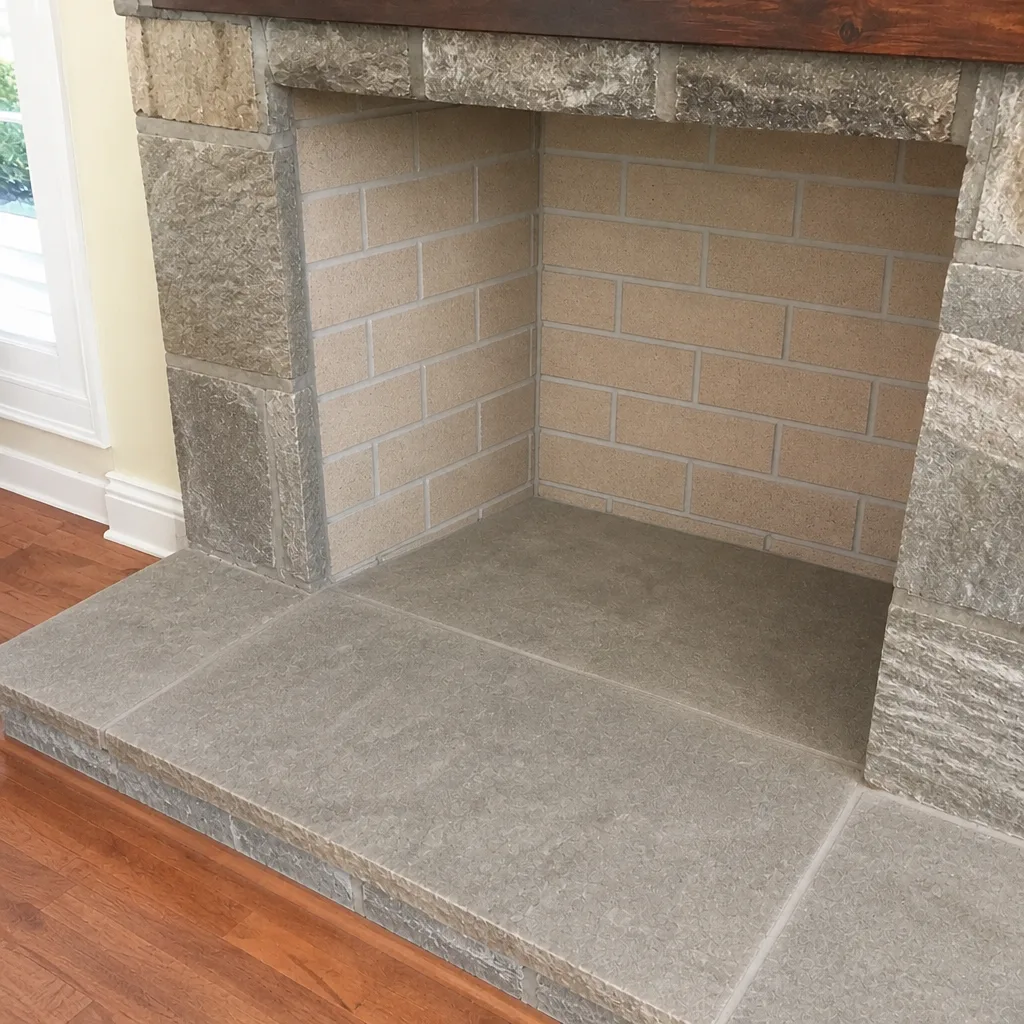
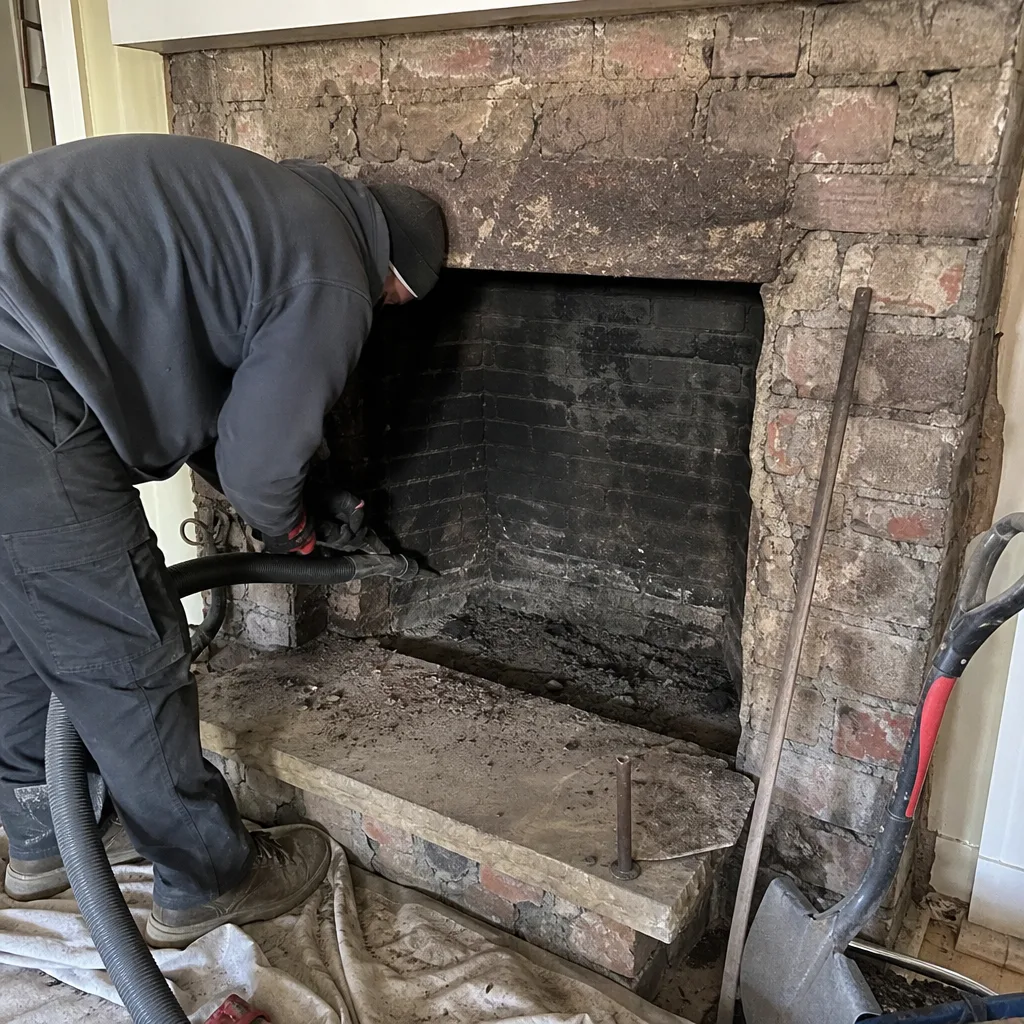
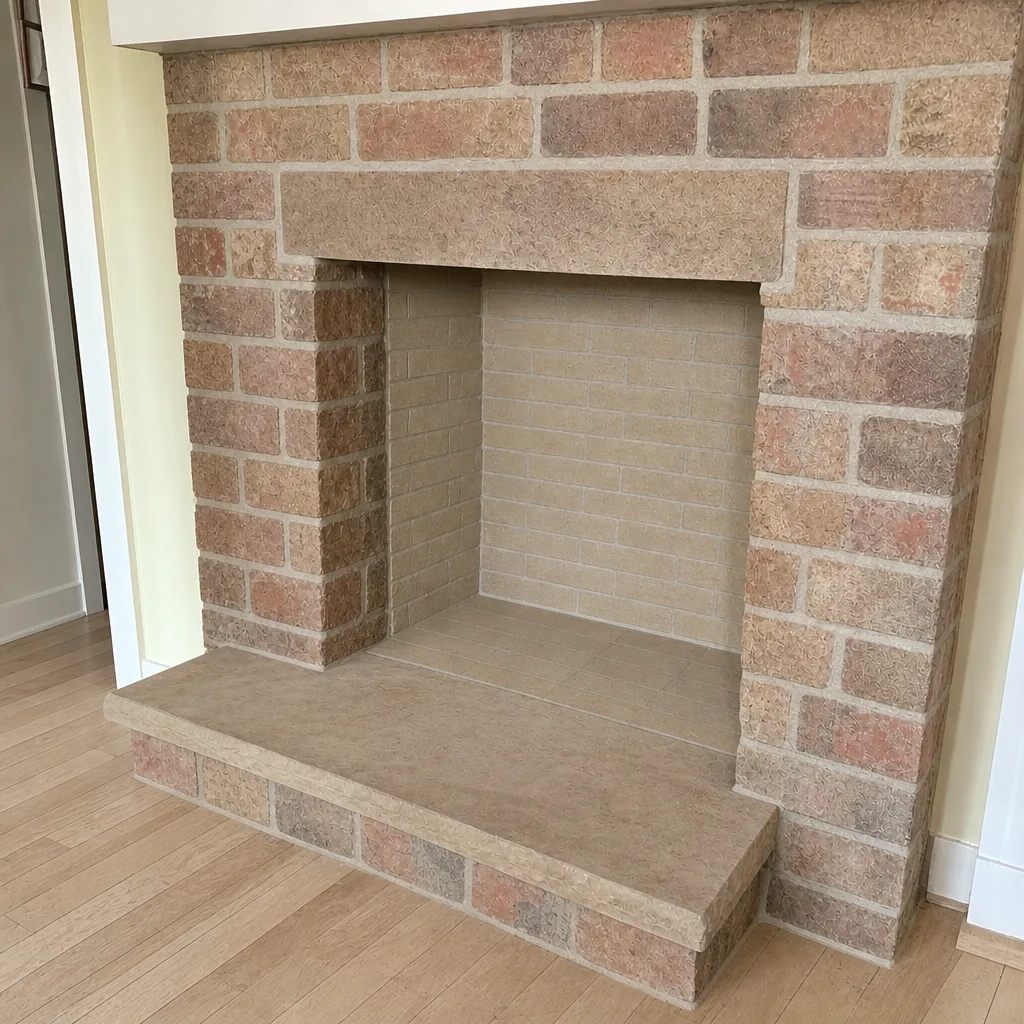
If the fire cracked a clay liner, we usually repair or restore it rather than rebuild from scratch. HeatShield ceramic resurfacing is the system we rely on for that repair: it relines a damaged flue from the inside with a cast-in ceramic layer, restoring a smooth, continuous surface without a full tear-out. When the flue shape or condition calls for a new liner, a DuraFlex flexible system is often the better fit for older Fishtown chimneys because it conforms to offsets that a rigid liner can’t pass. Either way, the inspection report tells us which one your flue actually needs. Our chimney repair page spells out the repair options.
Prevention: The Prep Work That Actually Works
Emergency preparedness in chimney work means doing the boring things on schedule, not keeping a fire extinguisher next to the firebox. Here’s the order that matters in a Fishtown rowhouse, from highest impact down.
- Get an annual sweep and inspection. For a wood-burning fireplace used regularly, once a year is the working standard. A sweep removes the creosote; the inspection finds the liner cracks before heat does.
- Get a camera check of the full flue. A brush sweep alone misses defects inside the liner. If you’ve never had a camera inspection, especially in an older rowhouse, start with one. The inspection photo becomes your baseline for every future comparison.
- Install a chimney cap. A cap keeps rain, birds, and debris out of the stack, and it’s the cheapest way to prevent the blockages that drive CO problems. We stock and install Famco and Gelco caps because they hold up to Philadelphia weather without a lot of fuss. Our chimney cap & crown page covers those options.
- Check the crown. The crown is the concrete or mortar cap at the top of the brick stack. A cracked crown lets water into the masonry, which freezes over the winter and spalls the brick. Water damage is a slow problem that turns into a structural one.
- Burn dry wood. Seasoned hardwood produces far less creosote than green or soft wood. This is the single behavior change that most affects how often your chimney needs sweeping.
- Test your CO detectors. Monthly, quick push of the test button. Replace units on the manufacturer’s schedule. If you have a gas appliance vented to your chimney, add a detector near the chimney wall on the floor above.
- Keep a sweep log. A simple record of every inspection, sweep, and repair, with dates and the inspector’s name and findings. It’s the difference between a smooth insurance claim and a contested one.
Most of this is preventative, but a few things need a professional’s eye. The crown, the cap, the liner inspection, and any repair to the masonry itself should be done by someone who works on chimneys, not a general handyman. We handle all of it, from sweep to rebuild, with professional-grade parts sourced through Copperfield. The next section covers when to make the call.
What Records to Keep for Insurance
If a chimney event ever happens, the paperwork is what gets your claim paid. Most homeowners find out after the fire that they can’t prove the chimney was in good condition before it happened. Here’s what to have on file, in the order your insurer will want it.
- Inspection reports. Keep every inspection report, including the annual ones. The most recent report before the fire is your proof that the chimney was maintained.
- Liner condition photos. Ask for photos from every camera inspection. Before-and-after photos of any repair are the strongest evidence that a defect existed and was fixed.
- Sweep and service records. Date, service performed, and who performed it. A simple logbook or a folder of paper copies is fine.
- Purchase and installation records for caps, liners, and fireplace inserts. Keep the brand and model of anything installed on the chimney. This helps an adjuster confirm the materials and their condition.
- Insurance policy details. Make sure your homeowner’s policy covers chimney fire and smoke damage. Check the policy before you need it, not after.
- Photographs of the chimney’s overall condition. A photo of the chimney exterior and the fireplace, taken annually, gives you a baseline.
We keep a copy of every inspection report and photo set for the chimneys we service, so if you ever need it, we can pull it. That’s one of the practical reasons to have the same company service your chimney year after year. When we recommend a repair, the recommendation comes with the camera evidence, so you can see the condition we’re describing.
Common Mistakes to Avoid
- Treating a rowhouse chimney like a detached-home chimney. The advice to “call a sweep when it’s dirty” misses the shared-flue and party-wall risk in Fishtown. Build a yearly inspection into your calendar as an HVAC-level routine.
- Opening the damper during a fire. This feeds oxygen to the fire and makes it worse. Close the fireplace doors and stay out of the firebox.
- Throwing water on a burning flue. Water can crack hot masonry or tile and turn a contained fire into a much bigger repair. It’s not a safe response.
- Relying on a brush sweep alone. A sweep without a camera inspection can miss a cracked liner, open joint, or smoke-chamber defect. The inspection is the part that finds the hazard.
- Putting a CO detector on the chimney masonry. Mount it a few feet away. Direct heat and soot can throw off the sensor.
- Hiring a general handyman for chimney work. For a cap, liner, or rebuild, use someone who works on chimney systems. HeatShield resurfacing, for example, requires specific product training, and a general handyman isn’t trained for it.
- Skipping the post-fire inspection to save money. A Level 3 after a fire is a documented requirement, and skipping it leaves you with an unusable fireplace, an uninsurable risk, and no claim evidence.
See the difference
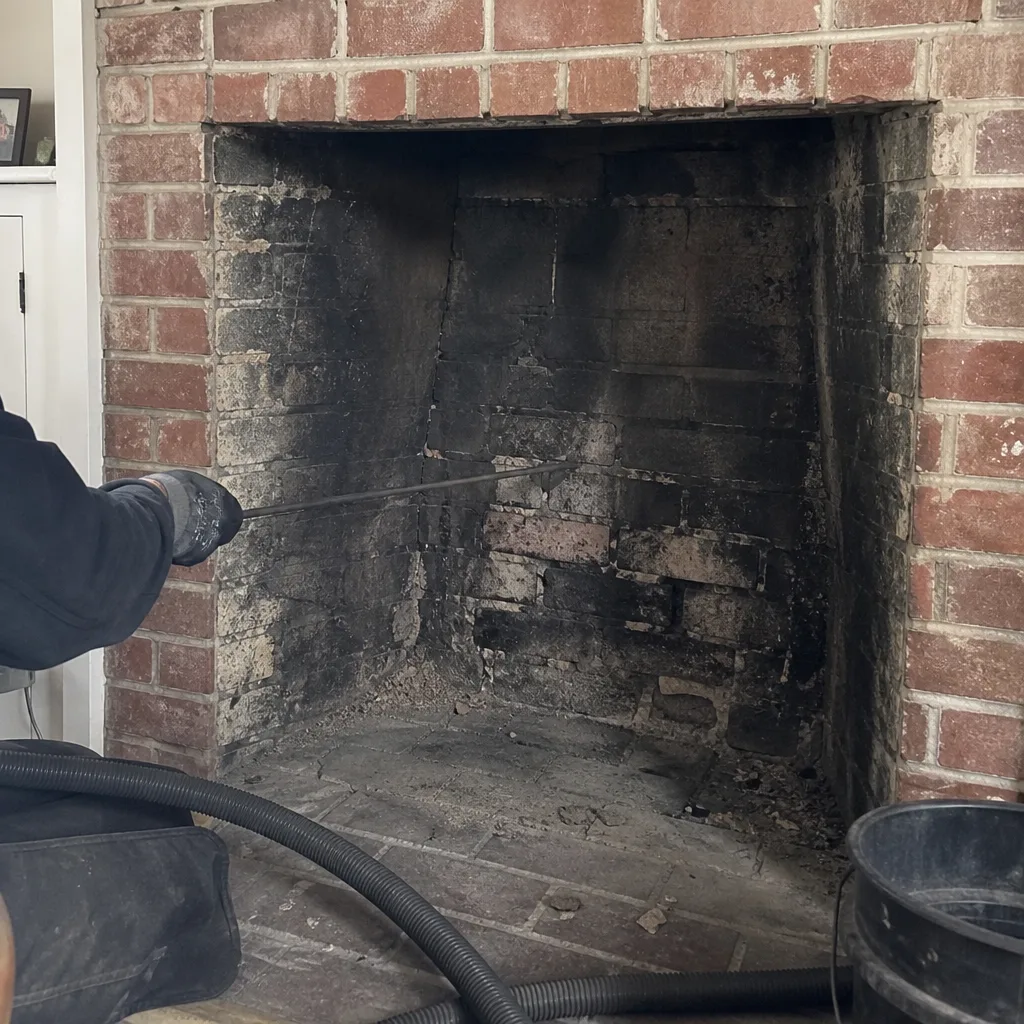 Before
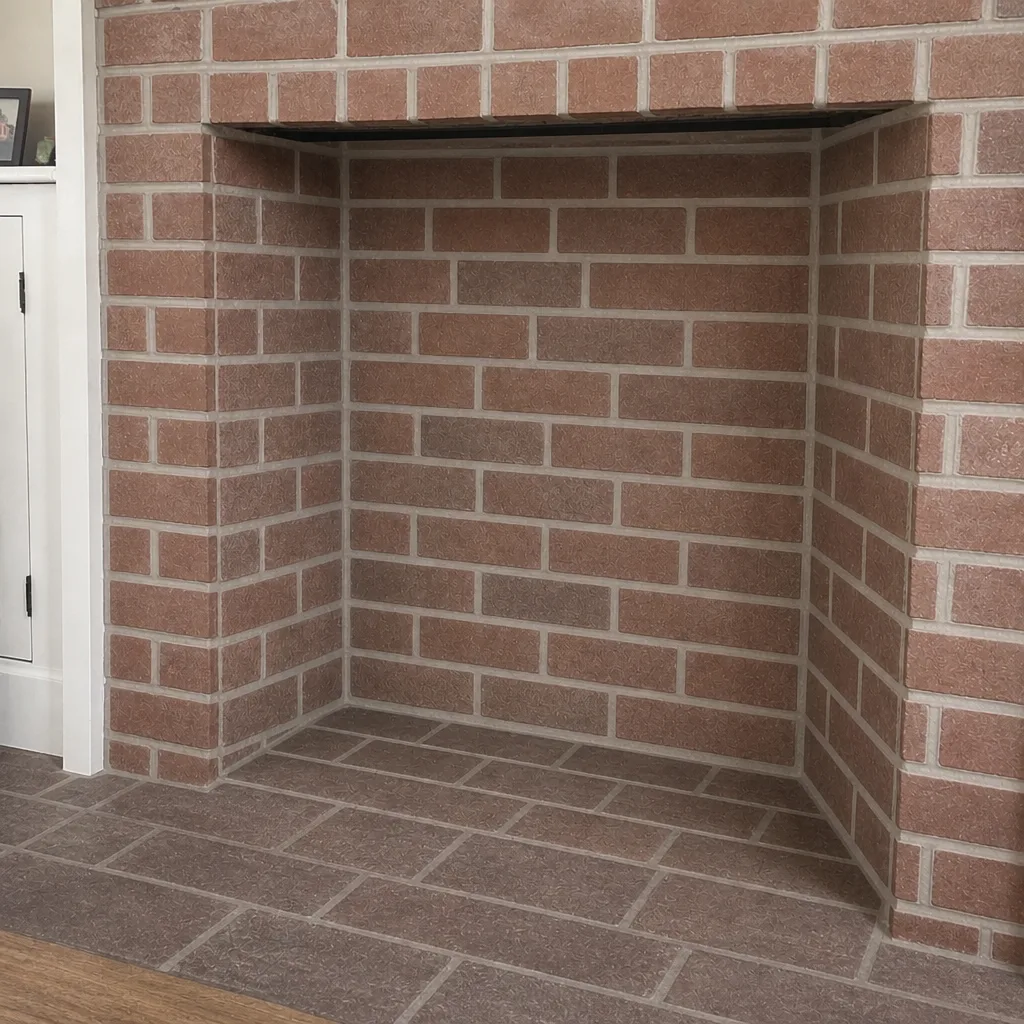 After
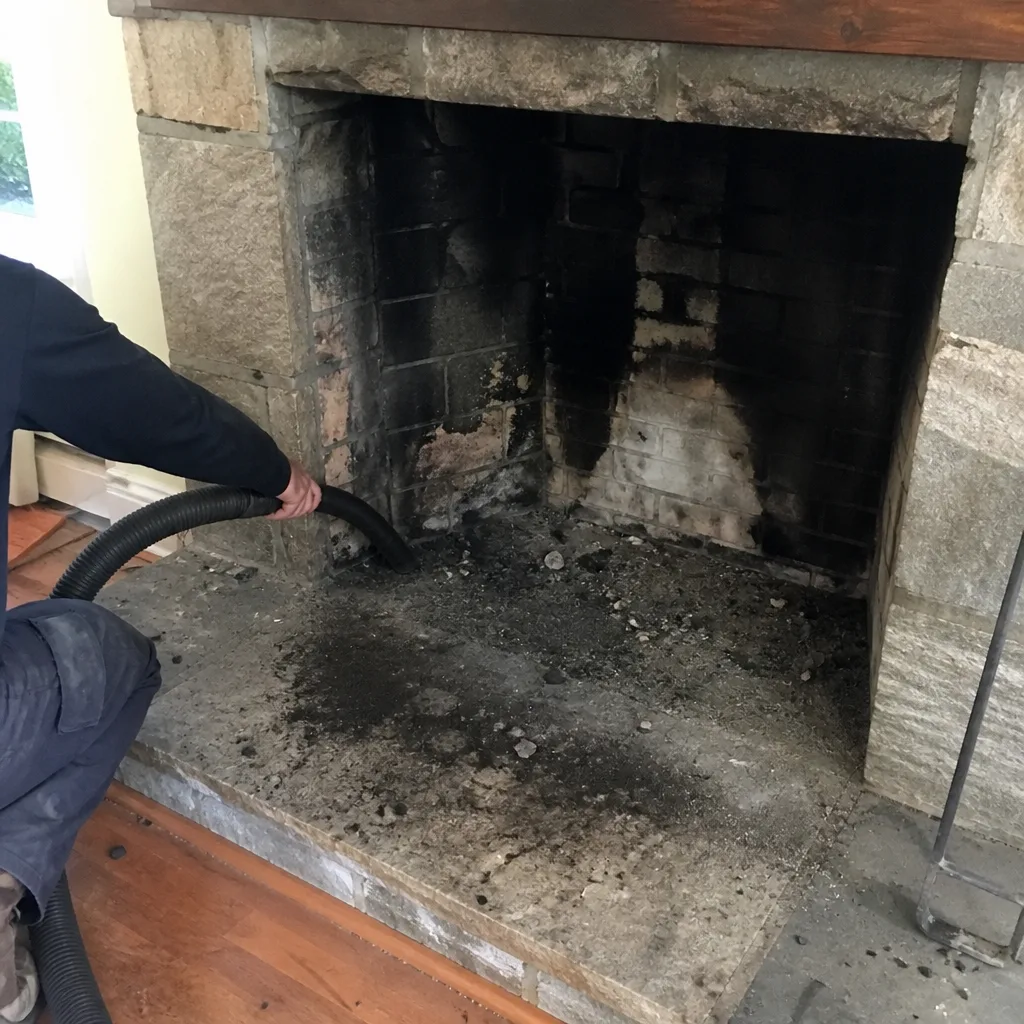 Before
 After
 Before
 After
When to Call a Professional
Call a chimney professional for anything involving the flue’s interior, the crown and cap, a rebuild, or fireplace repair. The right time to call is before the fire, not after. The specific situations in a Fishtown rowhouse: you’ve had a chimney fire or a smoke event; your CO detector has gone off and you can’t find another cause; you smell a hot or chemical smell around the fireplace or stack; the firebox is producing smoke into the room; you’ve just purchased an older home and don’t know the state of the liner; or your last sweep was more than a year ago. We offer free estimates in Fishtown. Call (833) 432-4886. We answer 24/7, and fast dispatch runs from 7am to 7pm, Sunday through Friday.
Frequently Asked Questions
Once a year for a wood-burning fireplace that gets regular use, with a camera inspection at the same time. In a rowhouse, the inspection matters as much as the sweep because the liner and party-wall condition are the real risks. If you burn a lot of wood, have a long or offset flue, or aren’t sure of the chimney’s history, start with an inspection and let the results set the schedule. Call (833) 432-4886 for an exact quote. Estimates are free.
The price is set per job by the written estimate, and the estimate itself is free. The cost depends on the level of inspection and on what the technician finds. A routine sweep with a camera check is a different job from a post-fire Level 3, which involves opening concealed areas. Schedule the estimate before the work; the written estimate sets the final price, not a phone quote.
Yes. That’s the reason party-wall chimney construction is a shared risk. A cracked liner inside a shared stack can carry heat into the party wall, and from there into adjacent framing. The most important protection is an annual inspection that finds the cracked liner before a fire does. Smoke from your chimney can also show above a neighbor’s chimney opening, which is why you should alert the household next door during a chimney fire.
No. An open damper feeds oxygen to the fire and speeds it up. Close the fireplace glass doors and stay out of the firebox. Get everyone out, call 911, alert your neighbors, and don’t throw water on the fire; that can crack the liner. The only safe suppression action is closing the fire off from air if you can do it without reaching into a hot firebox.
A Level 3 is the most thorough chimney inspection standard and is required after a chimney fire. It involves accessing concealed areas, a full video camera scan of the flue, and a written report with photos. In a shared Fishtown stack, the inspection should cover all flues serving the affected building, not just the one that caught fire. Don’t relight the fireplace until a Level 3 has cleared it.
One on every level, with at least one in or near any room that shares a wall with the chimney stack, and one in the hallway near upper-floor bedrooms. Mount the detectors a few feet from the masonry, not on it, and keep them clear of soot. If a gas appliance vents to your chimney, treat the chimney’s condition as part of the CO safety picture, and have it inspected professionally.
The Bottom Line
A chimney fire in a Fishtown rowhouse doesn’t respect property lines. The flue is inside a shared stack, and the party wall is the boundary the fire doesn’t care about. The best emergency plan is the inspection you schedule before the season, the camera evidence that tells you what your liner is actually doing, and the records you keep in case anything happens. When something does happen, call 911, get out, alert your neighbors, and don’t open the damper or reach for water. Then have the chimney inspected at the Level 3 standard before anyone lights another fire. Call (833) 432-4886. We answer 24/7. Fast dispatch from 7am to 7pm, Sunday through Friday. Our technicians have up to 13 years of experience, and we work with professional-grade brands, including HeatShield, DuraFlex, Famco, Gelco, Olympia Chimney, and Copperfield, so you can research exactly what goes into your chimney.
Contact
If you’re in Fishtown and want a straight answer about the state of your flue, call (833) 432-4886 for a free estimate. We’ll do a camera inspection and show you what we see before recommending anything. Nothing gets repaired without evidence you can look at yourself, and we’ll tell you plainly when work can safely wait.
Written by the team at Chimney Sweep Fishtown.