
Last updated November 22, 2026
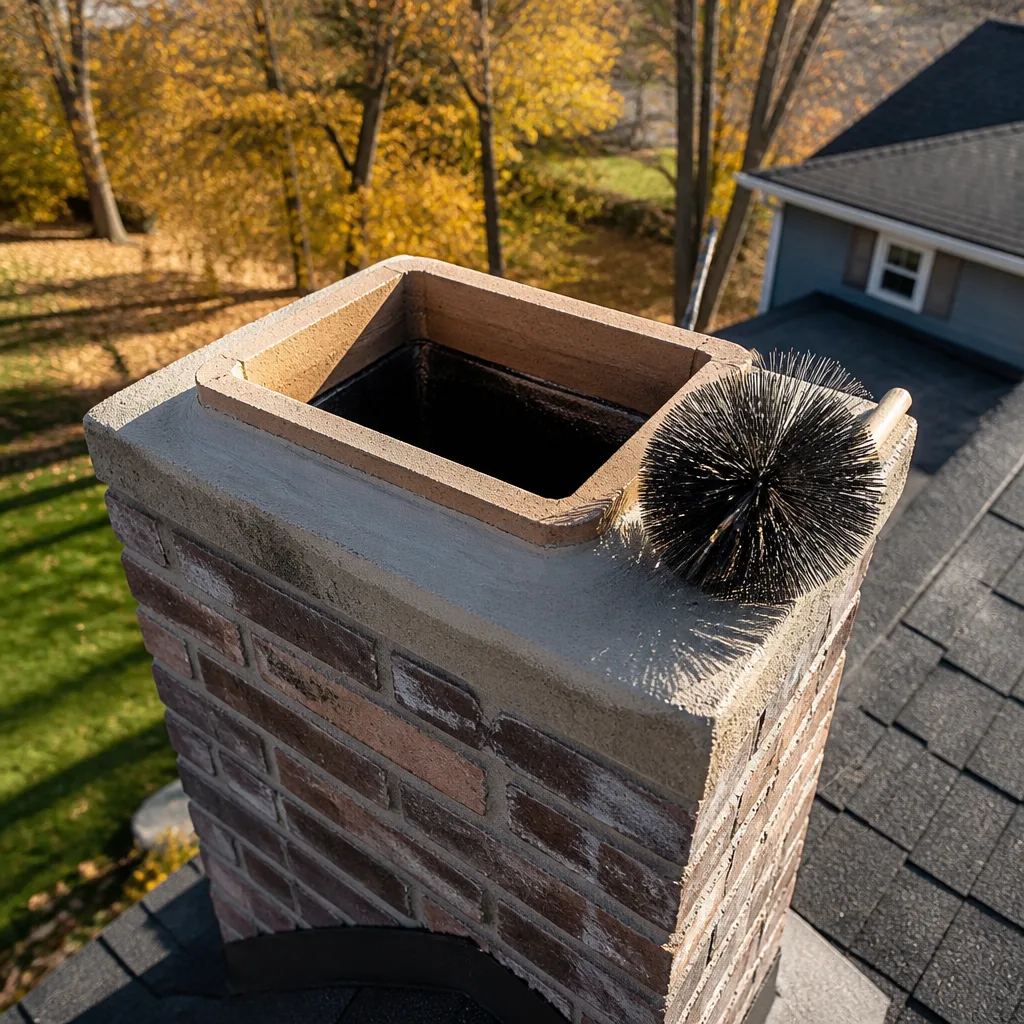 Sweep & inspection
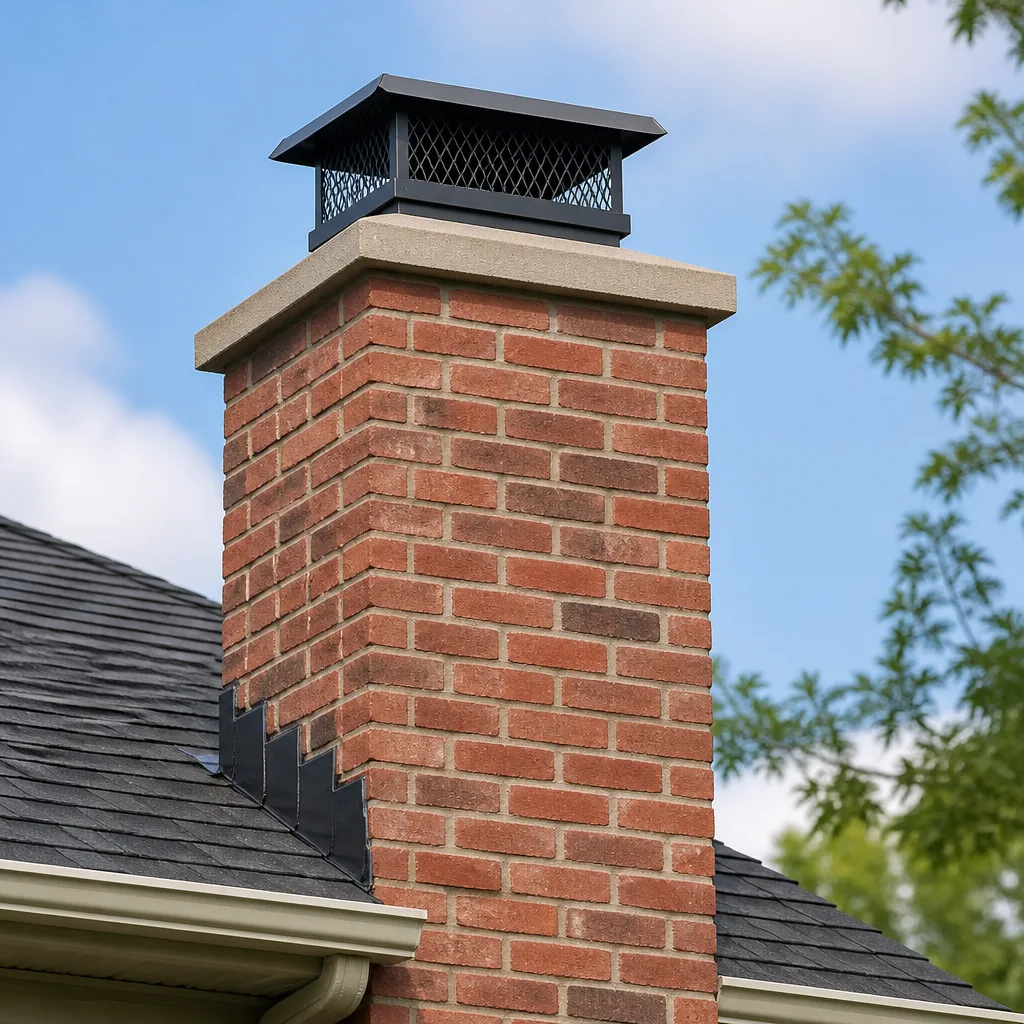 Caps & crowns
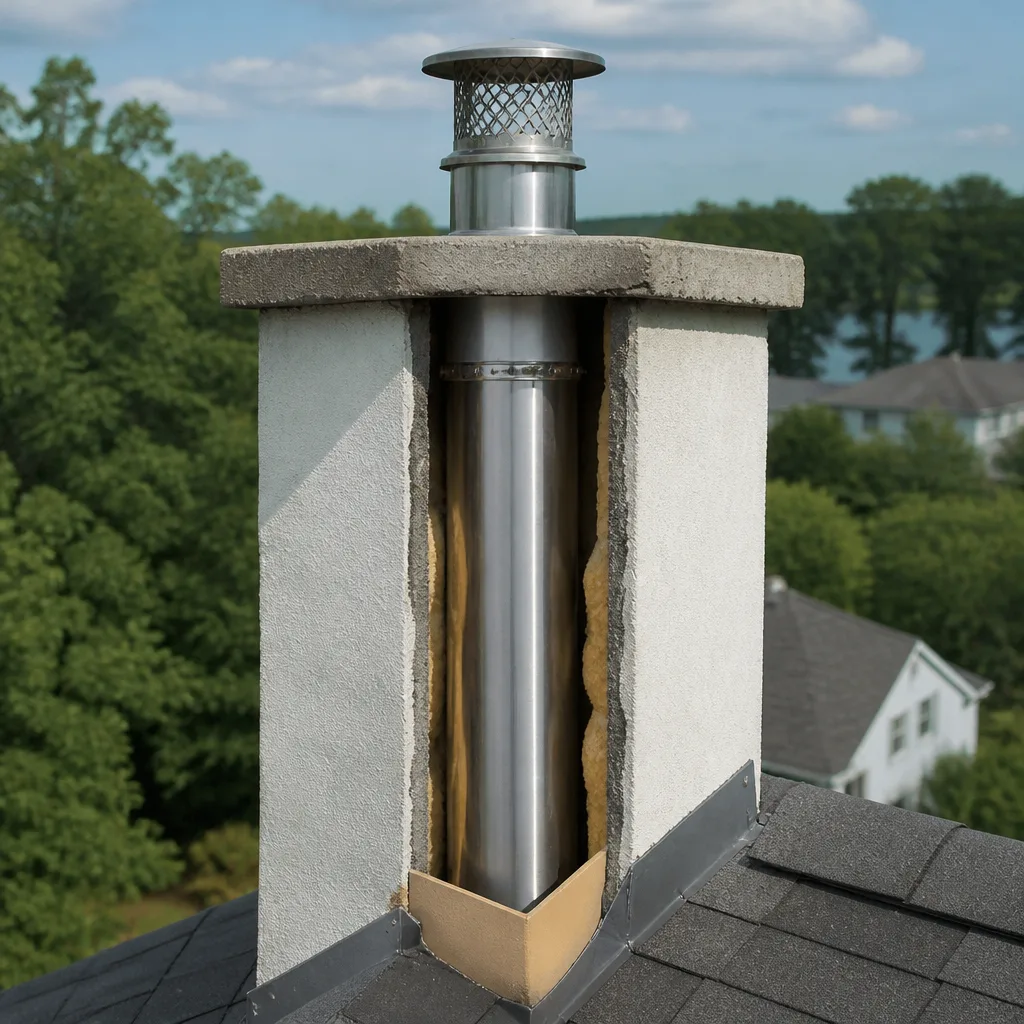 Flue relining
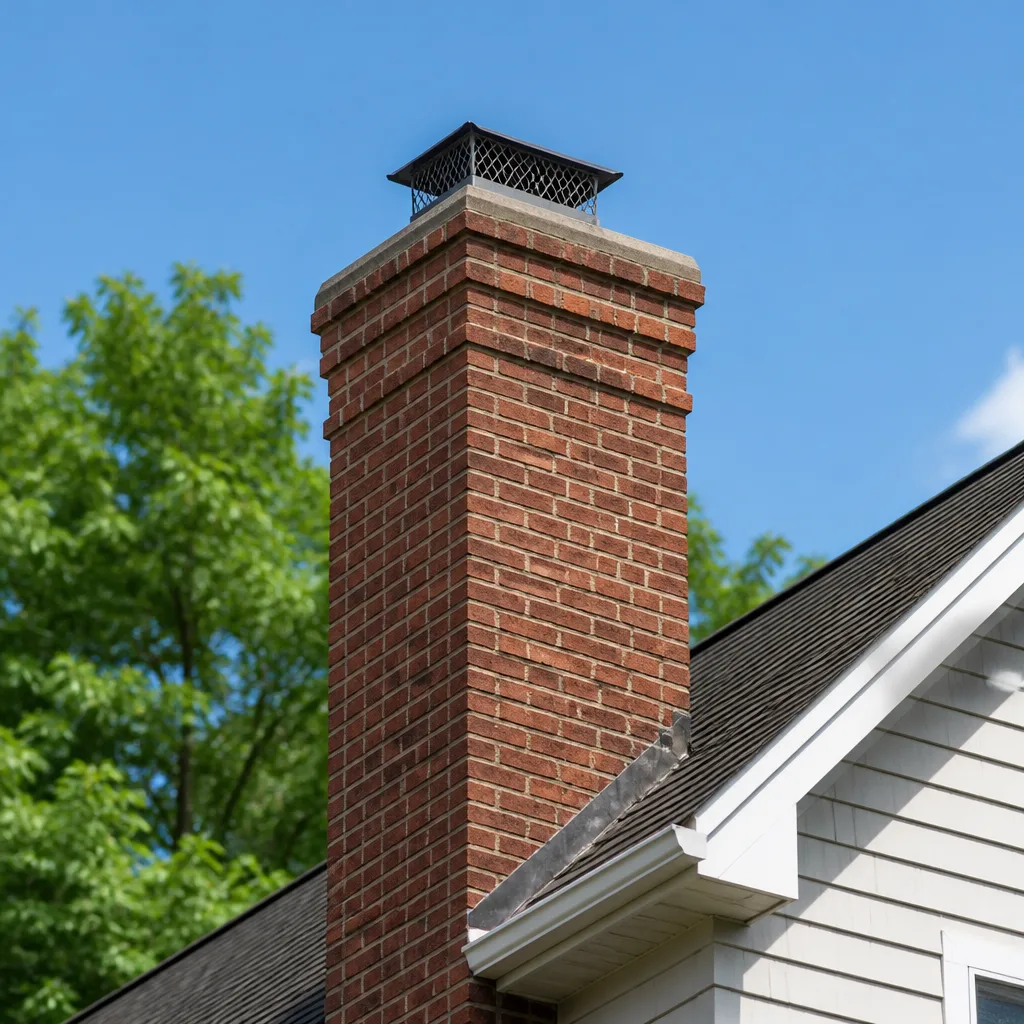 Masonry repair
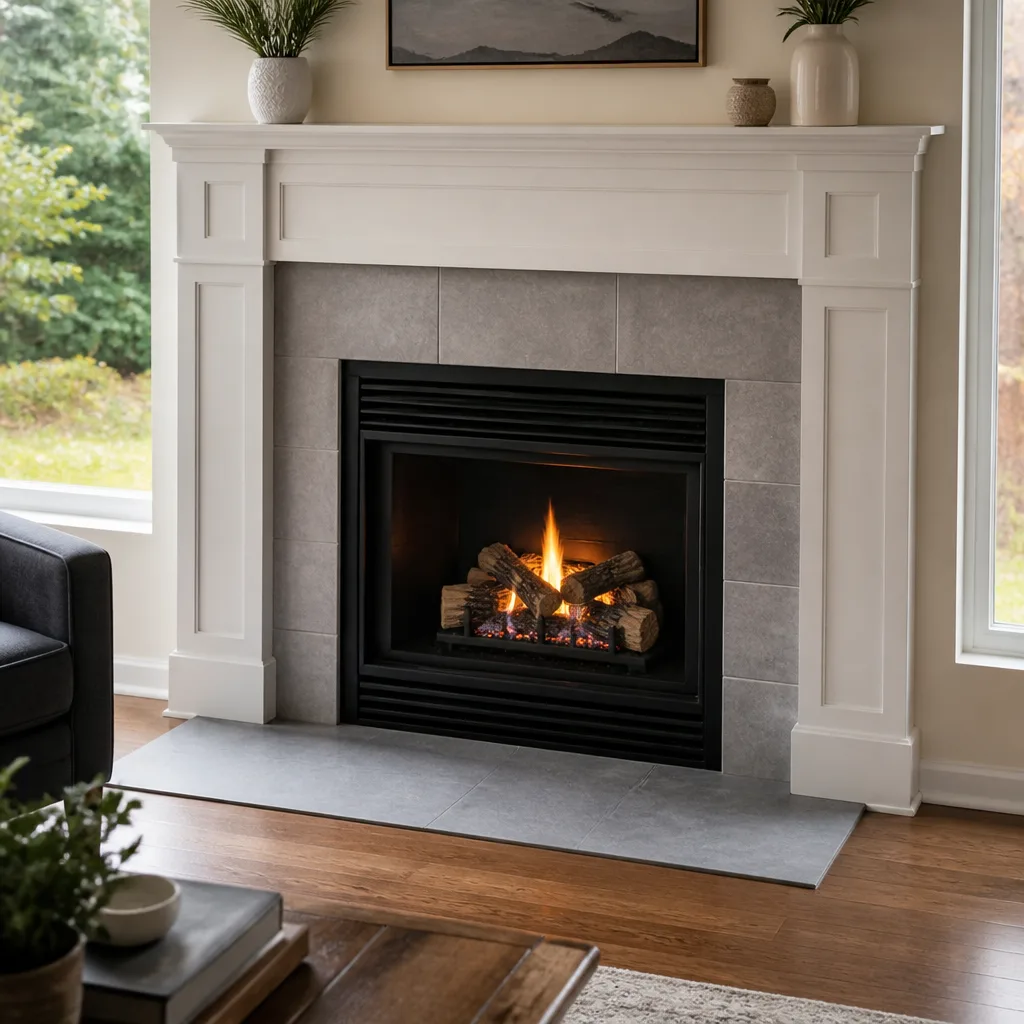 Gas fireplace service
Level 1 sweep and inspection to the NFPA 211 annual standard - flue, crown, cap, and flashing checked and photographed
Chimney sweep logs do not sweep chimneys. They loosen some creosote - which then falls where a brush and vacuum still have to collect it.
Chimney Cleaning Warning Signs: A Fishtown Homeowner’s Reference Guide
A smoky smell in July, months after the last fire, is almost never a creosote problem. It usually points to a draft reversal or moisture working its way into the flue, and sweeping it won’t fix either one. That’s the trap with chimney warning signs: the things you notice from the living room are symptoms, and the cause sits somewhere else in the system. This guide connects what you see, smell, and hear to what’s probably happening inside the chimney, so you can describe the problem accurately and avoid paying for the wrong repair. We’ve written it for Fishtown homeowners who burn wood regularly and want to understand their own chimney before anyone quotes work on it.
Quick Answer
Chimney warning signs fall into four groups: odors, smoke behavior, visible staining, and sounds. Each one points to a different likely cause – creosote buildup, draft problems, water intrusion, cracked masonry, or animals in the flue – and matching the symptom to the right cause is what determines whether you need a simple sweep or a repair. If you notice any of them, a professional inspection is the fastest way to know what you’re actually dealing with.
Styles & brands we work with
- Sweep & inspection
- Caps & crowns
- Flue relining
- Masonry repair
- Gas fireplace service
Table of Contents
- What Do Chimney Odors Tell You by Season?
- What Does Smoke Behavior During a Fire Reveal?
- What Do Stains on Brick, Walls, and the Crown Mean?
- What Do Popping, Cracking, and Scratching Sounds Indicate?
- What Should You Photograph Before Calling?
- Why Creosote Is the Sign You Can’t See
- Common Mistakes to Avoid
- When to Call a Professional
What Do Chimney Odors Tell You by Season?
Chimney odors are the most misread warning sign, because the same smell can come from three different causes depending on the season and the appliance. Before you book a sweep, note when the smell appears and what it resembles – that timing narrows the cause faster than anything a technician can see on arrival.
Summer mustiness is the classic warm-weather complaint in Fishtown’s rowhouses. A damp, basement-like smell coming from the fireplace in July or August usually means moisture is getting into the flue or the chimney is drawing humid outside air down the stack. The fireplace has been idle for months, so there’s no fire to push air up and out. A cap that’s missing, damaged, or the wrong style lets rain in, and the masonry soaks it up. This is a water problem first and a creosote problem second, if at all.
An acrid, sharp smoke smell – the kind that lingers in the room long after the fire is out – usually means creosote has built up on the flue walls and is off-gassing. It gets worse in humid weather. That odor is a signal to get the flue looked at before the next burn season, not a reason to light an air freshener and move on.
A sulfur or rotten-egg smell near the fireplace is different. If you have a gas appliance or gas log set connected to that chimney, that odor can indicate a gas issue, and gas is not something to investigate yourself. Leave the area, ventilate if you can do it safely, and call your gas utility. Do not test it, do not relight anything, and do not treat it as a chimney cleaning matter.
Our technicians have up to 13 years of experience, and the first question we ask about an odor complaint is always: what season, and what does it smell like? Getting those two facts right saves a wasted visit.
What Does Smoke Behavior During a Fire Reveal?
How smoke behaves when you light a fire tells you more about your chimney’s structure than any other single sign. There are three patterns worth learning, because each one points to a different part of the system.
Smoke spillback
Spillback is when smoke rolls out of the firebox into the room instead of going up. It usually happens at startup and can clear once the flue warms, but persistent spillback points to a flue that’s too small for the fireplace opening, a blocked or partially blocked flue, or a chimney that’s too short to establish proper draft. In Fishtown’s older rowhouses, a flue that was sized for a coal fire a century ago often doesn’t match the firebox a previous owner enlarged.
Delayed draft
If it takes ten or fifteen minutes of smoking before the chimney finally starts pulling, the flue is slow to warm. Sometimes that’s just cold weather and a cold stack. Sometimes it’s a sign the flue is oversized for the appliance, so the smoke cools before it can rise. A properly sized liner – which is where a chimney liner installation comes in – solves an oversized flue that no amount of sweeping will fix.
Intermittent smoking
Smoke that appears only on certain days, or only on one side of the firebox, often tracks to wind. A chimney cap that’s the wrong style, a nearby roofline, or a negative-pressure problem inside the house can all cause it. If your fireplace smokes only when the kitchen exhaust fan runs or the furnace kicks on, you’re seeing a house-pressure issue, not a chimney issue – and a sweep won’t change it. A properly specified cap, like the Gelco and Famco covers we install, is sometimes part of the answer.
Write down which pattern you’re seeing and when. That note is more useful to a technician than a vague “it smokes sometimes.”
What Do Stains on Brick, Walls, and the Crown Mean?
Staining is where a chimney starts telling on itself, and the location of the stain matters as much as the color. Here’s how to read the three you’re most likely to spot on a Fishtown home.
- White, powdery staining on brick (efflorescence). That chalky white bloom is salt pushed to the surface as moisture moves through the masonry and evaporates. It means water is getting into the brick and mortar, often through a failed crown, missing cap, or cracked flashing. Left alone, repeated wet-and-dry cycles spall the brick face and open up mortar joints.
- Brown water stains on interior walls near the flue. These usually show up on a second-floor ceiling or a wall alongside the chimney chase. Rust-colored or tea-colored rings mean water is tracking down the outside of the flue and finding its way indoors. The source is often at the top – a damaged crown, a leaking cap, or failed flashing where the chimney meets the roof – not where the stain appears.
- Black streaking on the crown or cap. Dark vertical streaks near the top of the chimney are usually soot or creosote carried in smoke and condensate that’s settling where the flue exits. Heavy streaking around the cap can mean the cap is undersized or the flue isn’t drafting cleanly.
Any of these is a reason to have the top of the chimney examined, not just the firebox. Our chimney cap & crown work exists precisely because the top of a chimney takes the worst of the weather and is the most common place water gets in.
What Do Popping, Cracking, and Scratching Sounds Indicate?
Chimneys make noise, and not all of it is a problem. The trick is separating the sounds of a working chimney from the sounds of a failing one – or an occupied one.
Popping and cracking during a burn
Some popping is normal: wood expands, moisture in the wood escapes, and the fire itself crackles. What isn’t normal is a sharp cracking sound that comes from the chimney structure rather than the firebox, especially a tick or pop that happens as the chimney heats up or cools down. That pattern points to thermal stress – masonry or a flue tile moving as it expands and contracts. A cracked flue tile is serious, because it lets heat and gases reach the framing, so a sound like that deserves a professional look before the next fire.
Scratching, flapping, or chirping when there’s no fire
These are animal signs. Squirrels, birds, and raccoons get into flues through a missing or damaged cap, and the sounds usually appear in the off-season when the chimney is otherwise quiet. A flapping or scratching sound, droppings in the firebox, or nesting material at the damper all point to an animal access problem that starts at the top of the chimney. You’ll want the animal removed and the cap repaired or replaced – which is one reason a proper cap matters beyond keeping rain out.
Whistling or a low howl
A whistle or hum on a windy day is usually airflow across the flue opening, often a sign the cap or the flue arrangement is creating turbulence. It’s rarely dangerous by itself, but it’s worth mentioning during an inspection.
What Should You Photograph Before Calling?
The single most useful thing you can do before calling a chimney professional is document what you’re seeing. A handful of photos lets a technician make a faster, more accurate diagnosis, and it protects you from a guess-based quote. Here’s a short list to work from.
- The firebox and damper. Shoot straight into the firebox with the damper open, and include one close-up of the damper itself. Creosote buildup, cracked firebrick, and a sticking damper all show up here.
- The top of the chimney. From outside, photograph the cap, the crown, and as much of the flue opening as you can safely see from the ground with a zoom lens. Don’t climb onto the roof to get it. A camera zoom is enough.
- Any staining, close and far. Take one wide shot that shows where the stain sits in the room, and one close-up. The wide shot helps identify the source.
- The smoke itself, if you can. A short video of a smoking fire – startup, work it up, first fifteen minutes – tells a technician more about draft than a description can.
- The roofline where the chimney meets it. Flashing and step flashing failure is a common water source, and a photo from the ground with a zoom captures the joint.
- A written note of timing. Season, weather, wind direction, and whether the kitchen or bath fan was running. This is the context that ties the symptom to the cause.
Bring those photos and notes to the call, and describe the symptom in your own words. Nobody should recommend a repair before they’ve looked at the chimney – so the same standard applies to us. Nothing gets recommended in a Fishtown home we work on without evidence you can see for yourself. When work can safely wait until spring, we say so.
Why Creosote Is the Sign You Can’t See
The warning signs you can observe from inside the house are helpful, but the most consequential one is invisible from the living room. Creosote builds up on the inside of the flue with every fire, and you can’t see it, smell it reliably, or judge its depth by looking up the chimney with a flashlight. That’s the whole reason annual inspection exists.
Creosote forms in stages, from a light soot you can brush away to a hardened, glazed layer that has to be removed with more than a brush. The glazed stage is the one that matters for safety, because it’s the fuel for a chimney fire. A chimney fire can burn hot enough to crack flue tiles and reach the framing around the chimney – and a slow, smoldering chimney fire can go unnoticed from inside the house. That’s not a scare tactic; it’s the reason codes and manufacturers call for regular inspection and cleaning. If you burn wood regularly, an annual sweep is the baseline, and it’s the only reliable way to know what’s on your flue walls.
This is where our chimney sweep service does its most valuable work: a proper sweep with a camera inspection shows you exactly what’s in the flue. Where the flue lining itself is damaged or deteriorating, resurfacing with HeatShield – the ceramic restoration system we’re trained to apply – can restore it without a full reline in the right conditions. Where a full liner is needed, we use DuraFlex flexible liner systems, which are built for older flues where a rigid liner won’t fit. And where the chimney needs more than a liner, our chimney repair work covers the structural side, up to a full rebuild. From sweep to rebuild, the same crew can finish the job.
Common Mistakes to Avoid
- Treating every odor as creosote. A summer musty smell is usually moisture or a draft reversal, and sweeping won’t fix either. Match the smell to the season before you book.
- Burning a hot fire to “clean” the flue. A hot fire can ignite glazed creosote. It doesn’t clean the chimney; it can start a chimney fire. Don’t do it.
- Climbing onto the roof to inspect it yourself. Fishtown’s rowhouses put chimneys on steep, slick roofs, and roof falls are serious. Photograph from the ground and let a trained technician handle the top.
- Ignoring a single brown water stain until it spreads. Interior water stains point to a leak at the top of the chimney, and the longer it goes, the more masonry it damages. Get it looked at early.
- Letting a hardware-store cap stand in for a proper one. The wrong cap can restrict draft or fail in a season. We install professional-grade Gelco and Famco covers, and we match the cap to the flue.
- Assuming a smoky fireplace is a cleaning problem. Spillback and delayed draft are usually about flue sizing or house pressure, not soot. A sweep won’t change how the chimney drafts.
- Hiring a generalist for a specialized job. A handyman who does chimney work on the side usually can’t apply a proprietary system like HeatShield or specify a DuraFlex liner correctly. Specialized work needs a specialist.
When to Call a Professional
Some signs are worth watching for a season. Others are reasons to stop burning until someone trained has looked at the chimney. Call a professional if you notice any of these: smoke spilling into the room and not clearing, a sulfur or gas smell anywhere near the fireplace, cracking sounds that seem to come from the chimney structure, a brown water stain spreading on an interior wall, or a flue you can’t confirm has been cleaned and inspected in the last year. If the chimney hasn’t been swept since you bought the house, an inspection before the first fire is the prudent move.
Chimney Sweep Fishtown offers free estimates in Fishtown – call (833) 432-4886. We answer 24/7, and fast dispatch runs from 7am to 7pm, Sunday through Friday. We work with professional-grade brands you can research yourself – HeatShield, DuraFlex, Gelco, Famco, Olympia Chimney, and Copperfield-sourced components – so you know what’s going into your chimney.
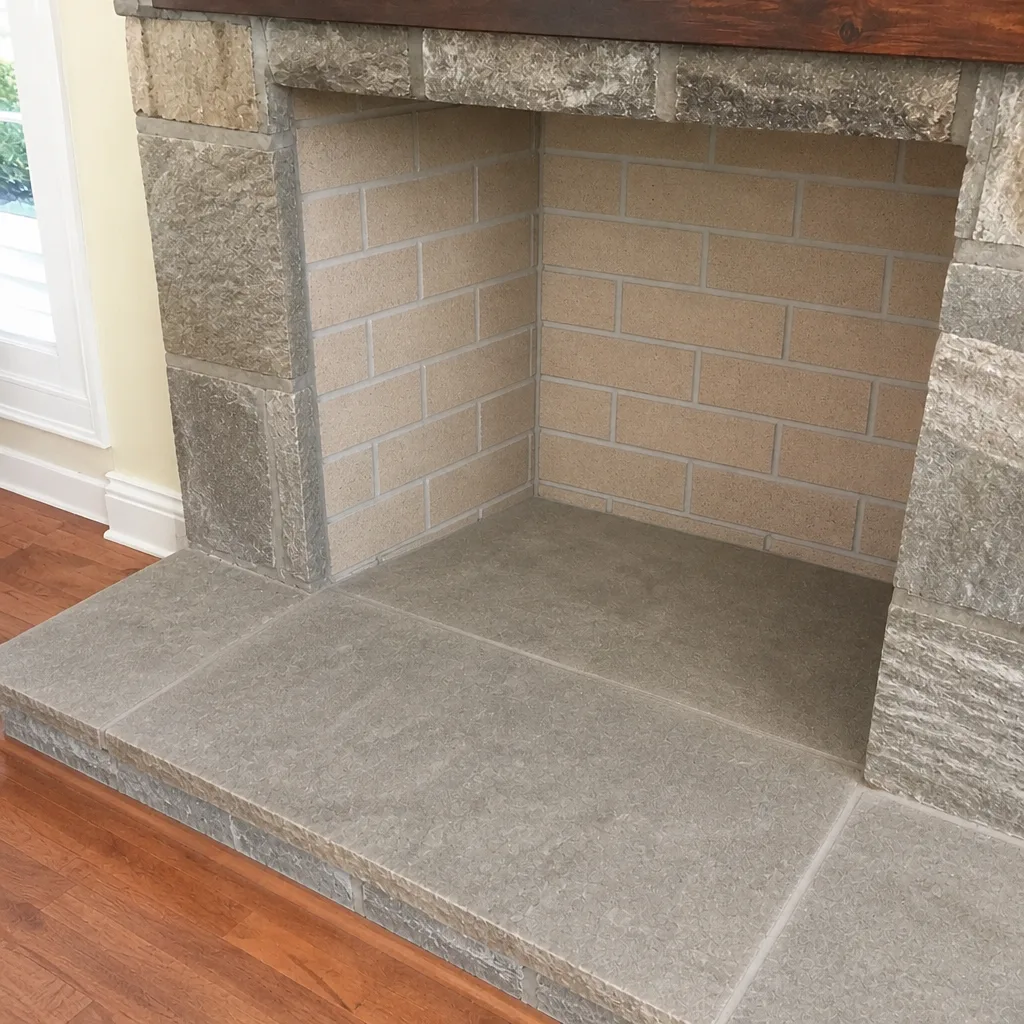
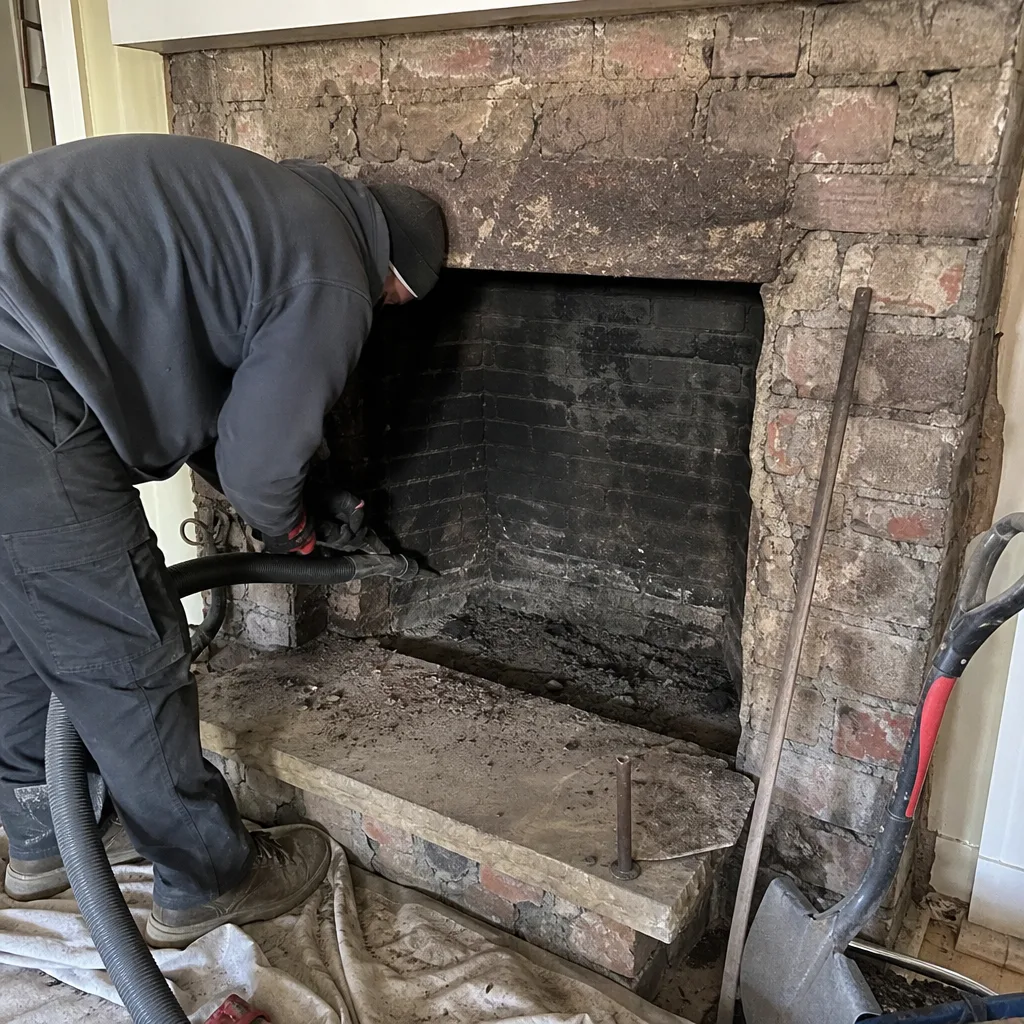
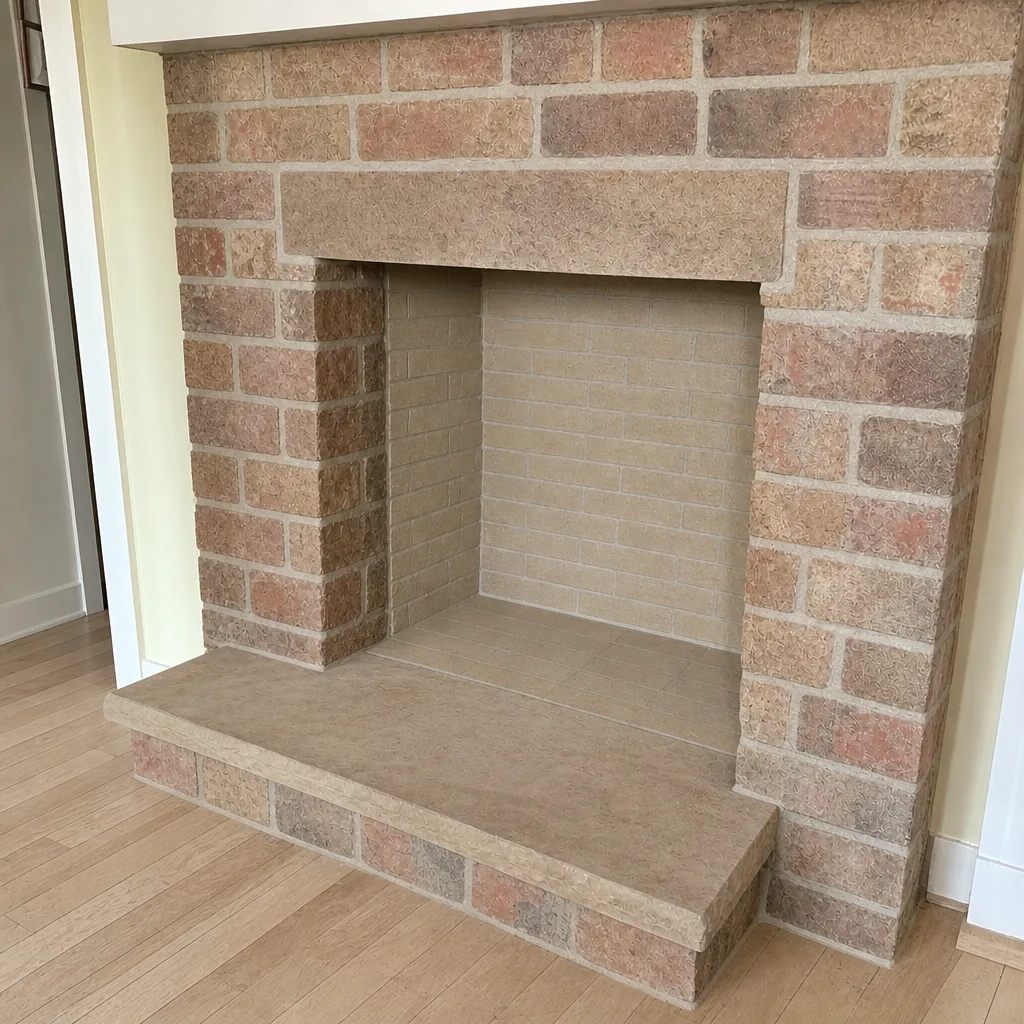
See the difference
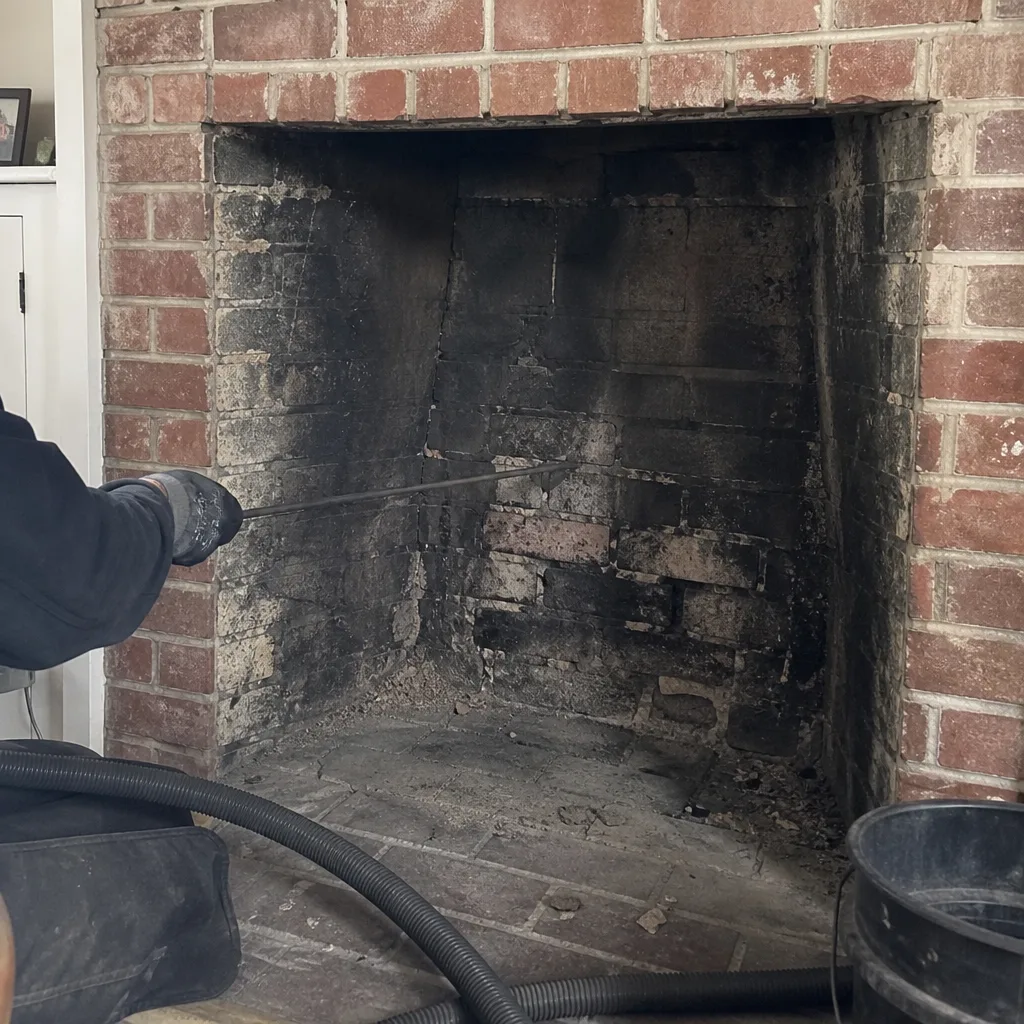 Before
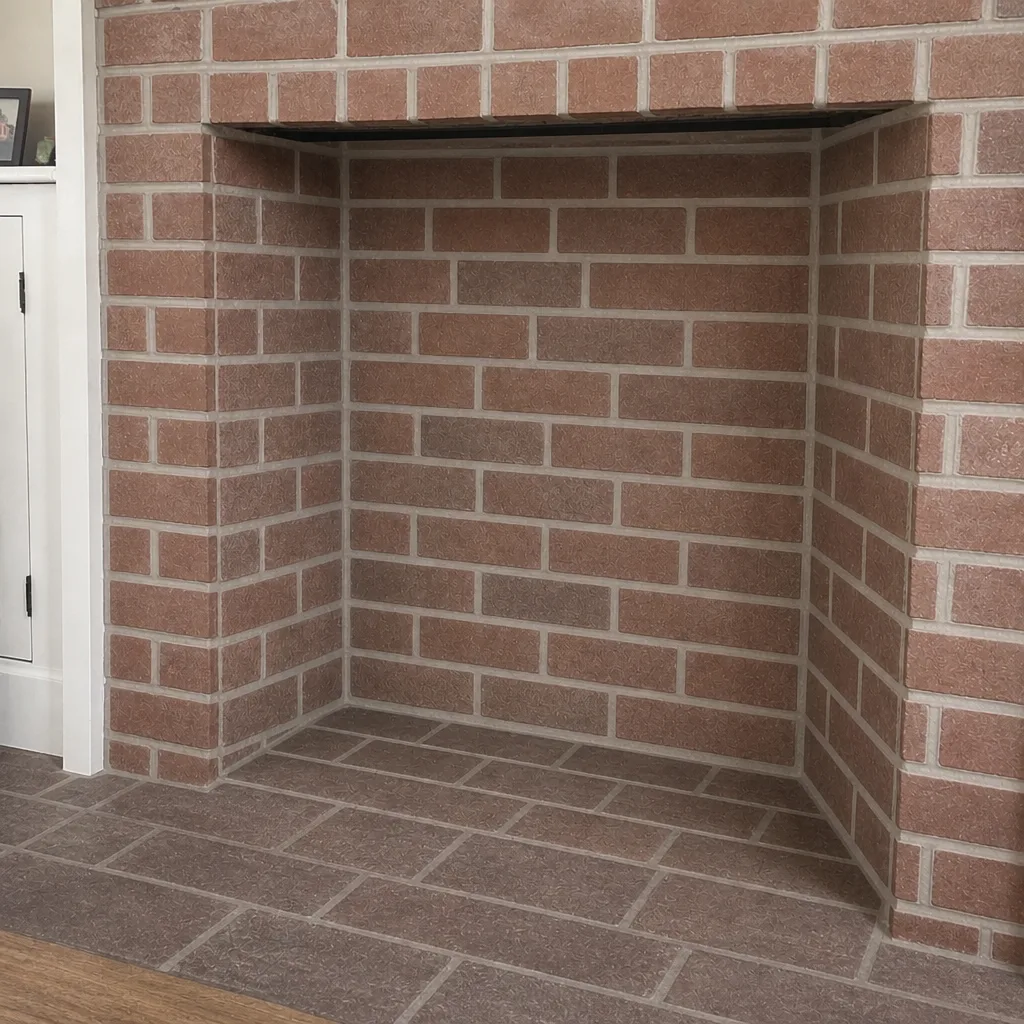 After
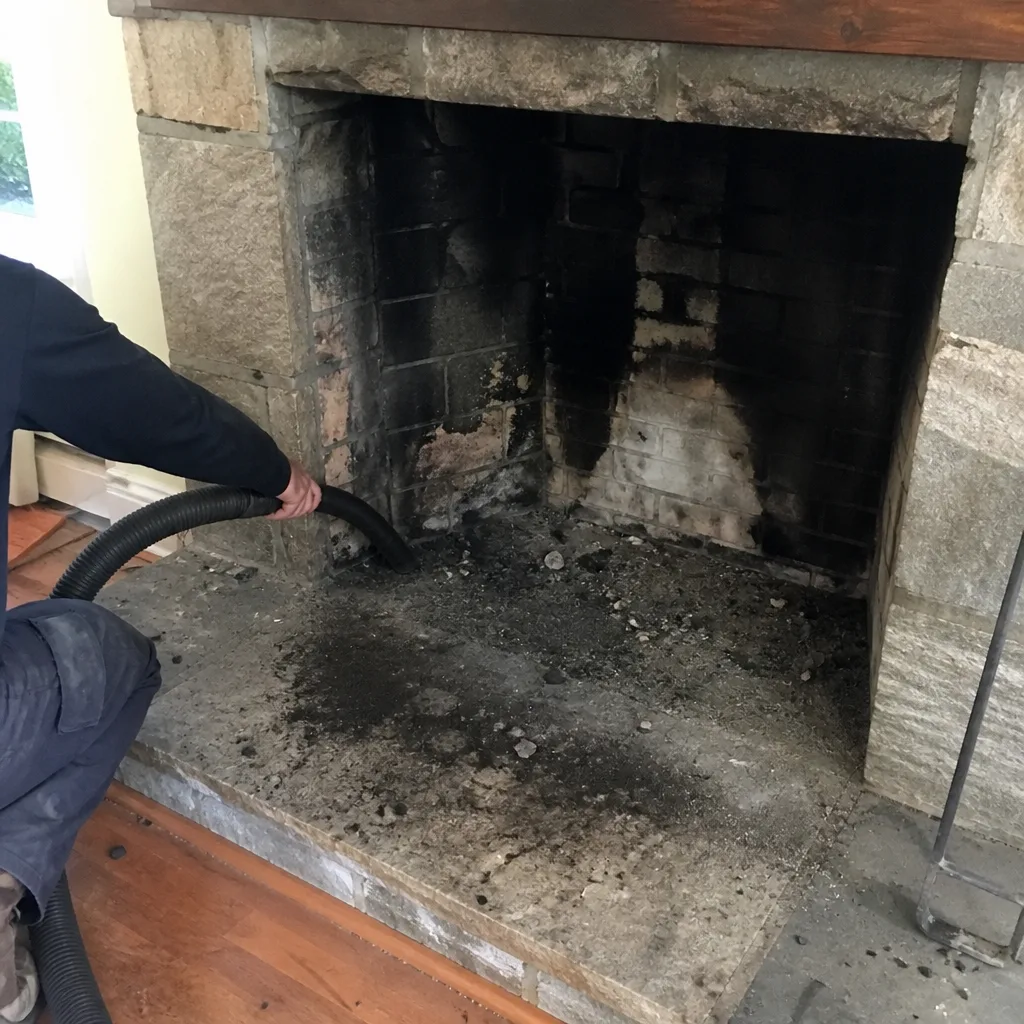 Before
 After
 Before
 After
Frequently Asked Questions
Odor is the most common, followed by smoke behavior and roof-level staining. Summer mustiness and a sharp smoke smell are the two odor patterns we hear about most from Fishtown homeowners, and both point to causes worth a professional look. Staining on the crown and cap is common too, because the top of the chimney takes the worst of the weather. Call (833) 432-4886 for an exact assessment – estimates are free.
Not necessarily. A smoky or musty smell in summer is often a draft reversal or moisture problem, and a sweep won’t fix either one. The better first step is to note the season, the weather, and whether the smell gets worse on humid or rainy days, then have the chimney inspected. Call (833) 432-4886 and we’ll help you sort out which cause is likely before you book.
A DIY sweep is possible in theory but rarely done safely or completely, and it can’t diagnose a damaged flue tile or a cracked crown. The safety stakes are high – flue tiles, framing, and draft are things a trained eye catches and a brush doesn’t. A professional sweep with camera inspection is the more reliable path. Call (833) 432-4886 to book one.
Once a year if you burn wood regularly. That’s the baseline most manufacturers and codes call for, and it applies whether or not you’ve noticed a warning sign. If you’ve just bought a Fishtown rowhouse and don’t know the chimney’s history, get an inspection before the first fire. Call (833) 432-4886 to get one on the books.
Leave the area and call your gas utility. A sulfur or rotten-egg smell near a gas appliance or gas log set is not a chimney cleaning issue and shouldn’t be tested or investigated by a homeowner. Do not relight anything. Once the gas utility has addressed the gas side, we can inspect the chimney itself – call (833) 432-4886 if you need that follow-up.
Scratching or flapping in an idle chimney usually means an animal has gotten into the flue through a missing or damaged cap. You’ll want it removed and the cap repaired, and the flue cleaned afterward. A proper cap like the Gelco and Famco covers we install prevents a repeat. Call (833) 432-4886 to get it sorted.
Yes. Nothing gets recommended that isn’t backed by camera evidence you can see for yourself, and we say plainly when work can safely wait until a better season. The written estimate sets the final price, and there’s no pressure to do work the evidence doesn’t support. Call (833) 432-4886 for a free estimate in Fishtown.
The Bottom Line
The warning signs you can see and smell are symptoms, and the cause usually sits elsewhere in the system – in the flue, the crown, the cap, or the house pressure. That’s the practical value of this guide: connect the sign to the cause before you pay for a fix. Summer mustiness points to moisture, an acrid smoke smell to creosote, brown interior stains to a roof-level leak, cracking sounds to structural stress, and scratching to an animal. Document what you notice, and get a professional inspection that puts a camera in the flue so you can see the evidence yourself. For a free estimate in Fishtown, call (833) 432-4886. We answer 24/7, fast dispatch runs from 7am to 7pm, Sunday through Friday, and our technicians have up to 13 years of experience with the whole chimney – from the Chimney Sweep Fishtown team, one call covers the whole chimney.
Written by the team at Chimney Sweep Fishtown.