
Last updated November 22, 2026
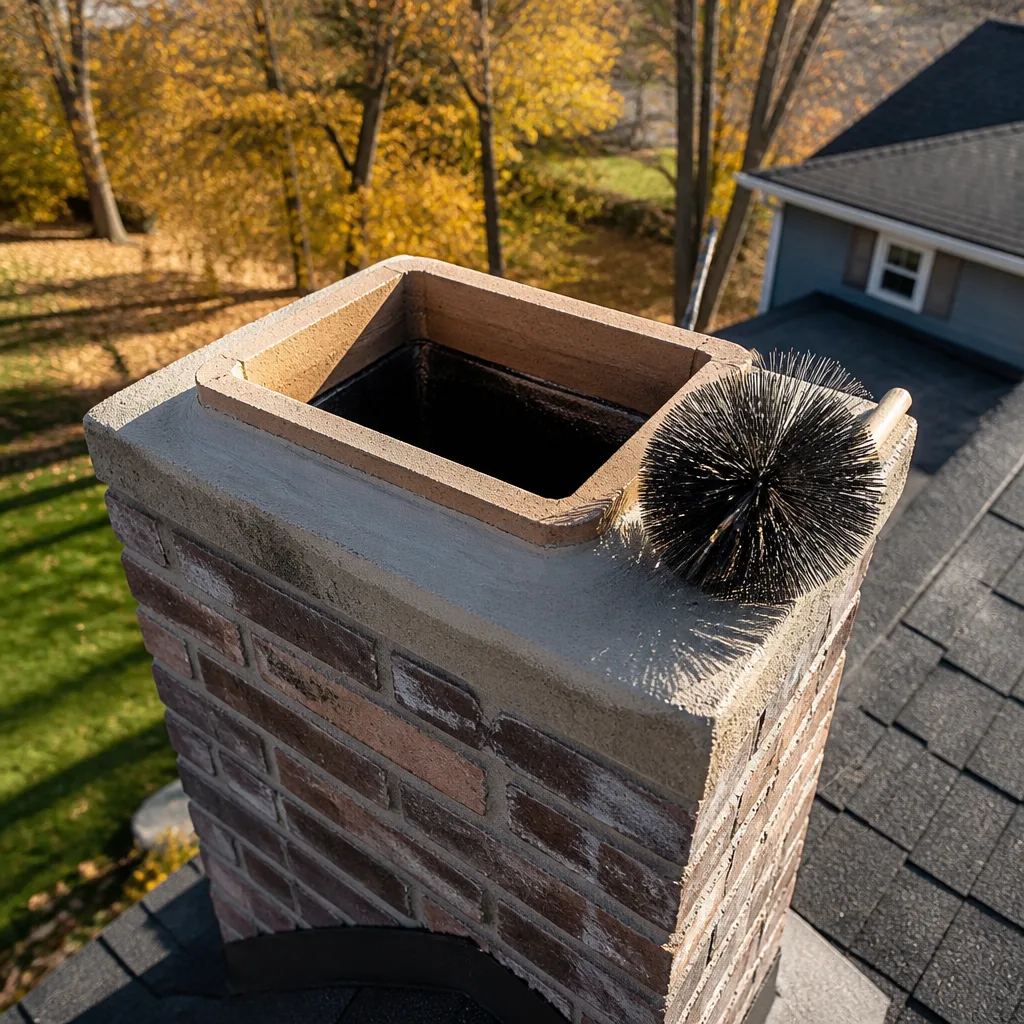 Sweep & inspection
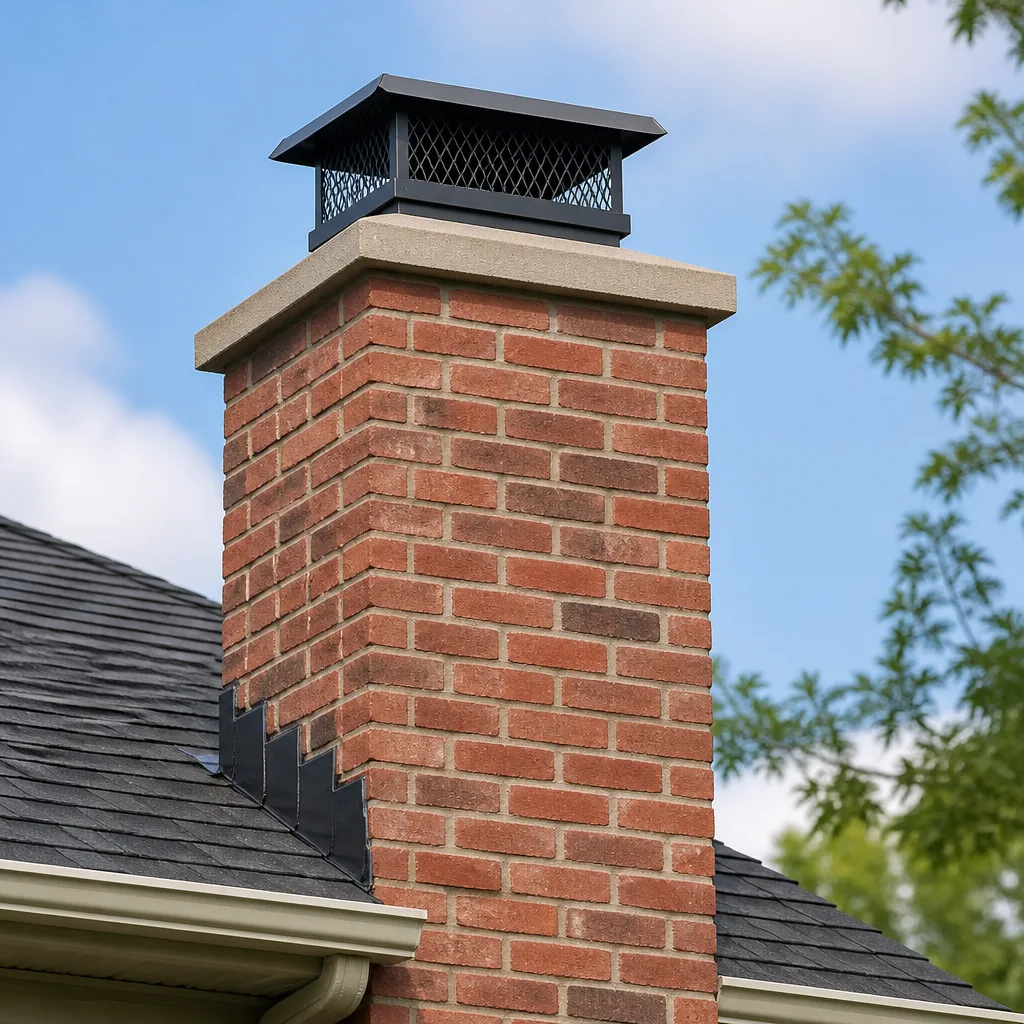 Caps & crowns
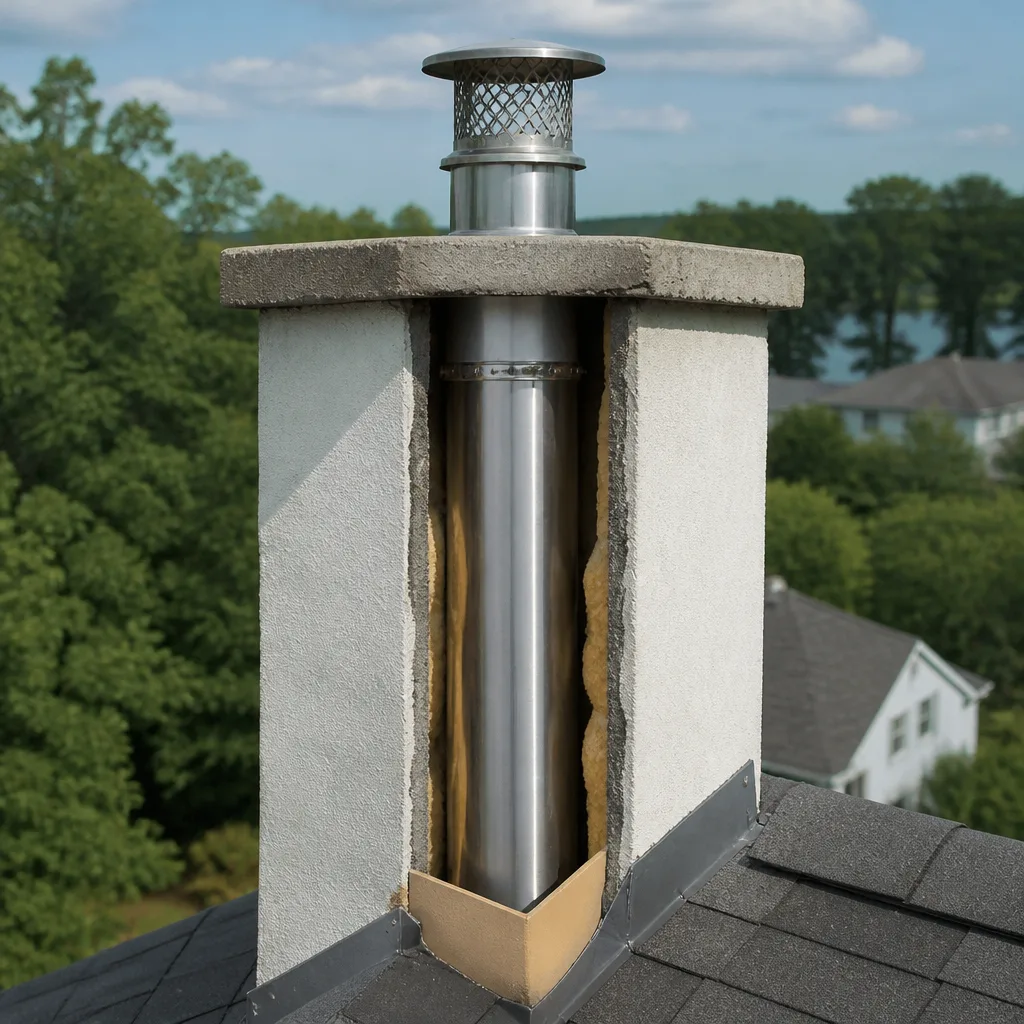 Flue relining
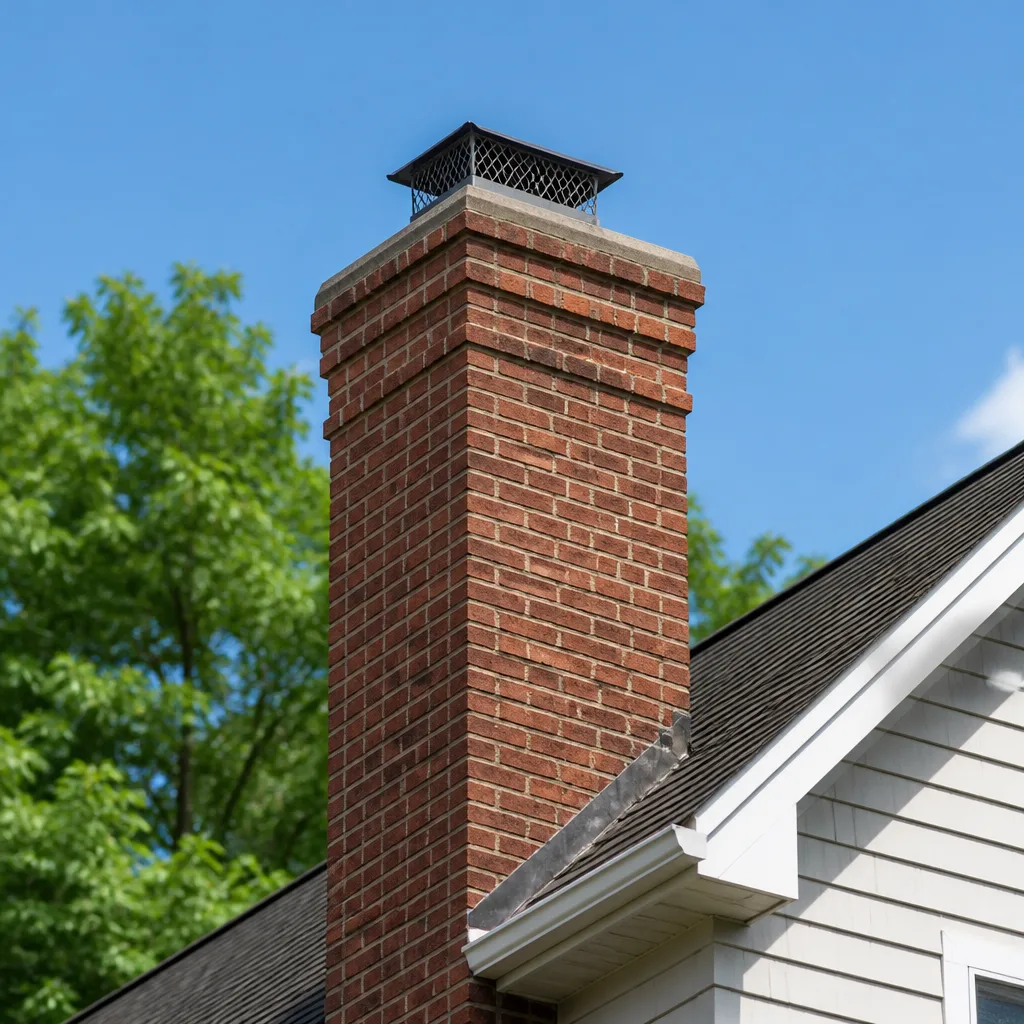 Masonry repair
 Gas fireplace service
Level 1 sweep and inspection to the NFPA 211 annual standard - flue, crown, cap, and flashing checked and photographed
Chimney sweep logs do not sweep chimneys. They loosen some creosote - which then falls where a brush and vacuum still have to collect it.
DIY vs Professional Chimney Cleaning: The Fishtown Homeowner’s Decision Guide
Brushing your own flue without a camera inspection first is the chimney equivalent of changing your oil without checking whether the drain plug is stripped. The visible task gets done. The problem that actually matters goes undetected. Most Fishtown homeowners who ask us about DIY chimney cleaning are thinking about the brush, the rods and the mess. The real question is what a brush can’t tell you: whether the liner has cracked, whether the draft is pulling correctly, and whether the dark glaze on the flue walls is the kind of creosote that needs chemical treatment before any brush touches it. This guide draws that line precisely. You’ll learn what a legitimate DIY sweep can accomplish, what it categorically cannot detect, the tools a real attempt requires, and the situations where cleaning your own chimney stops being a weekend project and becomes a safety question.
Quick Answer
A DIY chimney brush can remove loose, flaky creosote from an accessible flue, but it cannot assess liner integrity, measure draft performance, or identify Stage 2 glazed creosote that needs chemical treatment first. Professional cleaning in Fishtown includes a camera inspection and a written report, which is the part that catches problems before they become fires or carbon monoxide hazards. If your last inspection was more than three years ago, if you see any liner damage, or if a gas appliance vents through the flue, skip the DIY route entirely.
Styles & brands we work with
- Sweep & inspection
- Caps & crowns
- Flue relining
- Masonry repair
- Gas fireplace service
Table of Contents
- What DIY Chimney Brushing Actually Accomplishes
- The Diagnostic Gap: What a Brush Cannot See
- Tools Required for a Legitimate DIY Sweep
- When DIY Is Categorically the Wrong Call
- The Insurance and Liability Angle
- What a Professional Sweep Provides Beyond Cleaning
- Fishtown Rowhouse Chimneys: Why Local Context Matters
- A Decision Framework You Can Use
What DIY Chimney Brushing Actually Accomplishes
A brush on a rod removes one specific thing: the soft, flaky, Stage 1 creosote that builds up on flue walls after a season of burning. That’s real work, and it does reduce the fuel load inside the flue. If your chimney was professionally inspected recently, if the flue is sound, and if you burn seasoned hardwood and keep your fires hot, a mid-season brush-down can be a reasonable maintenance step. We’re not going to pretend otherwise.
What we’ve seen in Fishtown, though, is that homeowners tend to overestimate what that brush pass means. A clean-looking flue is not a verified flue. The brush scrapes the walls it can reach and leaves behind everything it can’t: the offset above the smoke chamber, the top of the flue tile, the crown, the cap screen, and the smoke shelf where debris collects. In a rowhouse with a full-height stack, “reach” is the operative word.
Here’s what a DIY brush-down genuinely covers:
- Loose soot and Stage 1 creosote from the straight run of the flue
- Surface dust from the firebox and damper area
- A visual check of what you can see looking up from the firebox with a strong light
And here’s what it does not cover, no matter how carefully you work:
- Cracks, gaps or spalling in the liner tile
- Glazed Stage 2 or Stage 3 creosote, which a brush will polish rather than remove
- Draft performance under actual burn conditions
- Clearances to combustibles behind the chase
- The condition of the crown, cap and flashing at the top of the stack
- Whether a gas appliance venting through the same flue is drafting safely
The takeaway is simple. DIY brushing is maintenance on a chimney you already know is sound. It is not an inspection, and it cannot substitute for one.
The Diagnostic Gap: What a Brush Cannot See
This is the heart of the DIY-versus-professional question, and it’s the part most articles skip. The value of a professional chimney sweep is not the brushing. It’s the diagnosis that happens before, during and after the brushing. A brush is a cleaning tool. A camera is a diagnostic tool. They do different jobs.
Three things a brush cannot detect:
- Liner integrity. Hairline cracks in clay tile liners are invisible from the firebox. They open up under heat, and they’re the pathway for heat and carbon monoxide to reach framing. A camera run down the flue shows them clearly. A brush slides right past them.
- Draft performance. A chimney can look clean and still draft poorly because of a flue that’s too large for the appliance, a blocked cap screen, an offset with turbulence, or a competing exhaust fan in the house. Draft is measured, not eyeballed.
- Creosote stage. Stage 1 creosote is flaky and brushes off. Stage 2 is glazed and hard, and brushing it produces a polished, still-flammable surface. Stage 3 is the puffy, porous form that ignites most readily. Stage 2 and 3 need chemical treatment or liner replacement, not a brush. You cannot tell which stage you’re looking at from the floor with a flashlight.
We’ve seen Fishtown flues where a homeowner brushed faithfully for years and the liner had been cracked the whole time. Nobody lied to them. They just never had anyone look with the right tool.
Tools Required for a Legitimate DIY Sweep
If you’re going to attempt a DIY sweep on a chimney you know is sound, do it with the right equipment. Most homeowners underequip, and underequipping is how you end up with soot through the house and a rod stuck in the flue. Here’s the honest list for a full-height Fishtown rowhouse stack.
- Correct brush diameter. The brush should match the flue’s inside dimension closely enough to contact all four walls. Too small and it misses the corners. Too large and it jams. Measure the flue opening at the damper before you buy anything.
- Enough rods to reach the top. A Fishtown rowhouse stack often runs two or three stories. Count your rod sections against the actual height. Running out of rod halfway up means a second trip, a second setup, and a second round of soot everywhere.
- Drop cloths and plastic sheeting. Enough to seal the firebox opening and cover the hearth and the floor in front of it. Soot travels. Plan for it.
- A HEPA vacuum. A shop vac with a standard filter will blow fine soot back into the room. A HEPA-rated unit is the difference between a clean job and a week of dusting.
- Respirator, goggles and gloves. Creosote and soot are not things to breathe or get on your skin.
- A strong flashlight. For the before-and-after look up the flue.
What that list does not include is a camera. That’s the gap. The tools above let you clean. They do not let you inspect. If you’re going to spend the money on a proper brush, rods, HEPA vacuum and safety gear, it’s worth weighing that against a professional sweep that includes the inspection you can’t do yourself. We name the materials we use, and the reason is simple: when the report comes back, you should be able to look up every part it mentions.
When DIY Is Categorically the Wrong Call
There are conditions where a DIY sweep isn’t a judgment call. It’s the wrong tool for the job, full stop. If any of the following apply to your chimney in Fishtown, book a professional inspection before you light another fire.
- Last inspection was more than three years ago. You don’t have a baseline. Without one, brushing is cleaning a system you haven’t verified is safe.
- Any visible liner damage. Cracked tile, spalled mortar joints, a gap at the smoke chamber, or a liner that was never installed in the first place. A brush can catch on damage and make it worse.
- A gas appliance venting through the flue. Gas venting has its own clearance and draft requirements, and carbon monoxide is the risk if something is wrong. This is not a DIY category.
- Stage 2 or Stage 3 creosote. Glazed or puffy creosote needs chemical treatment first. Brushing it can smear it, and it stays flammable.
- A chimney fire in the past. Even a small one can crack tile and warp a liner. That needs a camera inspection, not a brush.
- Smoke backing into the room, or a smell of creosote when the chimney is cold. Both point to draft or blockage problems that need diagnosis.
Every one of these situations is a signal that the visible task isn’t the real task. If you’re in any of these categories, call us. The inspection is the point.
The Insurance and Liability Angle
This is the part homeowners rarely think about until it matters. After a chimney fire, an insurance adjuster is going to ask one question: when was the chimney last professionally inspected, and do you have documentation? A homeowner’s policy that covers fire damage will typically look closely at whether the loss came from a maintenance failure. If there’s no professional inspection on record, a claim can be denied or reduced. That’s not a scare tactic. It’s how claims get reviewed.
A professional sweep produces a written report. That report is a dated record of the condition of your chimney at a point in time. It documents the liner, the clearances, the cap and crown, and any recommended work. If something happens later, that record matters. If you sell the house, it matters again. A buyer’s inspector will flag an unmaintained chimney, and a documented sweep history is the cheapest way to answer the question before it becomes a negotiation.
DIY brushing produces no record. You know you cleaned it. Your insurer doesn’t. Your buyer’s inspector doesn’t. That’s the hidden cost of the DIY route, and it’s the one most Fishtown homeowners never factor in. Pair the inspection with a documented sweep, and you’ve closed that gap for the price of one visit.
What a Professional Sweep Provides Beyond Cleaning
Here’s what a professional sweep actually delivers that a brush-down cannot. Not marketing. The list.
- A camera inspection of the full flue. Top to bottom, with footage you can see. This is the diagnostic step that catches cracked tile, gaps and blockages.
- A written report. Dated, documented, and yours to keep. It records what was found, what was cleaned, and what (if anything) needs attention.
- Documented clearances. The distance from the chimney to combustible framing, checked and recorded. This is what your insurer will want to see.
- Cap, crown and flashing assessment. The top of the stack is where water and animals get in. A sweep checks it. A brush-down from below never sees it.
- Stage-appropriate creosote treatment. If the flue has glazed creosote, it gets treated correctly instead of polished.
- A clear recommendation. Sometimes the answer is “you’re fine, we’ll see you next season.” Sometimes it’s a chimney repair. Either way, you’ll have the evidence in front of you.
That last point matters more than any other. We’ve seen Fishtown homeowners hesitate on booking a sweep because they’re worried about being told they need thousands of dollars of liner work with no way to check it. The answer is the camera. Nothing gets recommended without footage you can look at yourself, and we’ll tell you plainly when work can safely wait until next season. If your liner is sound and your creosote is Stage 1, we’ll say so. If it isn’t, you’ll see exactly why.
When a problem does turn up, the full scope stays under one roof. A sweep, a chimney cap & crown, a liner install, a rebuild, and fireplace repair all get handled by the same company, so nobody hands you off to a second contractor to finish what the first one started. We use HeatShield for ceramic liner resurfacing when the existing flue can be restored rather than replaced, and Gelco or Famco caps when the top of the stack needs new protection. Those are the professional-grade parts, and you can look up every one of them.
Fishtown Rowhouse Chimneys: Why Local Context Matters
Fishtown’s housing stock shapes this question more than most homeowners realize. The neighborhood is dominated by rowhouses, many of them a century or more old, with chimneys that run up shared party walls. That construction has three practical consequences for anyone thinking about a DIY sweep.
- Full-height stacks are tall. A Fishtown rowhouse chimney often runs two or three stories from the firebox to the cap. Reaching the top with brush rods is a longer, messier job than in a single-story house, and the odds of underequipping go up with every floor.
- Older clay tile liners are the norm. Many of these flues were built with clay tile that has been subjected to decades of heating and cooling cycles. Cracks and spalled joints are common, and they’re exactly what a brush cannot see.
- Shared walls mean clearances matter more. When your chimney shares a party wall with a neighbor, the clearance between the flue and combustible framing is not just your problem. A documented clearance check is worth having.
Add the local burn season to the picture. Fishtown fireplaces see steady use from the first cold snap through early spring, and creosote accumulates fastest during slow-burning, cool-fire periods when the flue doesn’t get hot enough to burn it off. By the end of a season, a flue that looked fine in October can have a meaningful creosote load by March. A sweep before the season starts beats a scramble later.
If you’re a buyer looking at an older Fishtown rowhouse, this matters twice over. A pre-purchase chimney inspection tells you whether the flue you’re inheriting is sound before you sign, and it’s the cheapest piece of due diligence in the deal.
A Decision Framework You Can Use
Here’s the practical version. Walk through these questions in order. The first one you can’t answer clearly tells you what to do next.
- Has your chimney been professionally inspected in the last three years? If yes, and the report was clean, a DIY brush-down between inspections is reasonable. If no, book the inspection first.
- Is the liner sound? If you don’t know, you can’t assume. A camera inspection answers this.
- Is a gas appliance venting through the flue? If yes, stop. This is a professional-only situation because of carbon monoxide risk.
- Is there glazed or puffy creosote on the flue walls? If you see dark, shiny or bubbly deposits, that’s Stage 2 or 3 and needs chemical treatment, not a brush.
- Are you comfortable working on a full-height Fishtown rowhouse stack with the full tool list above? If not, the economics of DIY don’t hold up once you buy the equipment.
If you get through all five with clear yes-or-no answers, you have your decision. If any answer is “I’m not sure,” that’s the signal. The uncertainty is the reason to call.
Common Mistakes to Avoid
- Brushing before inspecting. Cleaning a flue you haven’t verified is safe is the core mistake this whole guide is about. Inspection first, cleaning second, every time.
- Buying the wrong brush diameter. A brush that’s too small misses the walls. Too large and it jams mid-flue. Measure the flue opening before you buy. Fishtown rowhouses rarely have standard dimensions.
- Running out of rod on a full-height stack. Count the height first. A rowhouse flue often needs more rod than the kit includes.
- Skipping the HEPA vacuum. A standard shop vac will spread fine soot through the house. That’s not a cleaning. It’s a redistribution.
- Ignoring a gas appliance on the same flue. If a furnace or water heater vents through your chimney, that’s a carbon monoxide question, and it’s not a DIY project. Call a professional.
- Polishing Stage 2 creosote. Glazed creosote doesn’t brush off. Brushing it smears it and leaves a still-flammable surface. It needs chemical treatment first.
- Never documenting anything. DIY brushing leaves no record. No report, no date, no evidence. If you ever file a claim or sell the house, that absence comes back to you.
- Forgetting the top of the stack. The cap and crown are where water and animals get in. A brush-down from the firebox never sees them, and a cracked crown is a slow leak that shows up in the ceiling below.
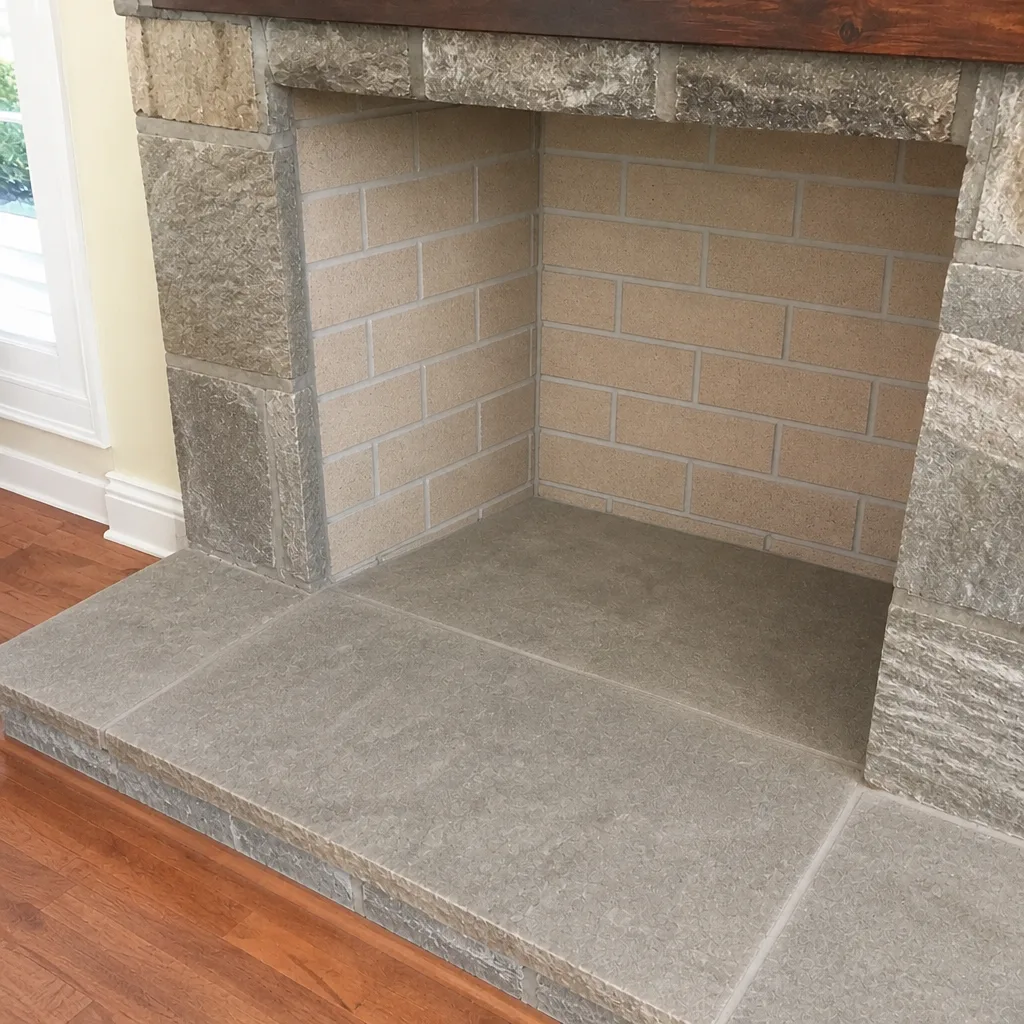
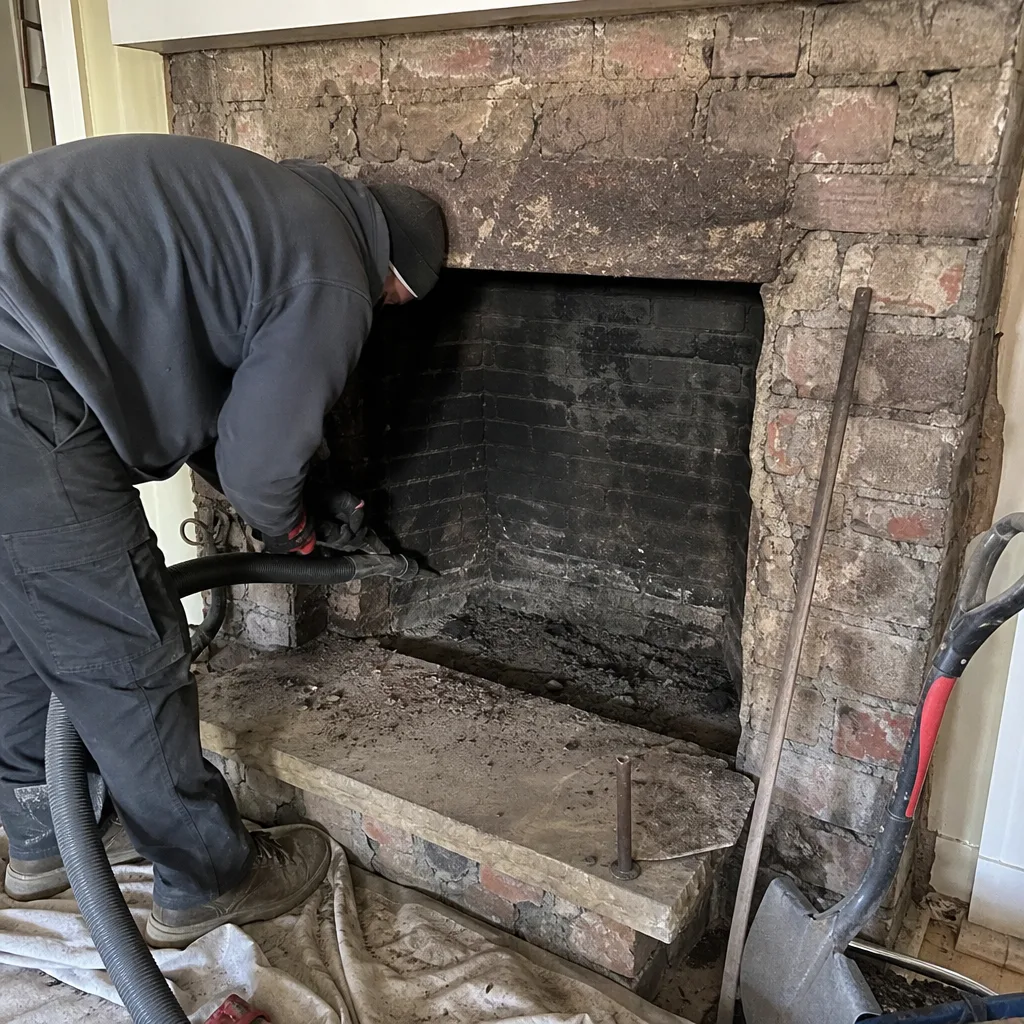
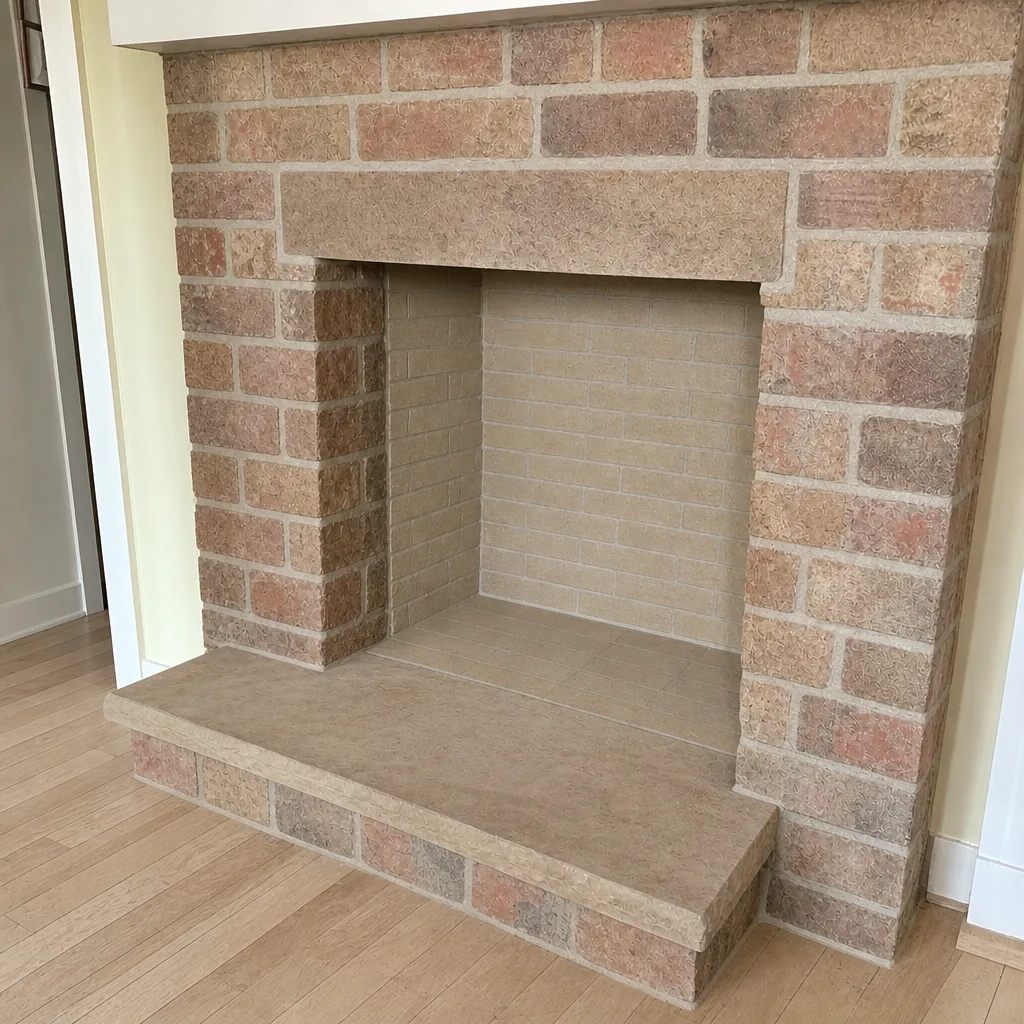
See the difference
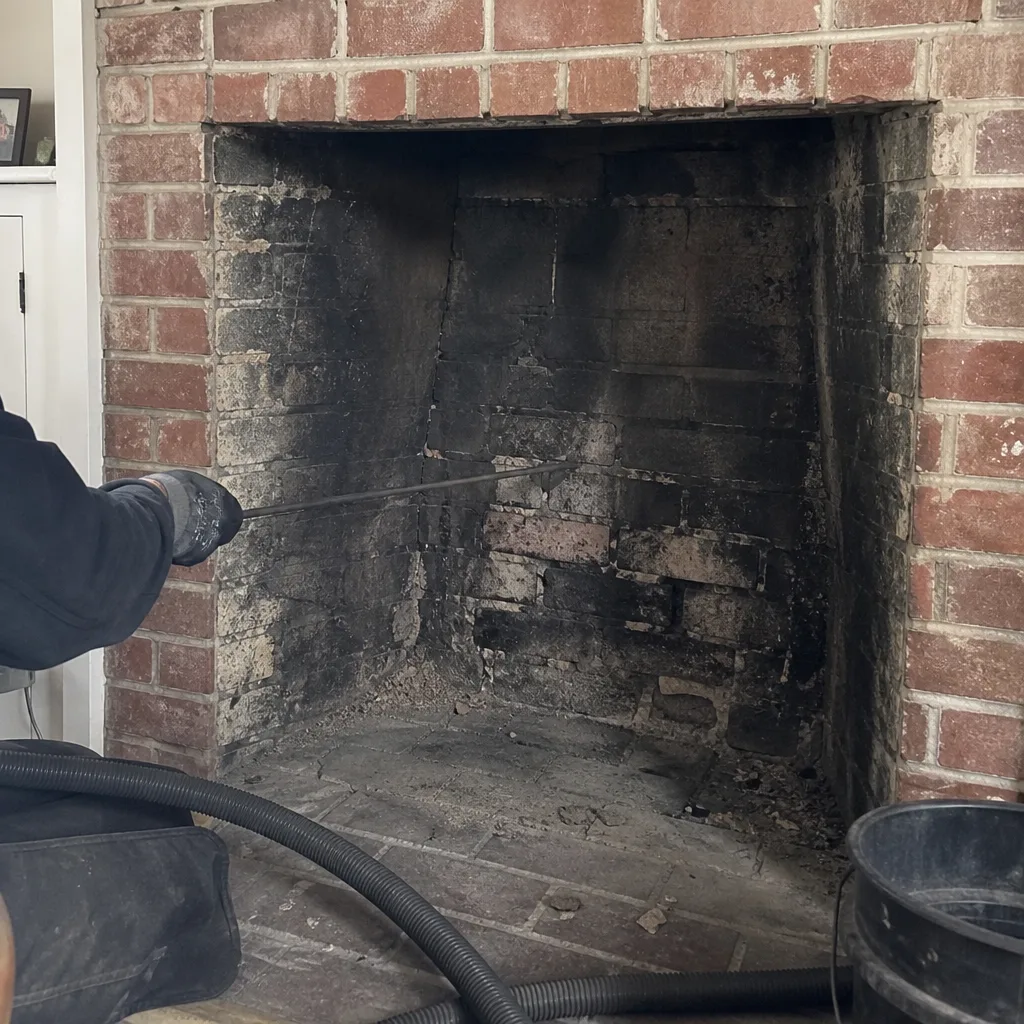 Before
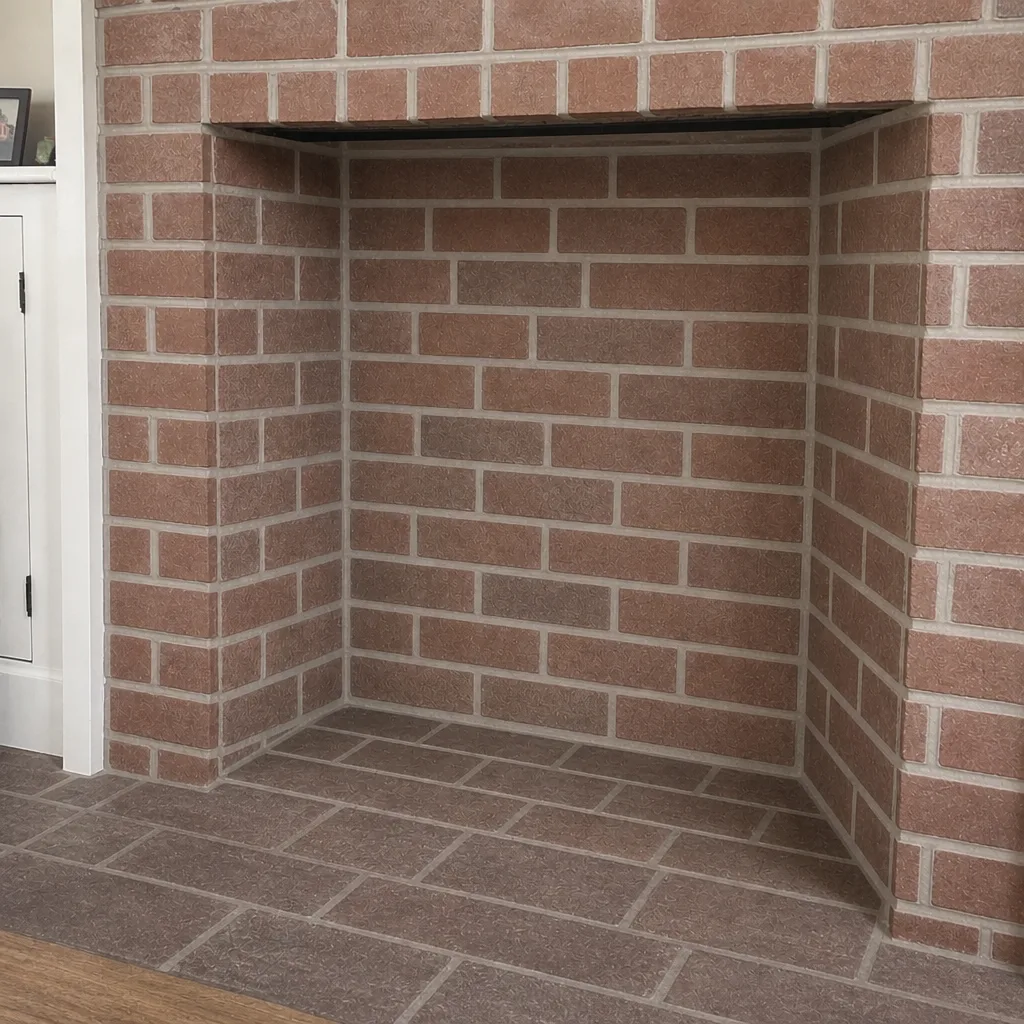 After
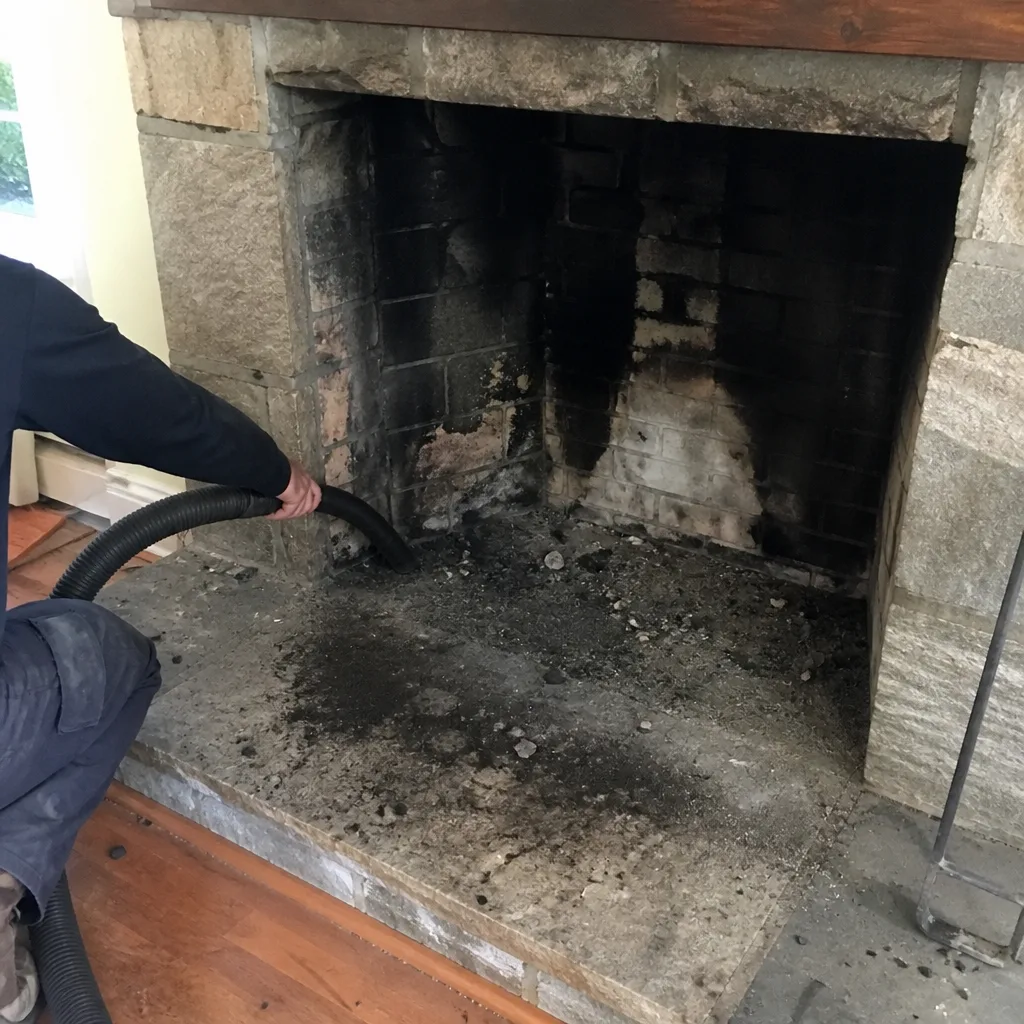 Before
 After
 Before
 After
When to Call a Professional
Call a professional chimney sweep if your last inspection was more than three years ago, if you see any liner damage, if a gas appliance vents through the flue, if you’ve had a chimney fire, or if you smell creosote when the chimney is cold. Those are the scenarios where DIY brushing cleans around the problem instead of catching it. Call us if the flue has glazed or puffy creosote, if smoke backs into the room, or if you’re buying an older Fishtown rowhouse and want the chimney assessed before you close.
Chimney Sweep Fishtown offers free estimates in Fishtown. Call (833) 432-4886. We answer 24/7. Fast dispatch from 7am to 7pm, Sunday through Friday. The written estimate sets the final price, and the camera footage tells you what’s actually going on before anyone recommends another dollar of work.
Frequently Asked Questions
You can brush loose creosote from an accessible flue if the chimney was professionally inspected recently and the liner is sound, but you cannot inspect the liner, measure draft performance, or identify glazed creosote without a camera. Most Fishtown homeowners who attempt a DIY sweep are missing the diagnostic step that catches real problems. Call (833) 432-4886 if you want the inspection done first.
Chimneys should be swept when creosote buildup reaches a meaningful depth on the flue walls, which for regular wood burning in Fishtown’s burn season often works out to once a year. The real rule is inspection-based: get a camera look at least every two to three years, and sweep whenever the inspection shows the buildup warrants it. Call (833) 432-4886 for an exact quote on a sweep.
A professional sweep costs more than a brush kit in the short term, but the kit doesn’t include a camera, a written report, or documented clearances, and replacing those separately is not something homeowners can do. The price is set per job by a written estimate, and the estimate is free. Call (833) 432-4886 to book yours.
Creosote accumulates with every fire, and at Stage 2 and Stage 3 it becomes fuel for a chimney fire. A blocked or damaged flue also raises carbon monoxide risk if a gas appliance vents through it. Skipping a sweep doesn’t stop the buildup. It just removes the inspections that would catch it. Call (833) 432-4886 before your next fire.
Glazed, Stage 2 creosote is hard and bonded to the flue wall, and a brush surface-polishes it instead of removing it, which leaves the flammable layer intact. Stage 2 and Stage 3 creosote need chemical treatment before any brushing, and that treatment is a professional product and a professional step. Call (833) 432-4886 if you see shiny, dark or bubbly deposits on the flue walls.
Adjusters routinely ask for documented maintenance after a chimney fire, and a claim can be denied or reduced when there’s no professional inspection on record. A written report from a sweep gives you a dated record of the chimney’s condition and closes that gap. Call (833) 432-4886 to get one on file.
The Bottom Line
DIY chimney brushing is maintenance on a flue you’ve already verified is sound. It is not an inspection, and it can’t detect liner cracks, glazed creosote, draft problems or clearance issues. Do it yourself only if a professional has looked at the chimney recently and given you the green light. Otherwise, book the sweep. The cost of a professional visit in Fishtown is the price of a camera inspection and a written report, and those two things are the entire reason the visit matters. The brush is a tool. The diagnosis is the service.
Call (833) 432-4886 for a free estimate. We answer 24/7. Fast dispatch from 7am to 7pm, Sunday through Friday. Our technicians have up to 13 years of experience, and nothing gets recommended without camera evidence you can see for yourself. For the full scope of what we handle, start with Chimney Sweep Fishtown.
Written by the team at Chimney Sweep Fishtown.