
Last updated November 22, 2026
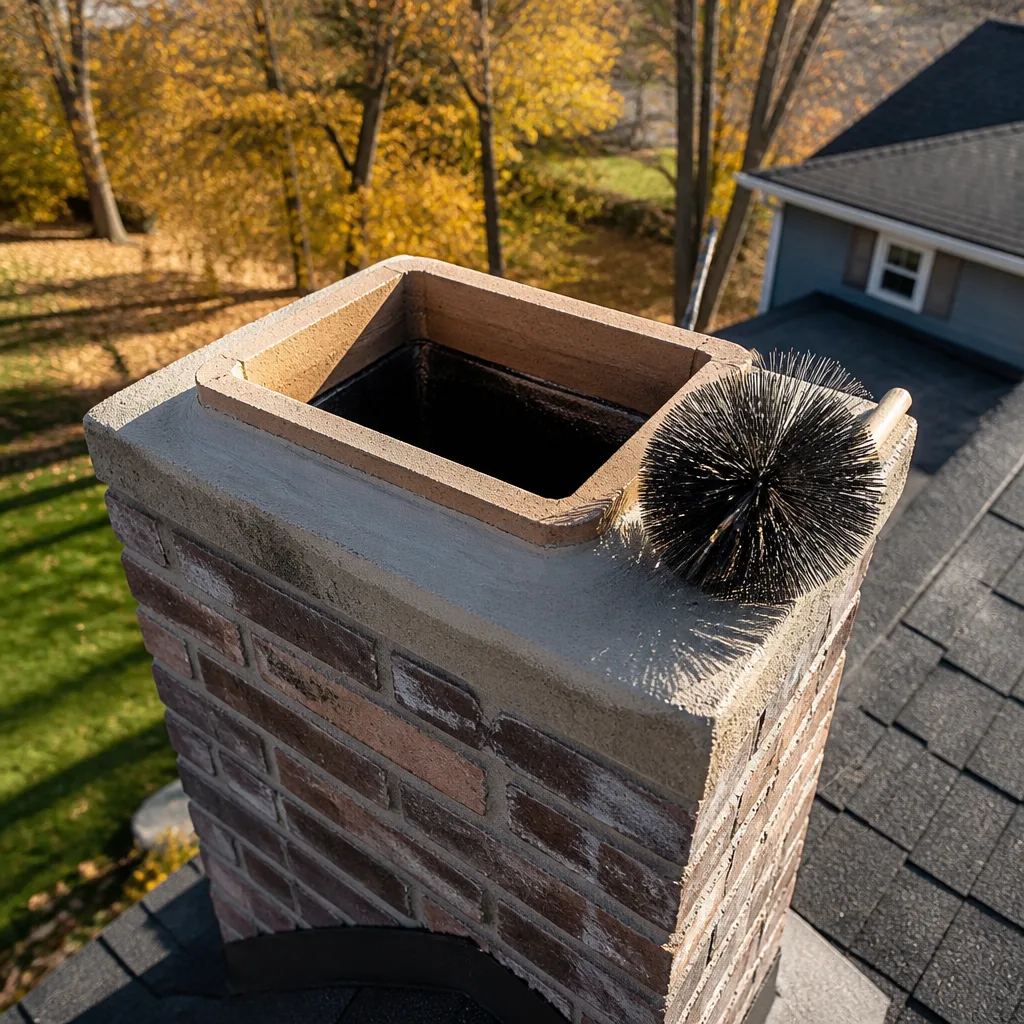 Sweep & inspection
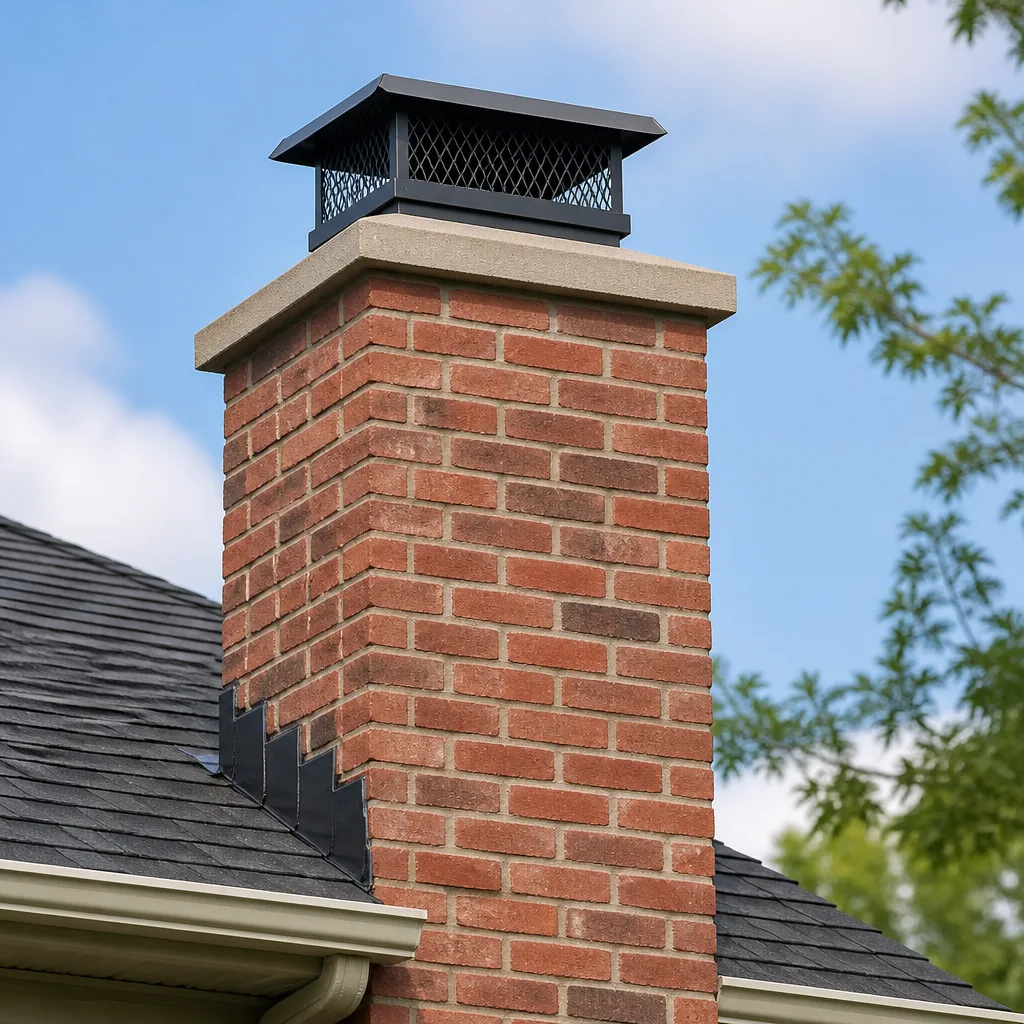 Caps & crowns
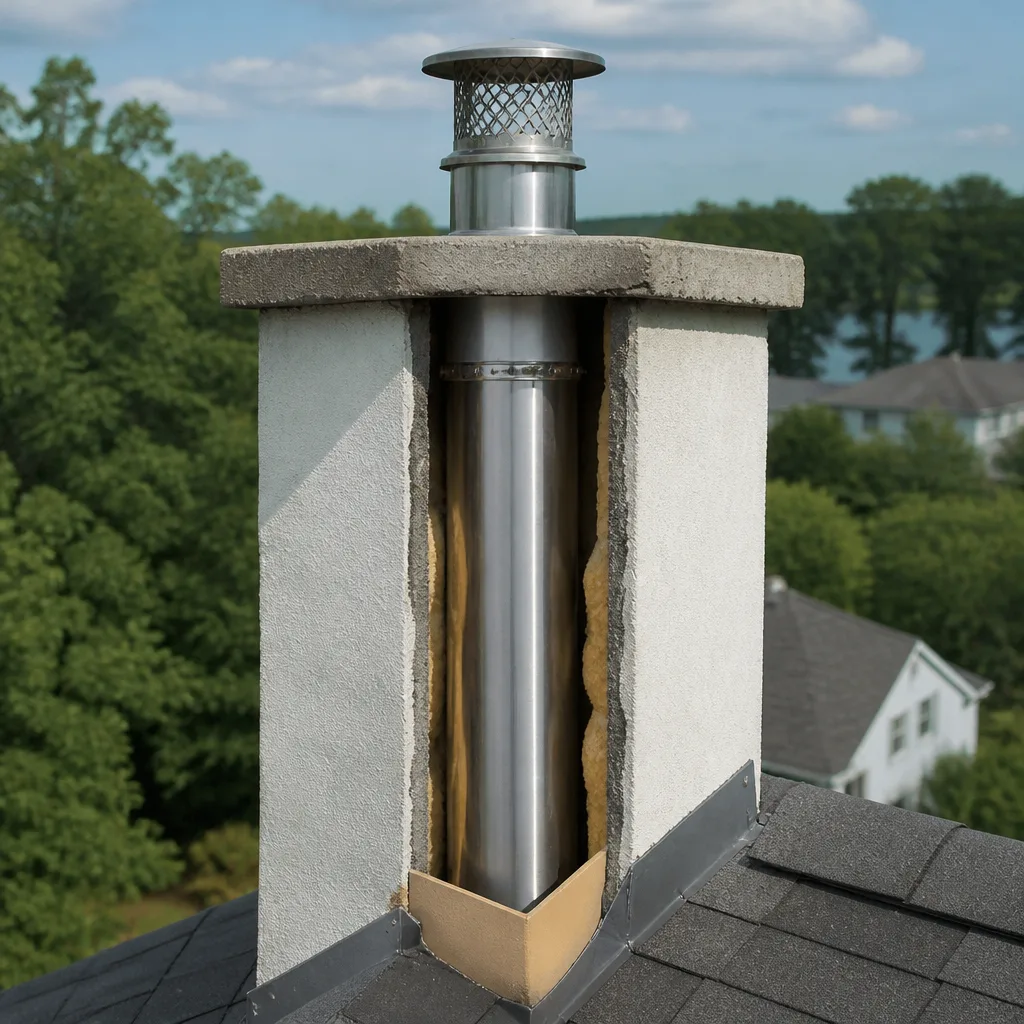 Flue relining
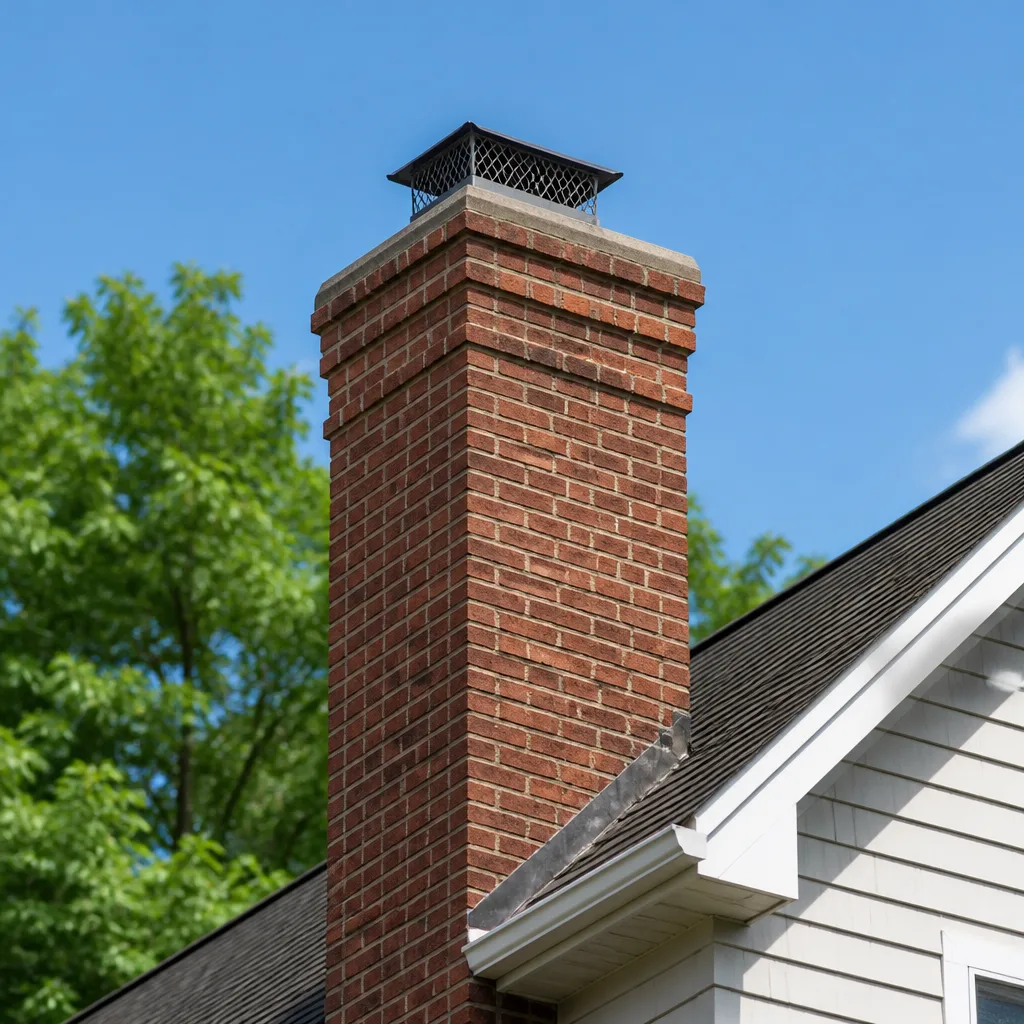 Masonry repair
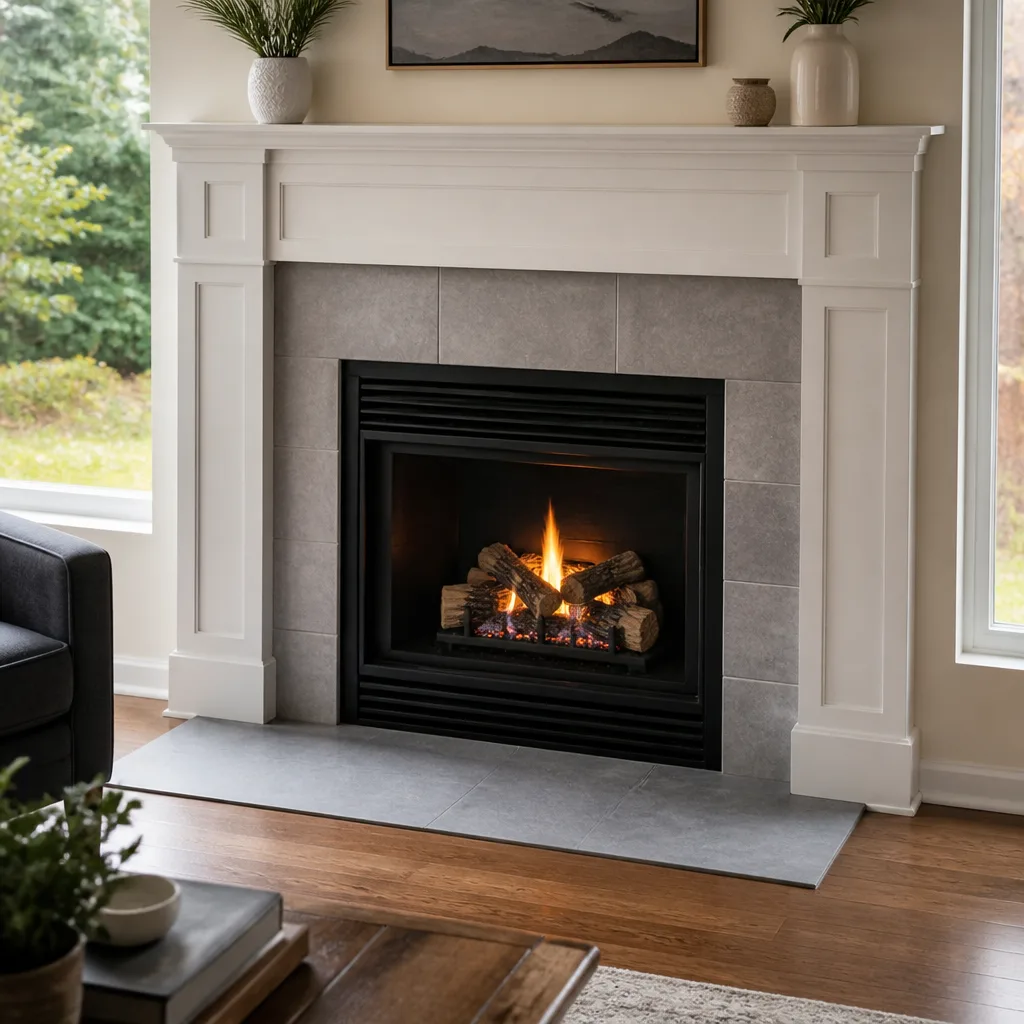 Gas fireplace service
Level 1 sweep and inspection to the NFPA 211 annual standard - flue, crown, cap, and flashing checked and photographed
Chimney sweep logs do not sweep chimneys. They loosen some creosote - which then falls where a brush and vacuum still have to collect it.
Seasonal Chimney Cleaning Care for Fishtown: Year-Round Homeowner’s Guide
Most chimney advice you’ll read tells you to book a sweep in the fall and forget about it until next year. That schedule misses three seasons of real chimney activity. A cap that cracked in April lets water into the flue all summer. Birds nest in an open flue in May. Creosote builds faster than usual during a January cold snap, when the fire burns hot and the damper stays partly closed. By the time October arrives, the damage is already done and every sweep in Fishtown is booked weeks out. This guide walks through what actually happens to a Fishtown chimney month by month, so you can catch problems in the season they start rather than the season they surface.
Quick Answer
Year-round chimney care in Fishtown means checking the system four times a year, not once: spring for winter damage and water entry, summer for odor and moisture, fall for a pre-season sweep and safety check, and winter for mid-season warning signs during active burning. The right service interval depends on how often you burn and what you burn. A rowhouse chimney that sees daily fires from November through February needs more attention than one used a few times a month.
Styles & brands we work with
- Sweep & inspection
- Caps & crowns
- Flue relining
- Masonry repair
- Gas fireplace service
Table of Contents
- Why Fishtown Chimneys Age Differently
- Spring: What to Check After the Heating Season
- Summer: Odor, Moisture, and the Closed-Damper Problem
- Fall: The Pre-Season Checklist Beyond “Schedule a Sweep”
- Winter: Mid-Season Warning Signs During Active Use
- How Fuel Type and Burn Frequency Change Your Service Interval
- The Fishtown Chimney Calendar at a Glance
- Common Mistakes to Avoid
Why Fishtown Chimneys Age Differently
Fishtown’s housing stock shapes how a chimney wears. The neighborhood is dense with rowhouses built close together, sharing party walls and often sharing a single masonry stack that serves two units. That density creates conditions a detached suburban house never sees. Heat from one side of a shared stack moves through the masonry into the other side. Moisture drawn up from one flue can affect the mortar joints next to it. When a neighbor’s chimney cap fails, water can wick into the shared masonry and show up as a stain on your ceiling.
The Philadelphia climate adds its own pressure. Summers here are humid enough that a closed, unused chimney stays damp inside for weeks. Winters swing between freeze and thaw, sometimes within the same week. Water that seeps into a mortar joint, freezes overnight, and thaws the next afternoon slowly opens that joint wider each cycle. By spring, a hairline crack in the crown can be a real gap.
Older Fishtown rowhouses often have unlined or clay-tile-lined flues that were built for coal or for open wood fireplaces, not for a modern wood stove running hard. If the flue was designed for occasional fireplace use and it’s now serving a stove that burns daily, the liner is working harder than it was built to. That’s one reason a seasonal check matters here more than the generic advice suggests.
We’ve seen all three of these patterns in Fishtown: shared-stack moisture, freeze-thaw crown damage, and undersized liners. None of them show up as a dramatic problem. They show up as a slow decline that a homeowner notices only when the fire stops drafting properly. Our technicians have up to 13 years of experience reading those signs, and we name the materials we use so you can see exactly what’s going into the repair, whether that’s a DuraFlex liner or a Famco cap.
Spring: What to Check After the Heating Season
Spring is when the winter’s wear becomes visible. The fire is out, the flue is cool, and you can actually see what happened over the last four months. This is the best window for an inspection, because the problems are fresh and the weather is mild enough for repair work to go smoothly.
Here’s what a spring check should cover on a Fishtown chimney:
- Liner stress. Look for cracks, gaps, or separated sections in a clay tile liner. A flexible stainless liner or a HeatShield-resurfaced flue holds up better than bare clay, but any liner can fail. Cracks let heat and gases reach the surrounding masonry.
- Water entry. Check the crown (the concrete cap on top of the stack) for cracks, and check the flashing where the chimney meets the roof. In a rowhouse, check the shared wall for staining on the interior side.
- Animal intrusion. Birds, squirrels, and raccoons move into open flues in spring. A cap with a proper screen prevents this. If you find nesting material, it has to come out before the fall fire season, and it can’t just be swept loose without blocking the flue.
- Mortar and freeze-thaw damage. Tap the mortar joints and look for crumbling or soft spots. Water that got in over winter and froze will have opened the joints. Repointing a few joints in spring costs far less than rebuilding a section in fall.
- Damper operation. Open and close the damper fully and check that it seals. A damper that sticks open loses heat in winter and lets humid summer air into the flue.
If a spring check turns up a failed crown or missing cap, this is the right time to fix it. A chimney cap & crown installed in spring protects the flue through the humid months, when water entry does the most silent damage. We install Gelco and Famco caps because professionals specify them; they hold up better than the hardware-store versions that fail within a couple of seasons.
Summer: Odor, Moisture, and the Closed-Damper Problem
Philadelphia summers are humid, and a chimney that’s closed up from May to September is a damp, dark tube attached to your living room. Two things happen. First, the creosote left over from the last burn season absorbs moisture from the air and starts to smell. That’s the source of the sour, smoky odor people notice in older houses on humid days. Second, if the cap or crown is compromised, rainwater gets in and the flue stays wet for weeks, which accelerates mortar decay and rusts any metal components.
The damper seal is the key to summer odor. A damper that closes tightly keeps humid air out of the flue. A damper that doesn’t seal lets that air in, and along with it the smell. This is also why skipping the spring inspection causes problems you notice in July rather than April. The cap failure that lets water in was the spring problem; the odor is the summer symptom.
What helps in Fishtown during the summer months:
- Make sure the damper closes fully and sits flush. If it doesn’t, it’s a repair, not a habit to work around.
- Keep the cap and crown intact. A sealed cap blocks rain and animals but still vents. A missing or broken cap turns the flue into a rain pipe.
- Get a sweep done in summer if you can. Chimney professionals are less booked in July than in October, and a summer sweep clears the creosote residue before it sits all season absorbing moisture.
- Don’t run a dehumidifier in the fireplace. It doesn’t dry the flue; it just masks the symptom.
If you’ve never had the flue inspected and you bought a house in Fishtown recently, summer is a good time for a first assessment. A buyer of an older rowhouse can’t know the liner condition from a walkthrough, and a summer inspection gives you time to plan any chimney repair before the first fire of the season.
Fall: The Pre-Season Checklist Beyond “Schedule a Sweep”
Scheduling a sweep is the obvious fall task, and it belongs on the list. But the sweep itself only clears creosote and soot. The rest of the pre-season checklist catches the conditions that cause fires, carbon monoxide problems, and heat loss during the burn season. Here’s what to cover before the first fire.
- Damper seal. With the firebox cold, close the damper and check for gaps around the edges. A damper that doesn’t seal lets warm room air escape up the flue and lets cold air down, and it makes the fireplace harder to start.
- Cap and screen condition. Look at the cap from the ground with binoculars if you can’t get up top. Rusted screens, bent caps, or missing caps need to be fixed before the birds and rain get in. This is also the practical reason to address your chimney cap & crown before the season starts, not after.
- Creosote level. A sweep should tell you how much creosote is in the flue and what stage it’s at. Stage 3 creosote (glazed, hard) needs removal by a trained sweep before you burn again, and it can’t be brushed off with a homeowner tool.
- Liner integrity. Cracks in the liner are a fire risk and a carbon monoxide path into the house. A fall inspection confirms the liner is intact before the season begins.
- Firebox and door seals. On a wood stove, check the door gasket for tightness. A leaking gasket loses control of the burn and increases creosote.
- Smoke and carbon monoxide detectors. Test them and replace batteries. A working CO detector is the primary safeguard against a blocked or leaking flue.
This is the season when a proper chimney sweep pays for itself. A sweep booked in September gives you time to address anything the inspection turns up before the cold sets in. Booked in late October, you’re competing with everyone else and you’ll take the first open slot rather than the right one. Call (833) 432-4886. We answer 24/7. Fast dispatch from 7am to 7pm, Sunday through Friday.
Winter: Mid-Season Warning Signs During Active Use
Most homeowners stop thinking about the chimney once the season starts. That’s backwards. Winter is when things go wrong, because the fire is running every day and the heat is stressing the flue in real time. A mid-season check catches problems before they become a fire risk.
Watch for these during the burn season. Any one of them is a reason to book an inspection, even if you had a fall sweep:
- Creosote buildup accelerated by cold snaps. When it’s very cold outside, fires can burn hotter and faster, and the draft can pull harder. That can produce more creosote in a short window. If you notice a smoky smell between fires or the fire seems slow to draft, it’s worth a check.
- Draft problems. Smoke rolling out of the firebox when you open the door, or a fire that won’t draw, can signal a partial blockage or a drop in flue temperature.
- Smoke or soot around the firebox or on the mantel. This can mean the firebox or liner has a gap.
- The CO detector goes off. Leave the house, call the fire department, and don’t re-enter until they clear it. A chimney inspection should follow.
- Soot blowing out of the cap. Visible soot on the roof or siding during a burn suggests incomplete combustion and heavy creosote.
If you see any of these, don’t wait for the next scheduled service. In our experience, mid-winter inspections often turn up the start of a problem that a spring check would have missed, because the fire activity itself puts stress on the system. A blocked or cracked flue is a fire and carbon monoxide hazard, and it’s not something to run a fire through until you know the liner is intact. If a door or damper fails on a Saturday and you can’t get anyone out, call and we’ll book you into the next opening, Sunday through Friday.
A certified sweep is the only person who should be cleaning or inspecting inside a flue. The work involves heights, sharp tools, and the risk of disturbing a liner or a blocked flue. This is not a homeowner job, and we say that plainly.
How Fuel Type and Burn Frequency Change Your Service Interval
The “once a year” rule is a starting point, not a fixed schedule. The right interval depends on what you burn and how often, and in a Fishtown rowhouse the answer can vary block to block.
- Seasoned firewood, occasional use. A few fires a week through the winter, with dry, split hardwood. Annual sweeping and a yearly inspection is usually enough. If the chimney serves a fireplace that’s used mostly for ambiance, that’s the lightest schedule.
- Seasoned firewood, daily use. A fire every day from November through March, which is common in Fishtown rowhouses where the fireplace is a real heat source. The flue can accumulate creosote faster. A mid-season check is worth doing, and the annual sweep should be scheduled before the season starts.
- Unseasoned or “green” wood. Wood that hasn’t dried properly burns cooler and produces more creosote. The burn is smokier, the flue cools faster, and creosote deposits build sooner. Sweep more often.
- Wood stoves. A stove runs hotter and more continuously than an open fireplace, and a modern stove with a controlled air supply can either burn very clean or produce heavy creosote depending on how it’s operated. A stove used daily should get at least an annual inspection and often a mid-season sweep.
- Pellets. Pellet appliances tend to produce less creosote than wood, but they still need annual service and a vent check.
One more factor in Fishtown: the shared stack. If your neighbor has a stove and you don’t, their burning still affects the shared masonry. A moisture problem on their side can show up as a problem on yours. When we inspect a Fishtown rowhouse chimney, we look at the whole stack, not just your flue.
What about a chimney that hasn’t been used in years?
A chimney that’s been idle needs an inspection before its next fire, no matter the season. Idle flues collect debris, nests, and moisture, and a flue that was fine three years ago can have a cracked liner and a bird’s nest now. Get it inspected before you light anything.
The Fishtown Chimney Calendar at a Glance
Here’s the whole year in one view. Use it as a rough schedule, then adjust for how much you burn.
- March to May (spring). Post-season inspection. Check the liner, crown, flashing, and mortar for winter damage. Remove nests. Look for water entry on the shared stack. Fix the cap before the humid months.
- June to August (summer). Watch for odor and moisture. Make sure the damper seals. Get a sweep if you haven’t had one. Book any repairs while the schedule is open.
- September to November (fall). Pre-season sweep and full safety check. Confirm the damper, cap, screen, liner, and firebox are all sound. Test CO detectors. Book the sweep early.
- December to February (winter). Watch for draft problems, smoke, soot, and any CO alarm. A mid-season inspection is worth it if you burn daily.
The short version: spring catches damage, summer catches moisture, fall catches everything before it matters, and winter catches the problems that show up while you’re using the chimney. Four looks a year, none of them expensive, versus one scramble in October.
Common Mistakes to Avoid
- Waiting until October to book a sweep. This is the single most common mistake in Fishtown. Everyone calls in the same six-week window, the schedule fills, and you end up taking whatever slot is left. Book in summer or early fall and you get the time you want.
- Skipping the spring check. The costly damage in a rowhouse chimney usually starts with a small spring problem (a cracked crown, a missing cap screen) that’s left alone all summer. Call it in May and it’s a small fix. Find it in October and it’s a bigger one.
- Using a hardware-store cap. The flimsy sheet-metal caps from the big box stores don’t last in a Philadelphia summer. Professionals specify Gelco or Famco because they hold up. If you need a cap replaced, use a professional-grade part.
- Burning unseasoned wood to save a few dollars. Green wood produces more creosote and a smokier fire. The savings on the wood get spent on the extra sweep and the repair, and the fire is worse in the meantime.
- Assuming a sweep is the same as an inspection. A sweep clears creosote. An inspection checks the liner, crown, cap, damper, and firebox for condition. They’re different tasks and a seasonal check should include both.
- Ignoring a smoky smell in summer. That odor means moisture is getting into the flue. It won’t fix itself in the fall, and it usually points to a cap or damper problem.
- Running a fire through a flue that’s never been inspected. If you bought a Fishtown rowhouse and don’t know the liner’s history, get it looked at before the first fire. A pre-purchase assessment is a good idea for the same reason.
When to Call a Professional
Some chimney work is a check-and-see; some is a call-a-professional. Call a professional if you see any of these: a cracked or missing cap, a crown with visible cracks, smoke coming into the room when you build a fire, a CO detector going off, a liner that’s cracked or unlined, a firebox with loose mortar or broken bricks, or a flue that hasn’t been inspected since before you owned the house. Call before the fall if you can, because the schedule is tightest in October. And call right away if you’re seeing smoke or symptoms during the season; the flue is a fire and carbon monoxide path and it’s not something to sort out over a weekend.
Chimney Sweep Fishtown offers free estimates in Fishtown. Call (833) 432-4886. We answer 24/7. Fast dispatch from 7am to 7pm, Sunday through Friday. Our technicians have up to 13 years of experience, and we cover the whole system (sweep, cap and crown, liner, rebuild, and fireplace repair) so you don’t need to call a second contractor to finish the job. We name the materials we use: DuraFlex liners, HeatShield resurfacing, Olympia Chimney components, and Copperfield-sourced parts, so you can look them up before you book.
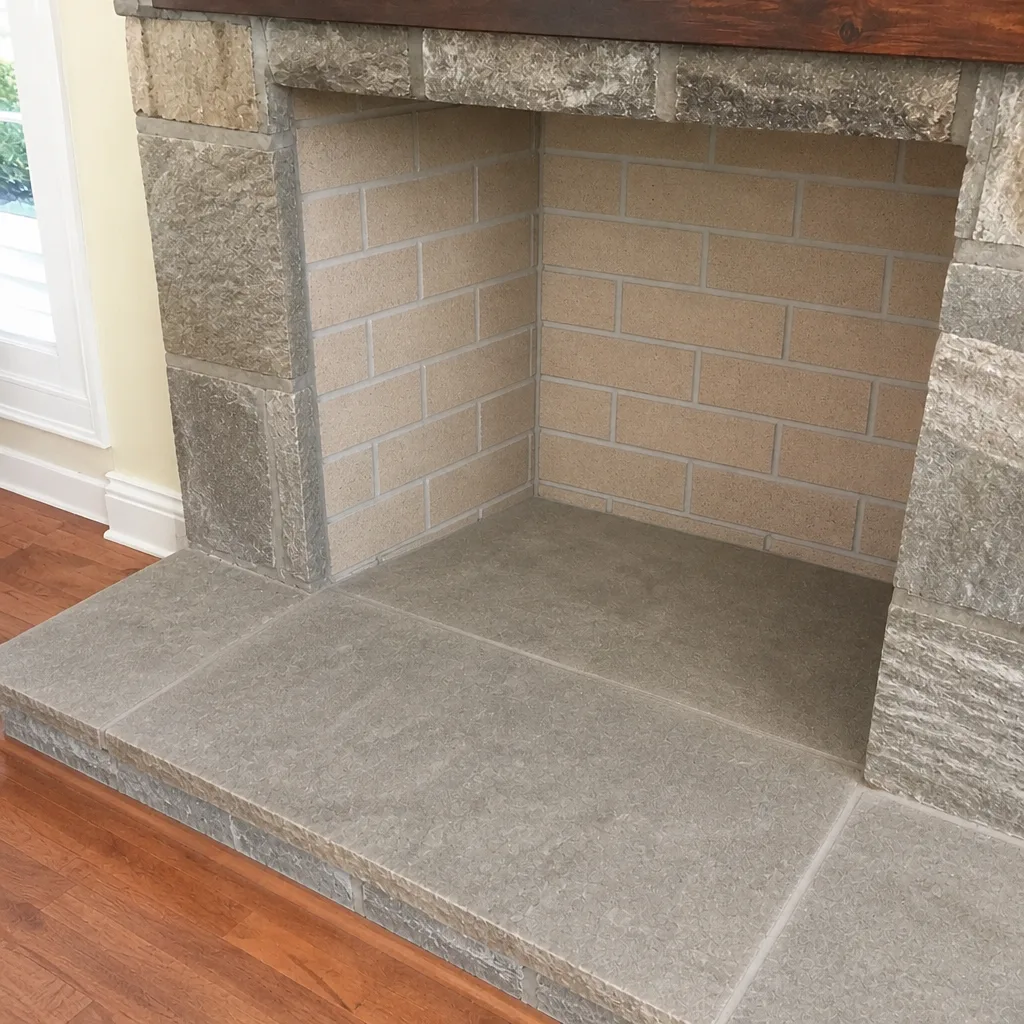
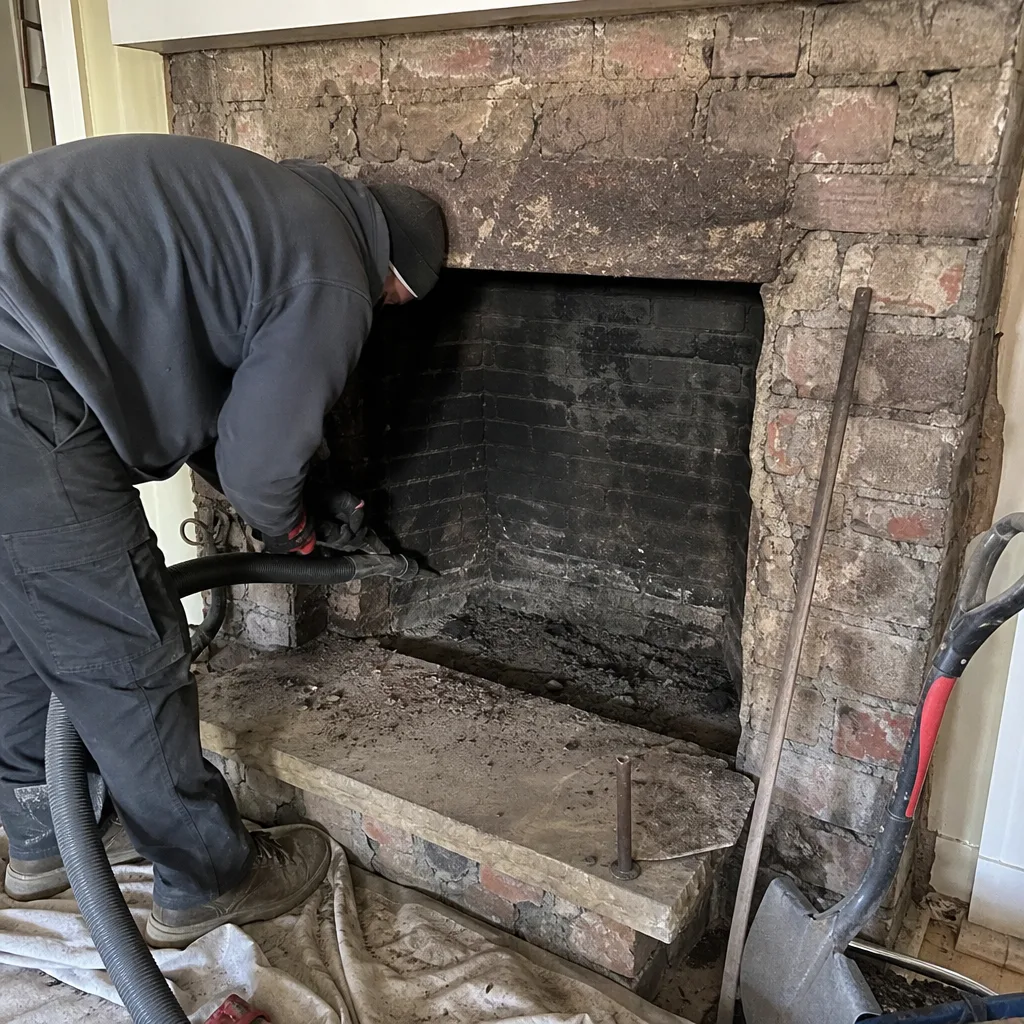
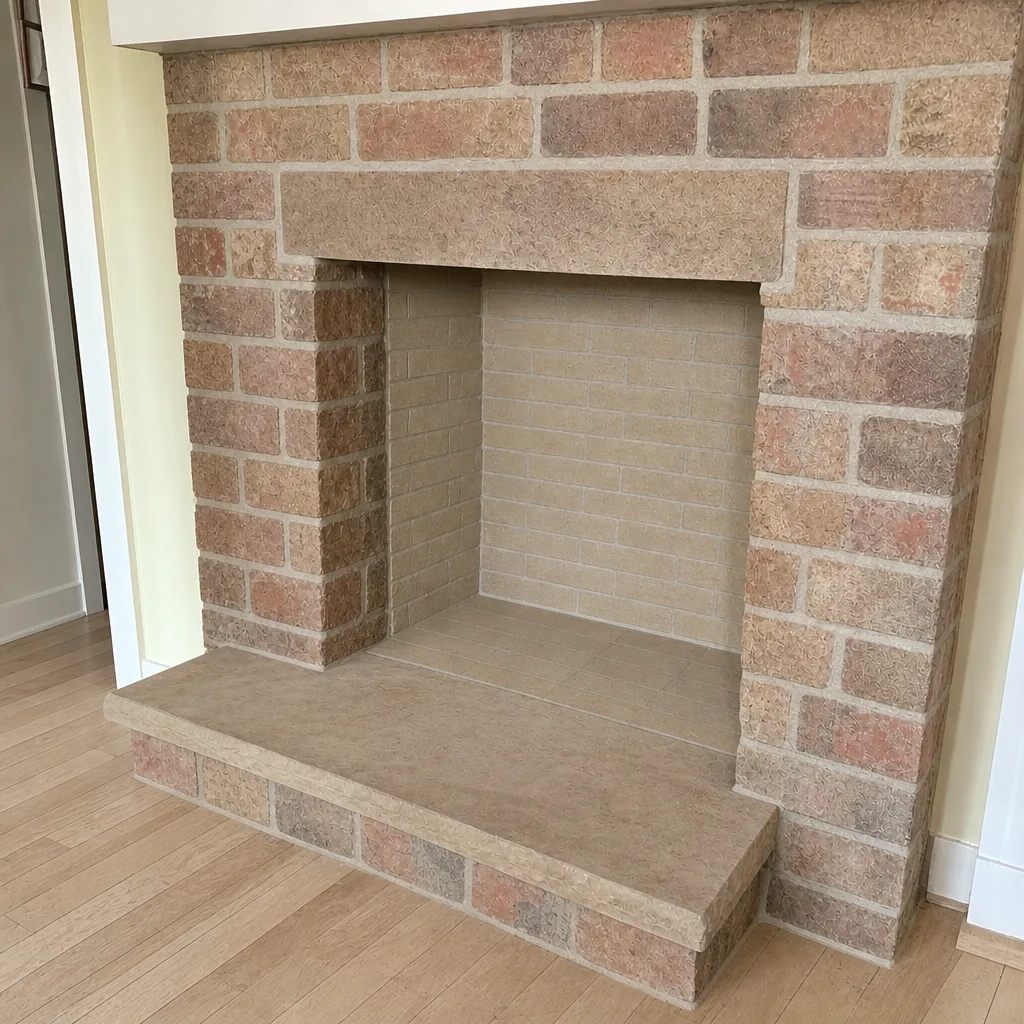
See the difference
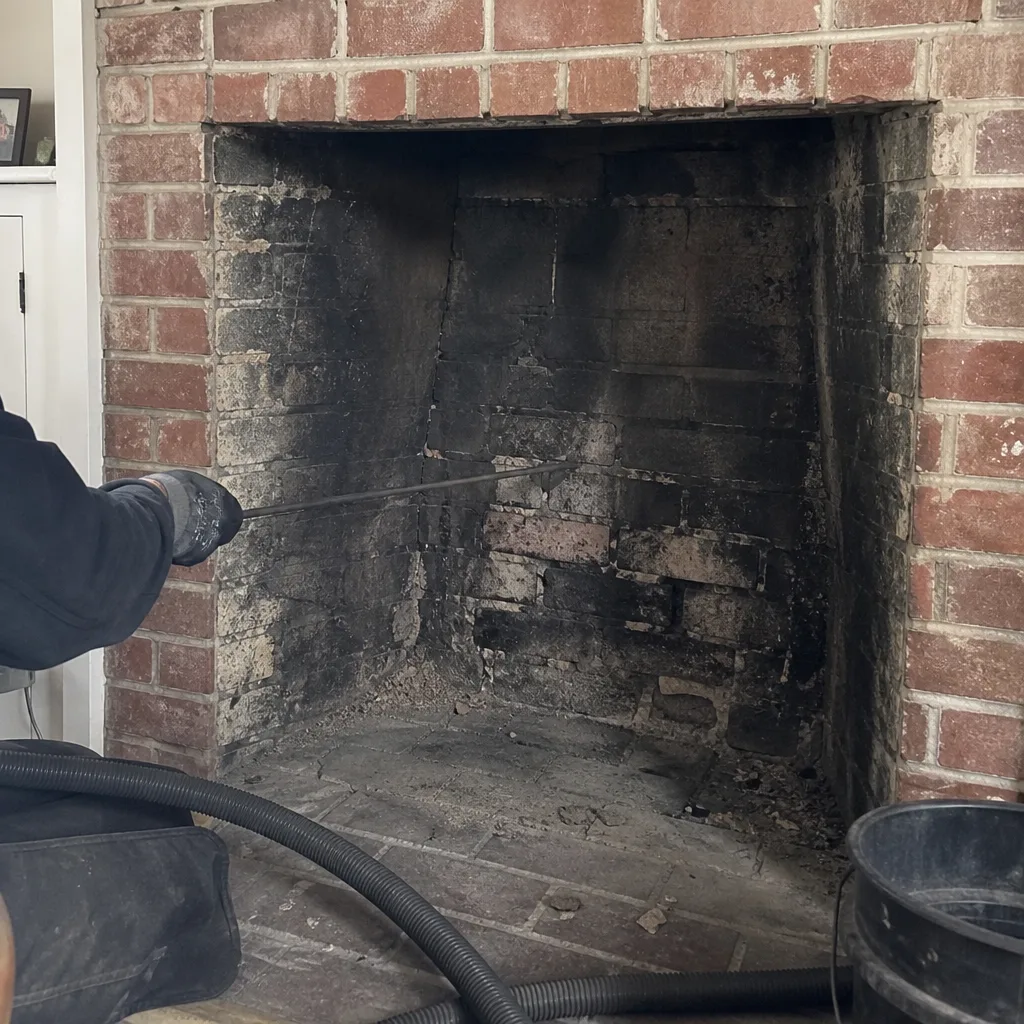 Before
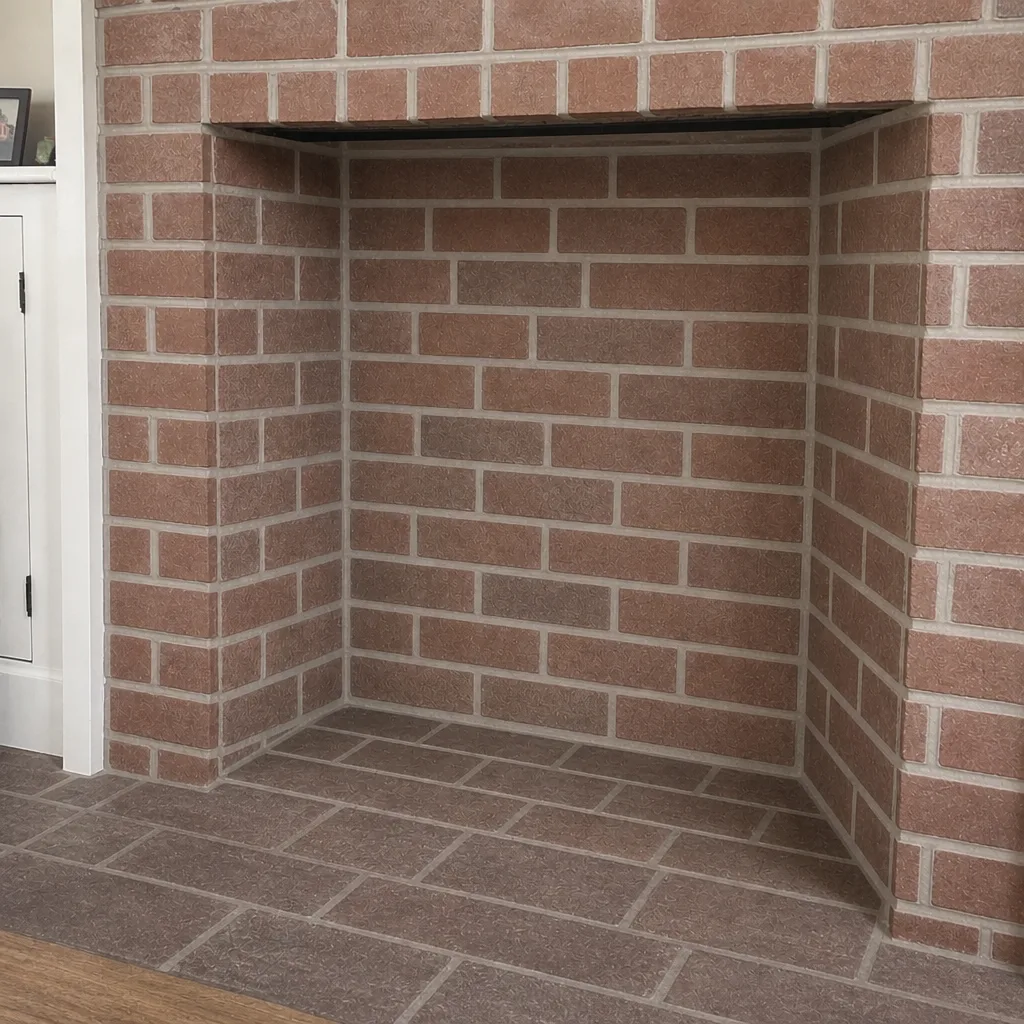 After
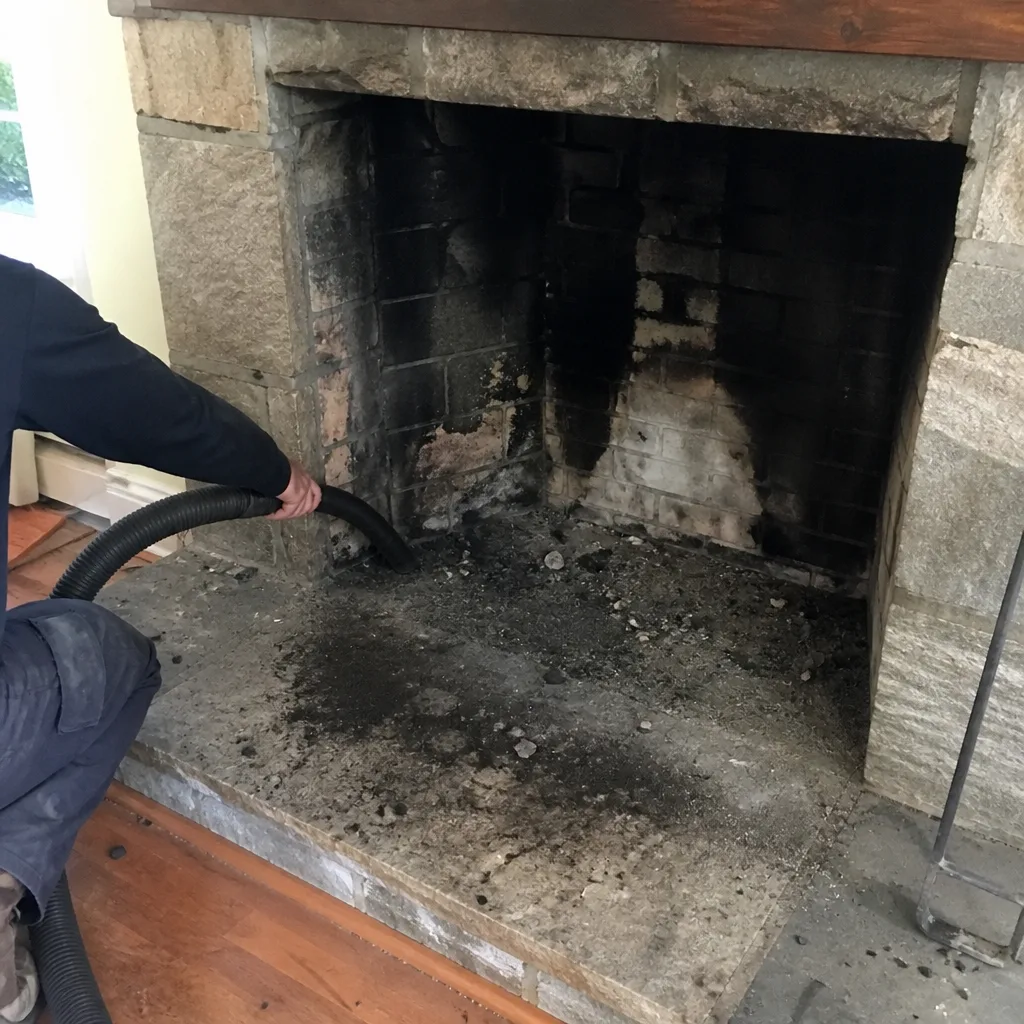 Before
 After
 Before
 After
Frequently Asked Questions
At least once a year, and more often if you burn daily or use unseasoned wood. The “once a year” rule works for a fireplace used a few times a week. A rowhouse with a wood stove running every day from November through February should get a fall sweep plus a mid-season inspection. The right interval depends on your fuel and burn frequency, and a professional can tell you what your flue actually needs after looking at it. If you burn daily or want a mid-season check, call (833) 432-4886. We answer 24/7, with fast dispatch from 7am to 7pm, Sunday through Friday.
Skipping a year lets creosote build and lets small problems grow. Creosote is fuel, and a heavy creosote deposit creates a fire risk. A cracked cap or a failed damper lets moisture in, which damages the liner and the masonry over the summer. Skipping a season is not a guaranteed disaster, but the risk rises and the eventual repair gets larger. An annual sweep is the cheapest part of chimney ownership. Call (833) 432-4886 for a free estimate.
Yes, if the flue is unlined, cracked, or serving a stove that was installed after the original construction. The liner protects the surrounding masonry from heat and gases and keeps carbon monoxide out of the house. Older Fishtown rowhouses often have unlined flues or clay tile that’s cracked. A DuraFlex flexible liner is the usual retrofit solution in older homes where a rigid liner won’t fit. We’ll show you the condition of the liner and explain the options before recommending anything. Call (833) 432-4886 for a free estimate.
The smell is creosote residue absorbing moisture from the humid Philadelphia air. The creosote from last season sits in the flue, pulls in damp air, and gives off a sour, smoky odor that comes into the living space. The fix is a sweep to clear the residue, plus ensuring the damper seals and the cap is intact. Closing off the flue is not a fix; it just traps the moisture. Call (833) 432-4886 for a free estimate.
No, not safely, and not thoroughly. A homeowner brush kit can’t reach the top of the flue properly, can’t assess creosote stage, and can’t identify a cracked liner. The work involves heights and the risk of disturbing a blockage or a liner. A trained chimney sweep has the tools and the experience to clean the flue and check its condition. Our technicians have up to 13 years of experience. Call (833) 432-4886 for a free estimate.
Stop using the fireplace until it’s repaired if the break allows water or animals in, and call for a repair. A damaged cap lets rain into the flue and can let birds or animals nest inside. A temporary fix is not the answer in a Philadelphia fall; it needs a proper cap. We install Gelco and Famco caps that hold up in this climate. Call (833) 432-4886. We answer 24/7. Fast dispatch from 7am to 7pm, Sunday through Friday.
The Bottom Line
The fall sweep is still the most important single task of the year, and you should keep it. But it’s one piece of a year-round schedule, not the whole of it. Spring is when winter damage shows up and water entry starts. Summer is when moisture and odor build in a closed flue. Fall is the pre-season check that catches everything before it matters. Winter is when the problems show up while you’re using the chimney, and a mid-season inspection is worth the call. Fishtown chimneys, in shared rowhouse stacks and a freeze-thaw climate, wear faster than the generic advice assumes. Four looks a year, named materials, and one company covering the whole system from sweep to rebuild. That’s Chimney Sweep Fishtown. Call (833) 432-4886 for a free estimate. We answer 24/7, with fast dispatch from 7am to 7pm, Sunday through Friday.
Written by the team at Chimney Sweep Fishtown.