
Last updated November 22, 2026
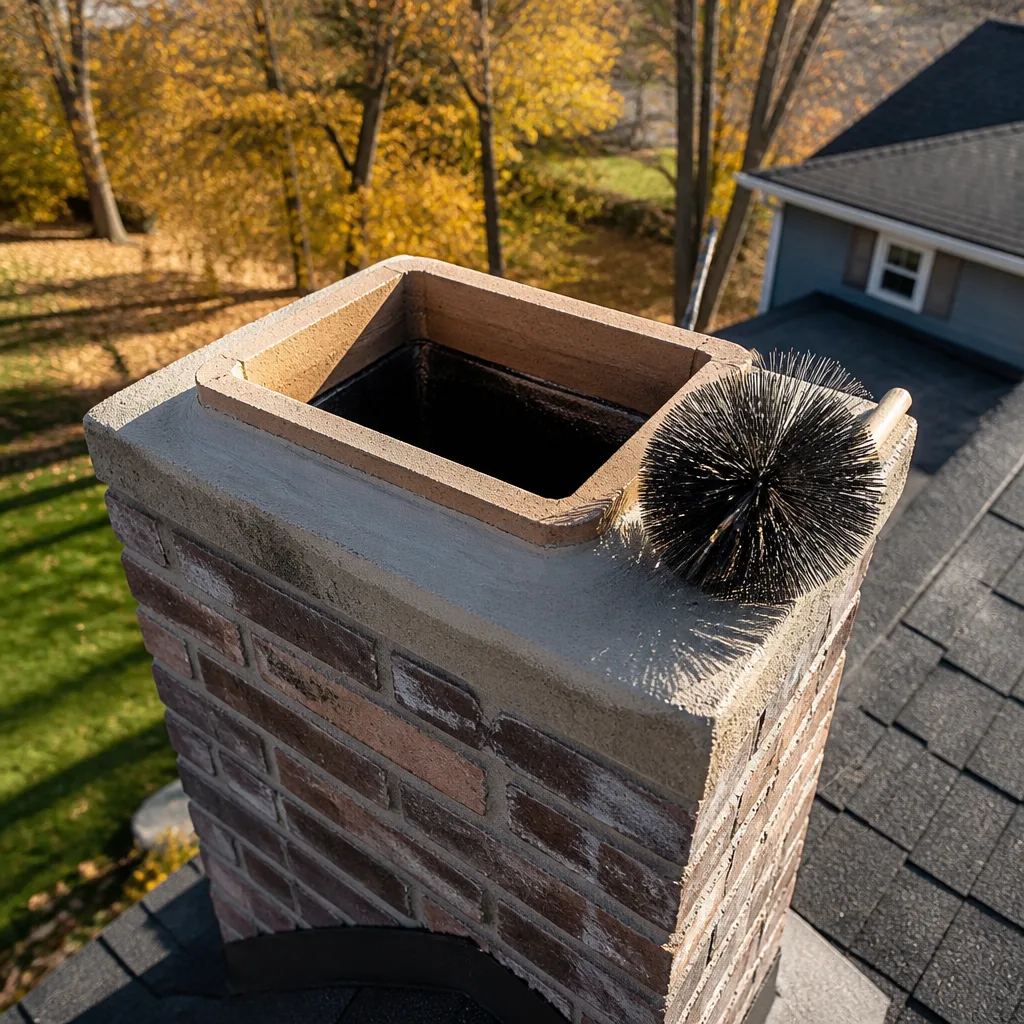 Sweep & inspection
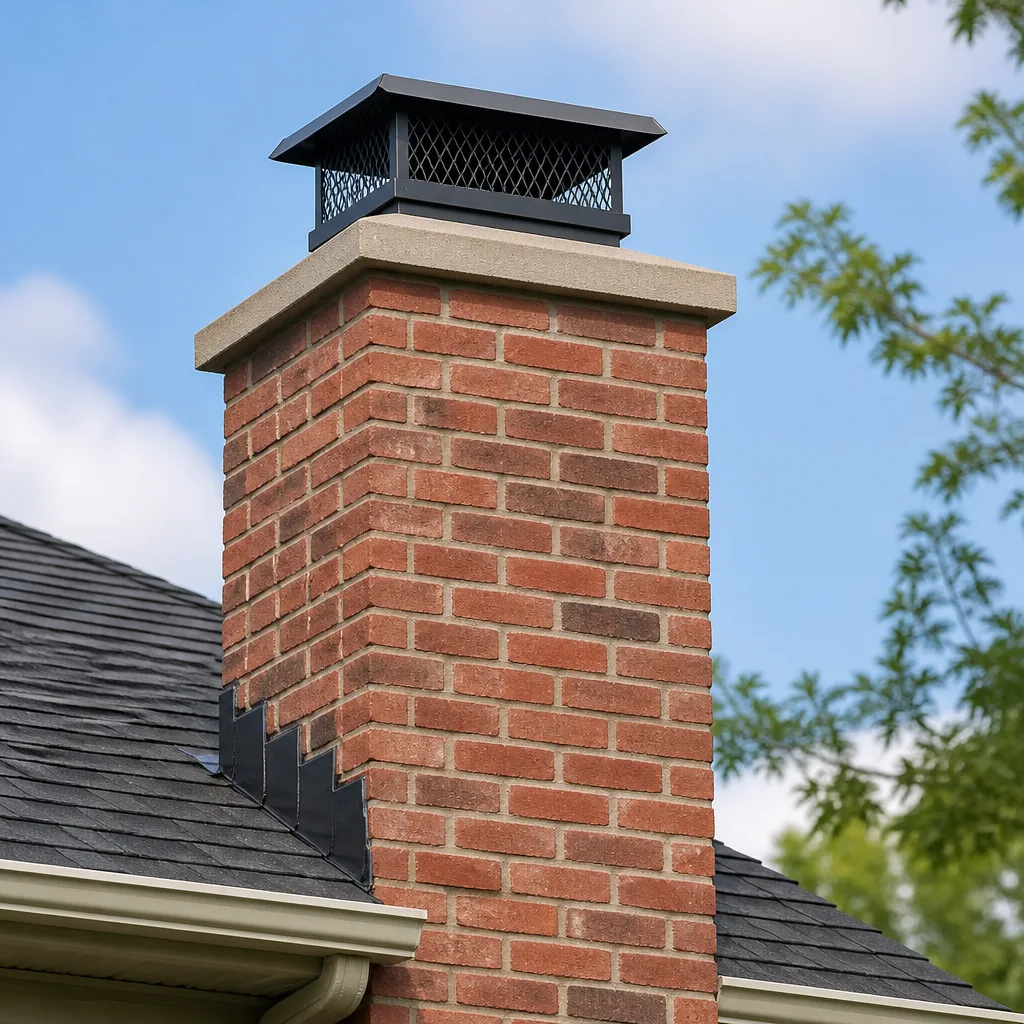 Caps & crowns
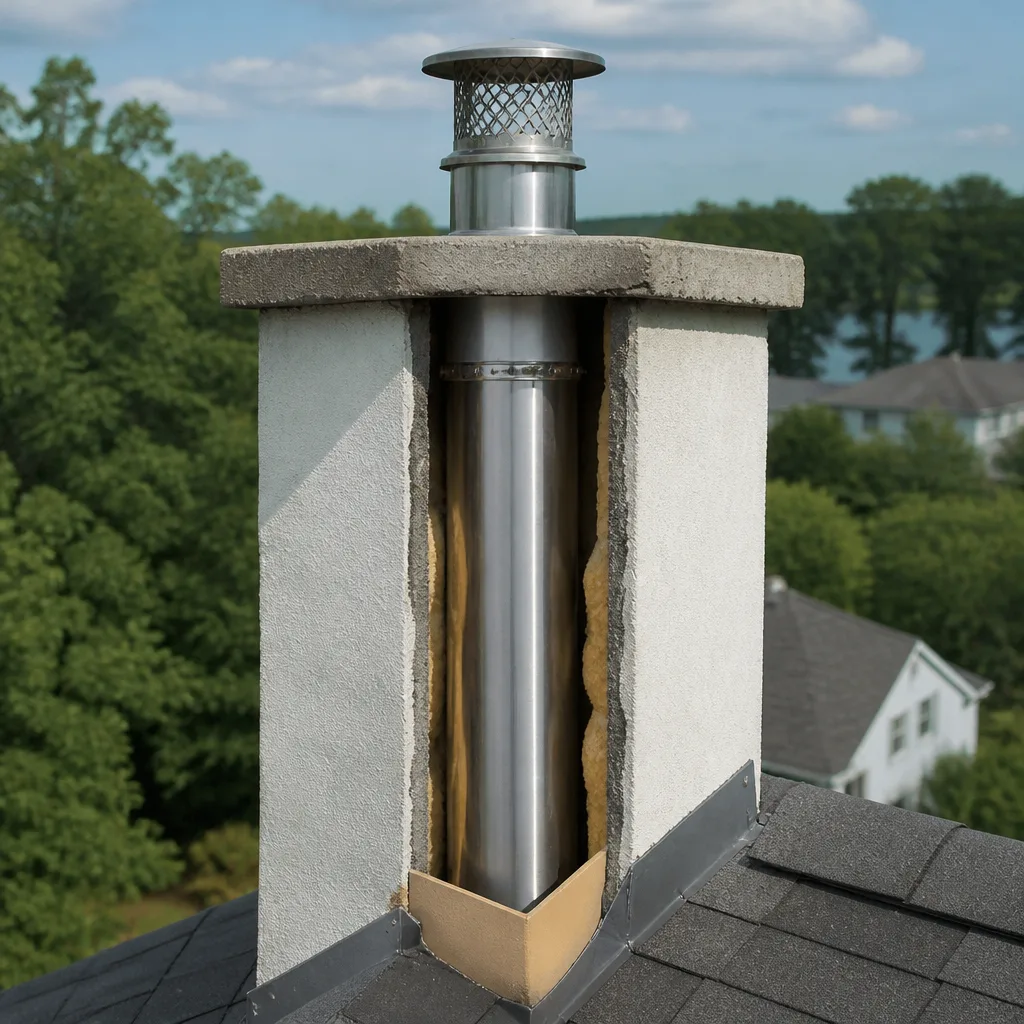 Flue relining
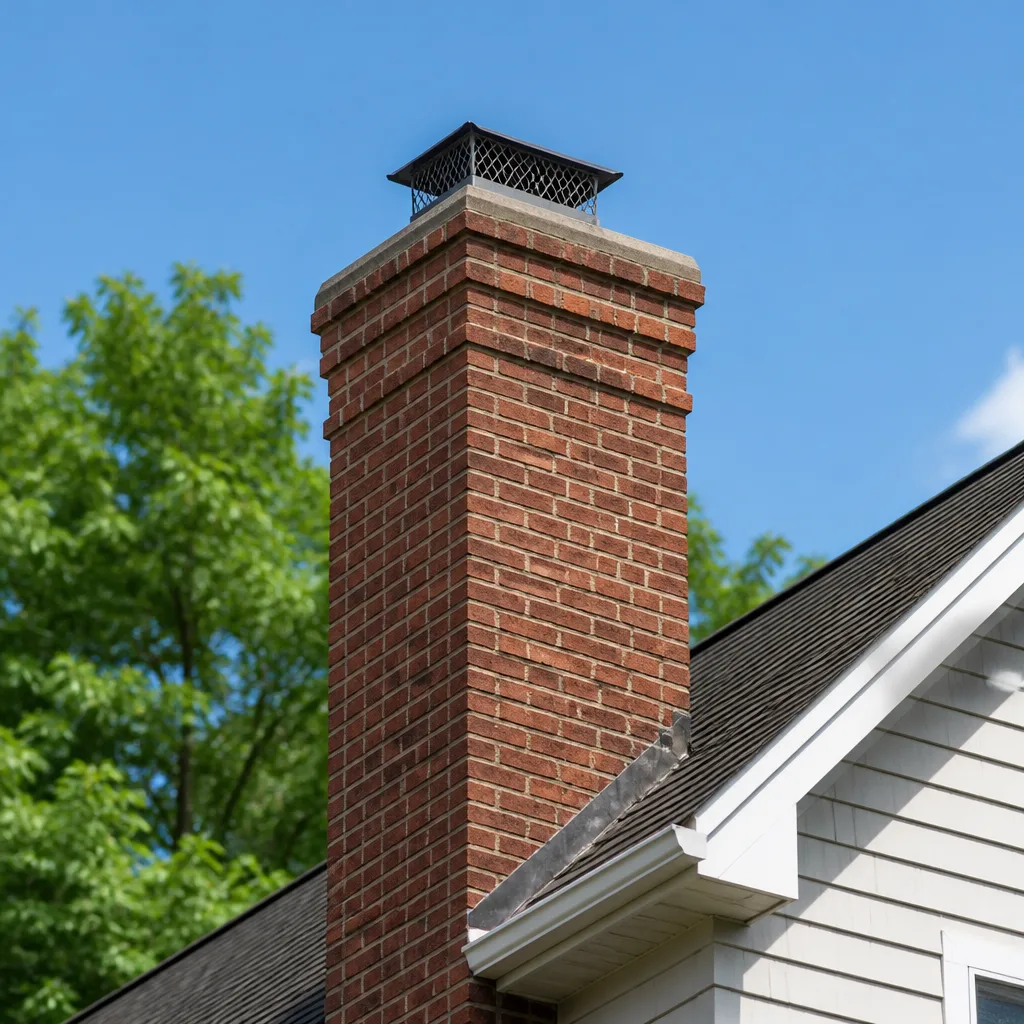 Masonry repair
 Gas fireplace service
Level 1 sweep and inspection to the NFPA 211 annual standard - flue, crown, cap, and flashing checked and photographed
Chimney sweep logs do not sweep chimneys. They loosen some creosote - which then falls where a brush and vacuum still have to collect it.
Chimney Sweep Maintenance Checklist for Fishtown Homeowners
There are seven things you can check on your Fishtown chimney from inside the house before a sweep ever shows up, and three of them are better predictors of serious problems than anything visible at the roofline. That surprises most homeowners, who assume the chimney tells its story from the street. It doesn’t. The firebox mortar, the damper, the smoke chamber staining and the way your house smells in July say more about what’s happening inside the flue than a quick glance at the cap ever will. This guide splits chimney maintenance into two honest halves: what you can verify yourself, and what needs a trained sweep with camera equipment. By the end you’ll know what to check, when to check it, and how to read a written service report so you’re never guessing whether a repair is real.
Quick Answer
A Fishtown chimney needs a professional sweep and inspection once a year if you burn wood regularly, with a camera inspection of the liner and a written report documenting liner condition, clearances, and cap and crown status. Between professional visits, homeowners should check firebox mortar, damper operation, smoke chamber staining and seasonal odors themselves. Maintenance intervals shift by fuel type: wood needs annual sweeping, gas and oil need annual inspection even though they produce far less creosote. Call (833) 432-4886 for a free estimate.
Styles & brands we work with
- Sweep & inspection
- Caps & crowns
- Flue relining
- Masonry repair
- Gas fireplace service
Table of Contents
- Why Fishtown rowhouse chimneys fail differently
- The seven inside-the-house checks you can do yourself
- What to look for on the crown and cap from street level
- What a sweep should document in writing after every visit
- Maintenance intervals by fuel type: wood, gas, oil
- How to read a sweep’s report and prioritize repairs
- A seasonal maintenance calendar for Fishtown
- When a chimney problem becomes a safety issue
Why Fishtown rowhouse chimneys fail differently
Fishtown’s housing stock is dominated by 19th-century rowhouses, and those chimneys were built for a different era of heating. Many were designed as shared stacks serving multiple flues, sometimes for coal, sometimes for wood, sometimes for both across a building’s life. That history matters because the failure points are structural and shared, not just cosmetic. A cracked crown on a suburban chimney is a paving-stone-sized problem. A cracked crown on a Fishtown rowhouse can send water into a stack that runs alongside a neighbor’s flue, and the damage doesn’t stop at your property line.
Dense blocks mean limited rooftop access in some cases, and shared party walls mean a chimney repair on one side can affect the structural integrity of the other. We’ve seen rowhouse stacks where decades of deferred repointing at the roofline let water into the masonry, and the interior staining showed up two floors below the actual breach. That’s why a Fishtown checklist has to start with what’s happening inside the house and work outward, not the other way around.
Climate plays a role too. Philadelphia’s freeze-thaw cycles in winter work on masonry the way a chisel works on stone: water gets into a hairline crack, freezes, expands, and widens the crack a little more each season. Spring and fall rain then finds the new opening. A chimney that looked fine in October can show real spalling by March. This is why the annual inspection timing matters. Late summer or early fall, before burning season starts, catches the damage from the previous winter while it’s still small. Fishtown chimneys that get checked in September are the ones that don’t surprise their owners in January.
The other Fishtown-specific factor is age of the liner system. Many older rowhouses still have clay tile liners, and clay tile cracks. Some have no liner at all, which was legal when the house was built. A sweep with a camera can tell you which category your Fishtown chimney is in, and that single fact drives most of the maintenance planning. From there, checkout out our Chimney Sweep Fishtown page. When a clay liner has cracked joints or gaps, restoration with HeatShield ceramic resurfacing is often the right call before a full reline, and it’s a repair most general handymen aren’t trained to apply. Knowing what’s actually in your flue is the foundation of every decision that follows.
The seven inside-the-house checks you can do yourself
These are the checks that don’t require a ladder or a camera, and three of them catch problems earlier than any roofline inspection. Do them once a season, ideally before the first fire of the year and again midwinter. None involve opening anything up or reaching into the flue.
- Firebox mortar condition. Look at the joints between the firebricks. Crumbling or missing mortar, especially at the back wall, is a sign of heat damage and needs professional assessment. Don’t try to patch firebox mortar yourself; the wrong material will fail fast and can hide a deeper problem.
- Damper operation. Open and close the damper fully. It should move smoothly and sit flush when closed. A damper that sticks open, sticks closed, or won’t seal lets heat escape or smoke back into the room. A damper that won’t open is a stop-burning-until-fixed signal.
- Smoke chamber staining. Shine a light up into the smoke chamber above the damper. Heavy black staining or visible soot buildup on the chamber walls tells you the flue isn’t drafting cleanly or hasn’t been swept in a while.
- Odor patterns by season. A chimney that smells strongly in humid summer weather, or a fireplace that smells when it’s not in use, usually has creosote or soot residue combined with moisture. That combination is worth a professional look before fall.
- Draft test. Light a small piece of newspaper in the firebox with the damper open and a window cracked nearby. Smoke should go up the flue, not into the room. Smoke spillage means a draft or blockage problem.
- Visible creosote on the flue walls. With a flashlight, look up the flue from the firebox. Glazed, shiny creosote is the dangerous kind and requires professional sweeping before you burn again. Flaky, sooty buildup is more routine.
- Water staining on the firebox or hearth. Rust-colored streaks or damp patches mean water is getting in from above, usually through a failed crown or cap. That’s a roofline problem you’re seeing from the inside.
If any of these checks turn up something, note the date and what you saw. That record will help a sweep understand the progression when they arrive, and it protects you from being sold a repair you can’t connect to a real symptom.
What to look for on the crown and cap from street level
You don’t need to get on the roof to spot the four most common exterior failures, and we’d rather you didn’t. Rooftop work on a Fishtown rowhouse is steep, often slate or asphalt in poor condition, and not a place for a homeowner with binoculars and good intentions. Stand on the sidewalk across the street, use binoculars if you have them, and look for these:
- Crown cracks. The concrete or mortar slab at the very top of the chimney should be intact, sloped away from the flue, and free of visible cracks. Any crack wider than a hairline is letting water in.
- Cap condition. The metal or masonry cover over the flue should be attached, level, and free of rust-through or missing screen. A missing cap means rain, birds and debris go straight into the flue.
- Spalling brick or flaking mortar. Look for brick faces that have popped off or mortar joints that have receded. This is the freeze-thaw damage described earlier, and it accelerates once it starts.
- Lean or separation. A chimney that leans, or that has pulled away from the roofline at the flashing, needs a professional assessment quickly. Do not wait on this one.
From street level you can also see whether your neighbor’s chimney has a cap and whether the shared stack above the roofline looks consistent. In dense Fishtown blocks, a repair on one rowhouse often reveals a similar issue next door, and it’s worth knowing whether the chimney you’re looking at is a single-flue stack or part of a shared system.
What you can’t see from the street is the interior of the flue, the condition of the liner, or whether the crown has separated from the flue on the far side. That’s why the exterior check is a starting point, not a verdict. When the cap or crown needs work, we stock and install Gelco and Famco caps and covers, professional-grade brands you can look up yourself rather than anonymous hardware-store substitutes. If you spot a problem, our chimney cap & crown service covers repair and replacement from the roofline down to the flashing.
What a sweep should document in writing after every visit
A sweep who leaves without handing you a written report has done half the job. The report is the difference between knowing the condition of your chimney and guessing at it, and it’s what you’ll compare against next year to see whether anything has changed. The camera inspection and photo report should be included in the service, not offered as an add-on. Here’s what a proper written report should cover:
- Liner condition. Type of liner (clay tile, stainless, or none), and the specific condition of each joint or section. Any cracks, gaps, or misaligned tiles should be noted with their location.
- Clearances. The distance between the chimney and any combustible material, checked against what the local code requires. This is a safety finding, and it should be stated plainly.
- Cap and crown status. Whether the cap is intact, whether the crown is cracked, and whether the flashing is sound.
- Creosote level. The degree of creosote buildup found, described so you understand whether it was routine soot or the glazed kind that needs attention.
- Photos. Before-and-after photos from the camera, so you can see the liner yourself rather than taking anyone’s word for it.
- Recommended repairs with priority. What needs doing now, what can wait a season, and what to monitor. A report that lists everything as urgent is a report to question.
Ask for the report before you pay, and read it before you book any follow-up work. The written record is your leverage. If a sweep recommends a liner replacement, the report should show you the photos that justify it. In our experience, a homeowner who reads the report carefully almost never gets talked into work they don’t need.
Our technicians have up to 13 years of experience, and the reports they produce are built to be read by a homeowner, not filed away. When a liner is cracked or the joints have failed, the right solution depends on the flue: DuraFlex flexible liner systems are the preferred retrofit for older Fishtown homes where rigid liners can’t fit, while HeatShield ceramic resurfacing restores a liner that’s still structurally sound. Both are decisions made from the camera findings, not from a sales script.
Maintenance intervals by fuel type: wood, gas, oil
The annual sweep rule makes sense for wood, but it’s not the right schedule for every Fishtown house. The fuel type drives the creosote load and the failure points, and the interval should change accordingly. Here’s how the intervals differ:
- Wood. Sweep and inspect once a year if you burn regularly, and more often if you burn green or unseasoned wood, which produces more creosote. This is the fuel type that generates the most creosote and the highest chimney-fire risk.
- Gas. Gas produces almost no creosote, but it does produce water vapor and acidic condensate that can corrode a liner and a metal cap over time. An annual inspection still matters, even though a full sweep is often not needed every year. If you switch from wood to gas or add a gas appliance, get the flue inspected before the first use.
- Oil. Oil-fired appliances produce soot and sulfur compounds that can degrade masonry and metal liners. Annual inspection is standard, and the flue often needs more frequent attention than a gas flue.
- Pellet stoves. Treated like wood for creosote purposes. Annual sweeping and inspection, with more frequent attention if the stove runs hard through the winter.
The other variable is usage. A fireplace you light a few times a season needs a different schedule than one that runs most winter nights. A Fishtown rowhouse where the fireplace is decorative gets an annual inspection and rarely a full sweep. A rowhouse where wood is a real heat source needs the annual sweep as a floor, not a ceiling. If you’ve just moved into a Fishtown home and don’t know the history, book a sweep and inspection before the first fire regardless of fuel type. It’s the only way to know what’s in the flue.
One more interval to keep in mind: after any change in the system. A new appliance, a new cap, a liner installation, or a repair at the roofline all reset the clock. Get an inspection after the work is done to confirm the fix, and start the maintenance schedule from there. Our chimney sweep page covers what a routine visit involves and how to book one.
How to read a sweep’s report and prioritize repairs
The real skill in chimney maintenance is knowing which recommendation to act on now and which to write down for later. Most reports sort findings into three tiers, whether or not they use that language. Here’s how to read them.
- Safety issues first. Cracks in the liner, inadequate clearances, a blocked flue, or a damaged firebox are stop-burning findings. Act on these before the next fire, not before the next season.
- Water intrusion second. A cracked crown, a failed cap, or bad flashing lets water into the system and accelerates every other problem. These are not urgent the way a liner crack is, but they get worse every season you wait, and the fix costs less the sooner you do it.
- Efficiency and cosmetics last. A drafty damper, staining on the smoke chamber, or a worn cap screen can wait a season while you budget. Nothing about them is dangerous.
The question homeowners ask us most often is how to tell a real liner recommendation from an upsell. The answer is photos. A liner recommendation should come with camera images of the specific cracks or gaps that justify it, and with a clear answer to what happens if you wait. If the sweep can’t show you the damage, don’t authorize the work. A HeatShield resurfacing recommendation should be tied to a liner that’s cracked or has failed joints but is still structurally sound; if the liner is completely gone, resurfacing isn’t the right fix and a full reline is, and a good report will say so rather than recommend whichever product is easiest to sell.
The report should also tell you honestly when work can safely wait. If your liner is intact, your crown is sound, and your creosote level is routine, the answer might simply be to sweep and schedule the next visit. That’s a legitimate outcome, and a sweep who tells you so is one worth keeping.
A seasonal maintenance calendar for Fishtown
A chimney is not a set-and-forget system, and the calendar that works in Fishtown follows both the burning season and the local weather. Here’s how the year breaks down:
- Late summer (August-September). The best time for the annual sweep and inspection. The damage from the previous winter is visible, the crew schedules are still open, and any repair can be done before the first fire. This is the single most important appointment on the calendar.
- Fall (October-November). Do the inside-the-house checks before the first fire. Firebox mortar, damper operation, draft test. Confirm the cap is in place and the crown is intact before the freezing weather arrives.
- Winter (December-February). Midwinter check for creosote buildup if you’re burning hard. Watch for smoke spillage or a draft that’s worsened, both of which are signals to stop burning and call.
- Spring (March-April). After the last fire, do a post-season look. Freeze-thaw damage from winter shows up here, and spring rain finds any new cracks. This is the second-best time to book an inspection if autumn didn’t happen.
- Summer (June-July). Odor season. A chimney that smells in humid weather has residue or moisture inside. It’s a good prompt to book a sweep before the fall rush.
The calendar is a guide, not a rule. If you burn year-round, or if your firebox condition has changed, adjust. The point is that the two most valuable appointments, the annual sweep and the post-season look, fall conveniently in the shoulder seasons when the chimney is cool and the crew is available.
When a chimney problem becomes a safety issue
Most chimney problems are maintenance issues. A few are safety issues, and those cross a line that means stop burning and call a professional now. Here’s the short list:
- Glazed, shiny creosote in the flue. This is the fuel for a chimney fire. It needs professional sweeping before you burn again, not after.
- A cracked or missing liner with a wood fire. The liner is what keeps the fire inside the flue. Without it, heat reaches combustible material in the structure.
- Smoke backing into the room. A draft reversal or a flue blockage can send carbon monoxide into living space. Open a window, put the fire out if it’s safe to do so, and call.
- Visible separation of the chimney from the structure. This is a structural issue and needs assessment before the next fire.
Chimney fires and carbon monoxide exposure are the two risks that make maintenance matter, and both are preventable with the checks in this guide. A sweep with a camera catches a cracked liner that no amount of inside-the-house checking would find, and a written report gives you the evidence to decide on a repair without guessing. That’s the case for the annual appointment, not the case for panic. Most Fishtown chimneys get swept every year and never have a fire.
For anything on the safety list, don’t test it yourself. High flues, steep rowhouse roofs, and masonry work are all places where a trained professional earns their keep. Our chimney repair service takes on everything from a cracked crown to a full rebuild, and the report from the inspection is what decides the scope.
Common Mistakes to Avoid
- Sweeping only when the chimney smokes. A chimney can be badly fouled and still draft fine. Waiting for a symptom means waiting too long, and the annual sweep exists precisely because the problem builds silently.
- Getting on the roof to check the cap yourself. Fishtown rowhouse roofs are steep and often in poor repair. What you can see from street level with binoculars is enough for the homeowner check; everything above that is a job for a sweep with proper equipment.
- Accepting a liner recommendation without photos. If the sweep can’t show you the cracked joints on camera, don’t authorize the work. This one habit avoids most of the unnecessary-work stories we hear about.
- Assuming gas needs no maintenance. A gas flue produces no creosote but does produce acidic condensate that corrodes the liner and cap. Annual inspection still matters, even when a full sweep doesn’t.
- Skipping the report. A sweep who does a good job but leaves no written record leaves you without the baseline for next year. Ask for the report every time, and keep them together.
- Using a general handyman for liner work. HeatShield resurfacing and DuraFlex liner installation require product-specific training. A generalist may be able to clean a chimney but shouldn’t be your choice for a liner.
- Waiting for spring rain to reveal a winter crack. Book the post-season inspection in spring rather than letting the water find the crack for you. Freeze-thaw damage compounds, and the repair is smaller when it’s caught early.
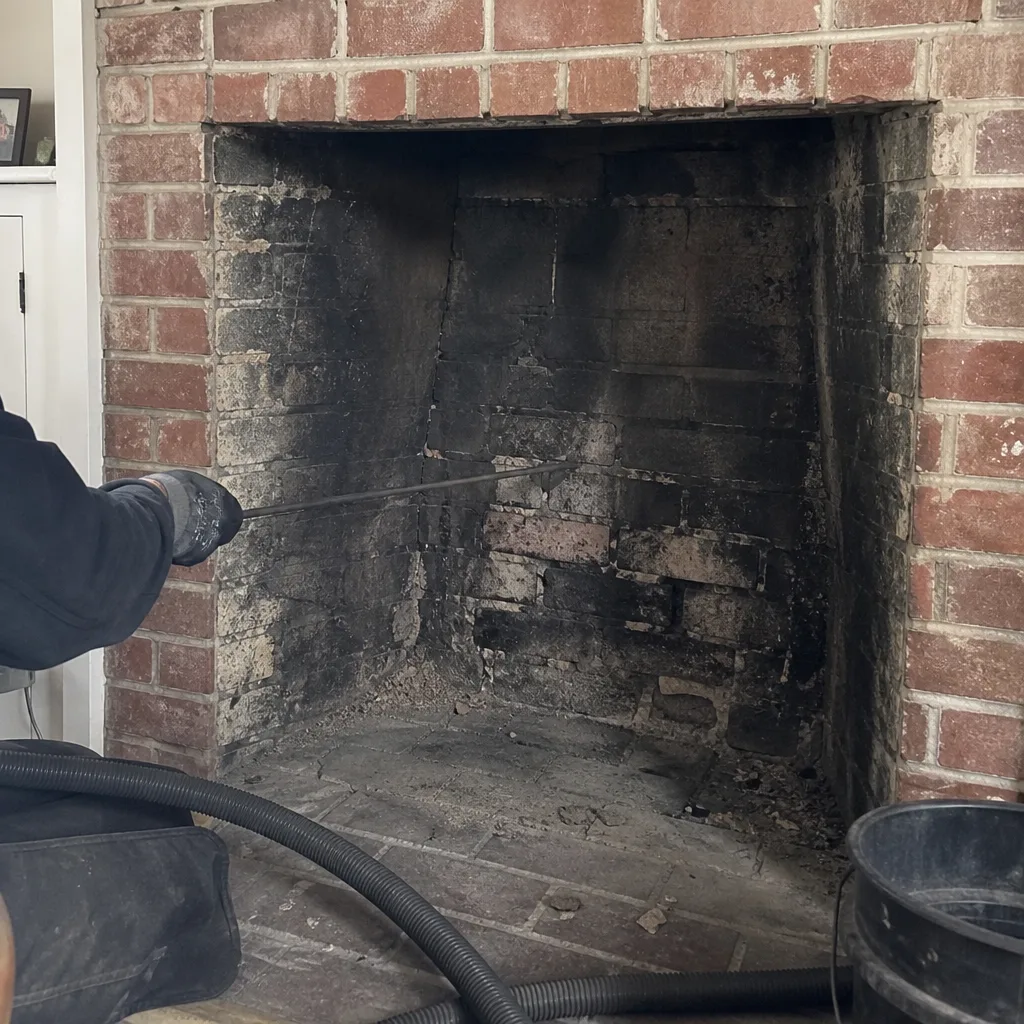
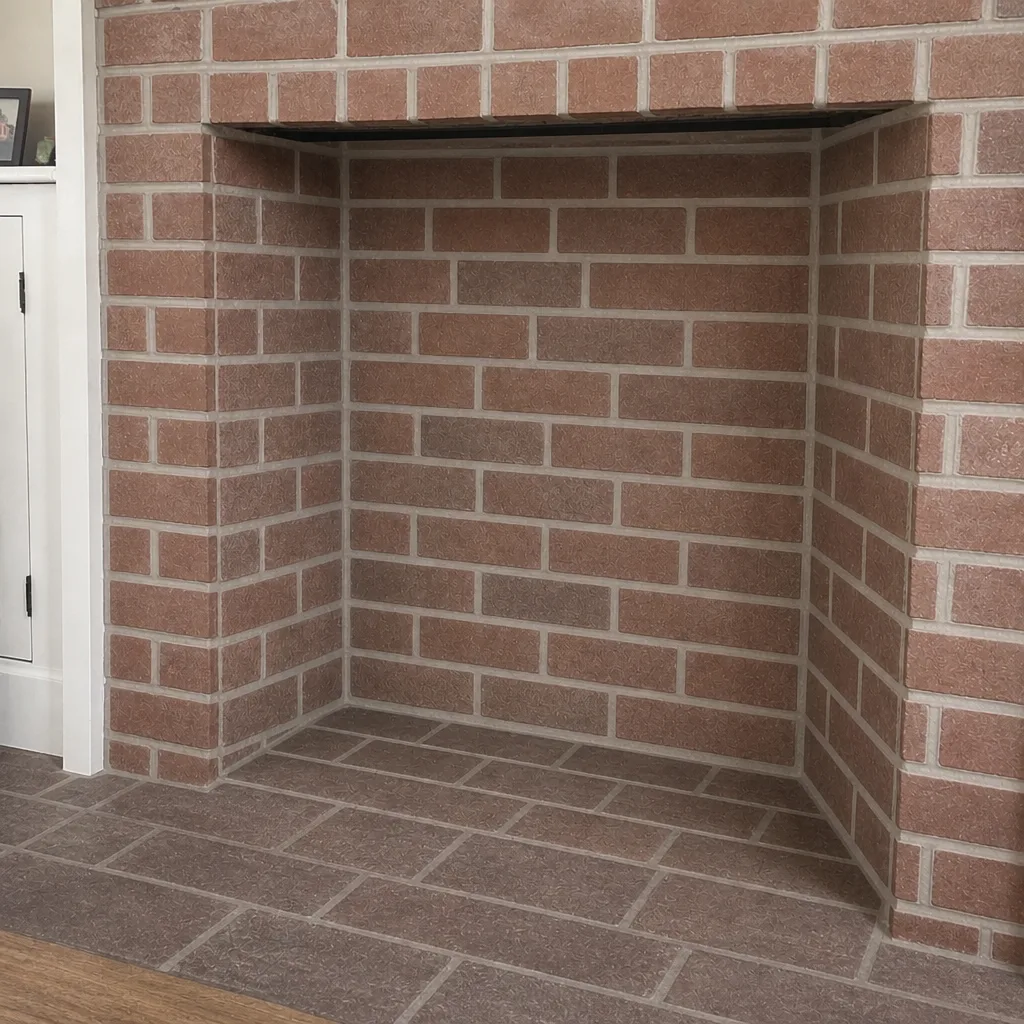
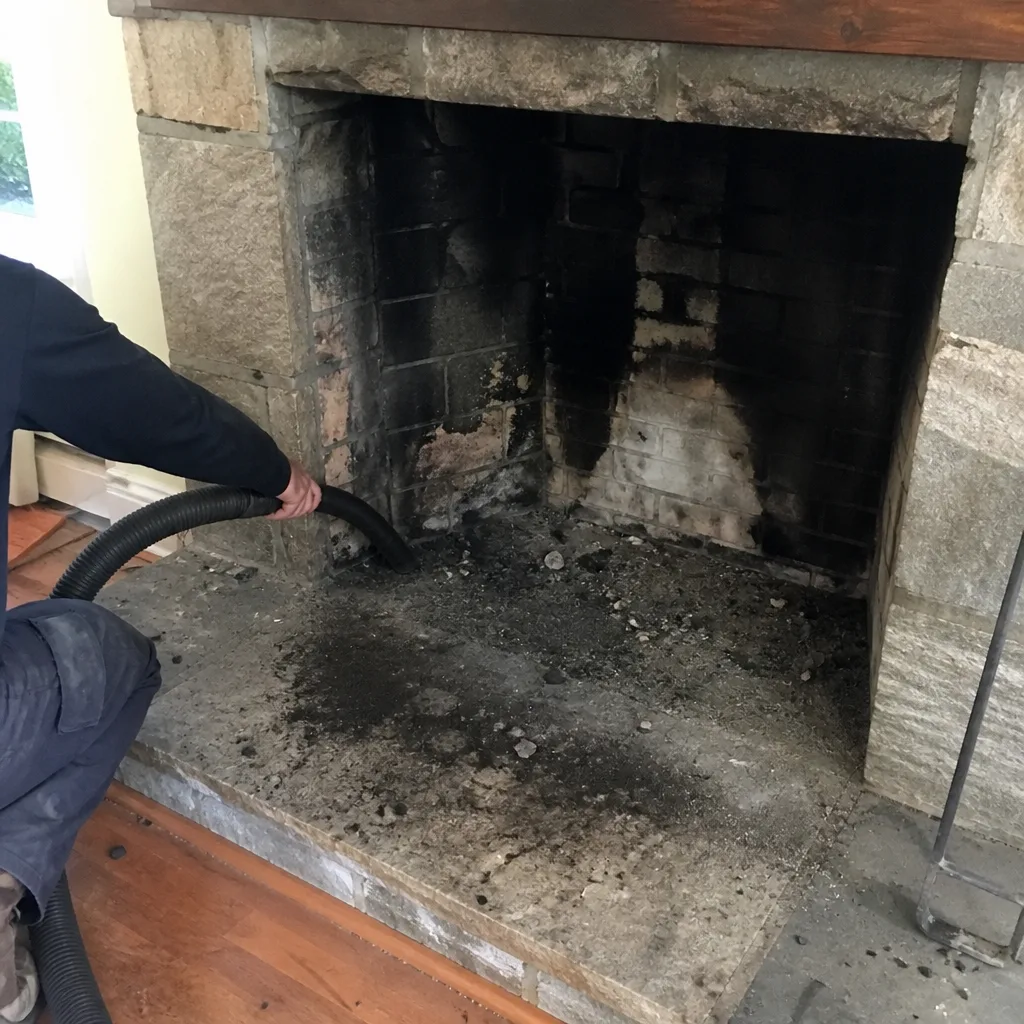
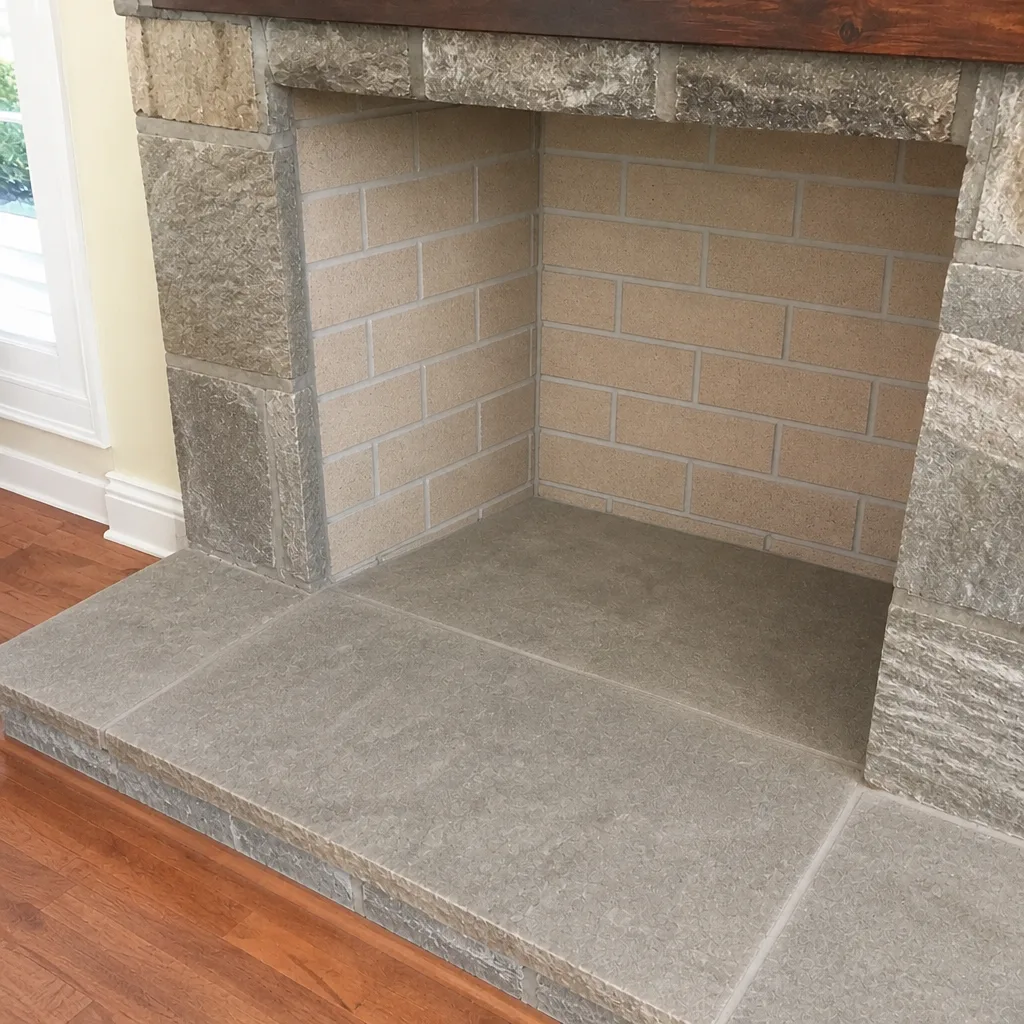
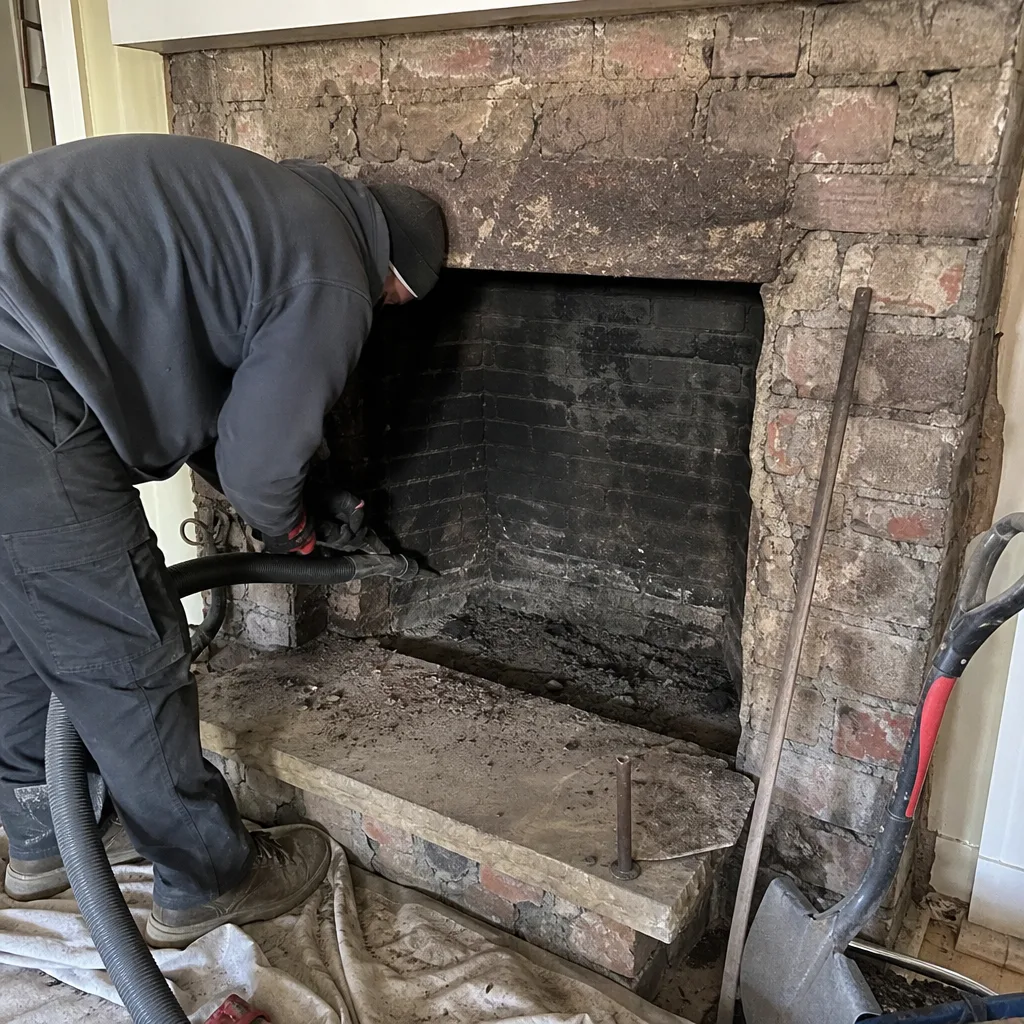
See the difference
 Before
 After
 Before
 After
 Before
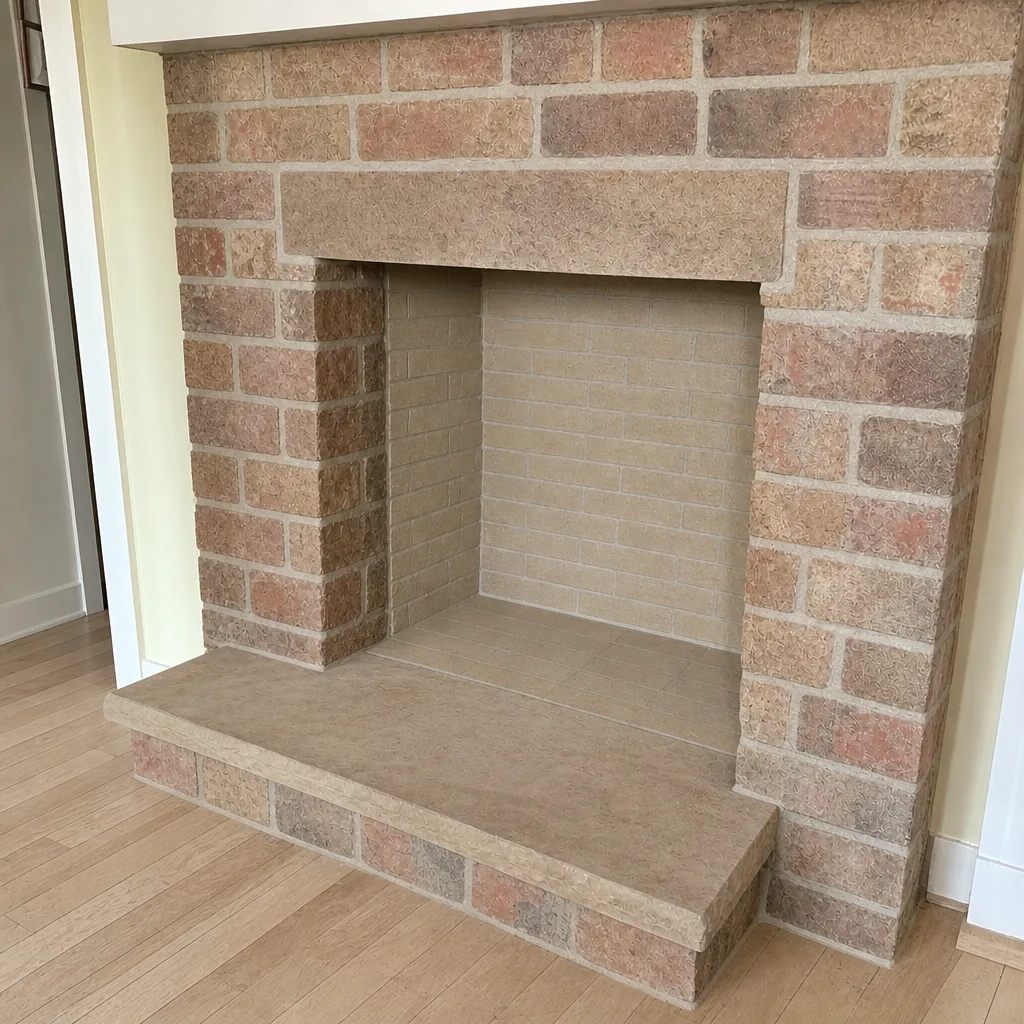 After
When to Call a Professional
Call a professional at the annual sweep, no matter how good the chimney looks from the street. Call sooner if you see glazed creosote in the flue, a cracked or missing liner, smoke backing into the room, or a chimney that leans or has separated from the roofline. Call if you’ve just bought a Fishtown home and don’t know the chimney’s history, or if you’ve changed fuel type or installed a new appliance. Call if your firebox mortar is crumbling, your damper won’t seal, or your chimney smells strongly in humid weather. And call if a sweep ever recommends thousands of dollars of work without showing you the camera evidence. Chimney Sweep Fishtown offers free estimates in Fishtown. Call (833) 432-4886. We answer 24/7. Fast dispatch from 7am to 7pm, Sunday through Friday.
Frequently Asked Questions
Once a year if you burn wood regularly. That’s the floor, not the ceiling. A fireplace that runs most winter nights may need more frequent attention, and a decorative fireplace that sees a few fires a season needs an annual inspection but often not a full sweep. Gas and oil systems need an annual inspection every year even though the creosote load is much lower. Call (833) 432-4886 for an exact quote. Estimates are free.
Firebox mortar condition, damper operation, smoke chamber staining, and seasonal odor patterns. Those four catch more serious problems than anything visible from the street, and three of them are earlier warning signs than a roofline check. Add a draft test with a small newspaper fire, and a flashlight look up the flue for glazed creosote. If any of them turn up something, note it and book a sweep.
Only if the camera shows cracks, gaps, or failed joints in the existing liner. A liner recommendation should come with photos of the specific damage and an honest answer to what happens if you wait. If the liner is intact and the creosote level is routine, you don’t need one. HeatShield resurfacing can restore a liner that’s cracked but structurally sound; a full reline is for a liner that’s gone. Call (833) 432-4886 for an inspection. Estimates are free.
Creosote builds up in the flue, and the glazed kind is the fuel for a chimney fire. A blocked or damaged flue can also let carbon monoxide into living space. Most years, skipping the sweep costs you a bigger cleaning bill and a smaller repair that grew into a larger one. Some years it costs more. The annual appointment is cheap insurance against both.
Yes, annually. Gas produces no creosote, but it does produce water vapor and acidic condensate that corrodes the liner and the metal cap over time. A gas flue can look fine and have a failing liner underneath. An annual inspection catches it before the corrosion reaches the masonry, and it’s why we don’t skip gas systems on the maintenance calendar.
Ask for the camera photos. A real recommendation is backed by images of the specific damage, with the location noted in the written report. If the sweep can’t show you the crack or the failed joint, don’t authorize the work. A good report also tells you what can safely wait a season, and a sweep who says so is one worth keeping. Call (833) 432-4886 for a second opinion. Estimates are free.
The Bottom Line
A Fishtown chimney needs the same annual sweep any chimney needs, but the checklist around it is different because the housing stock is different. Check the firebox mortar, damper, smoke chamber and seasonal odors yourself. Check the crown and cap from street level with binoculars. Book the annual sweep for late summer, and ask for the written report with camera photos every time. Read the report in tiers: safety first, water intrusion second, efficiency last. When a repair is recommended, make sure the photos justify it. The technicians who do this work have up to 13 years of experience, and the point of all of it is simple: know what’s in your flue before the first fire, not after. Call (833) 432-4886. We answer 24/7. Fast dispatch from 7am to 7pm, Sunday through Friday.
Written by the team at Chimney Sweep Fishtown.