
Last updated November 22, 2026
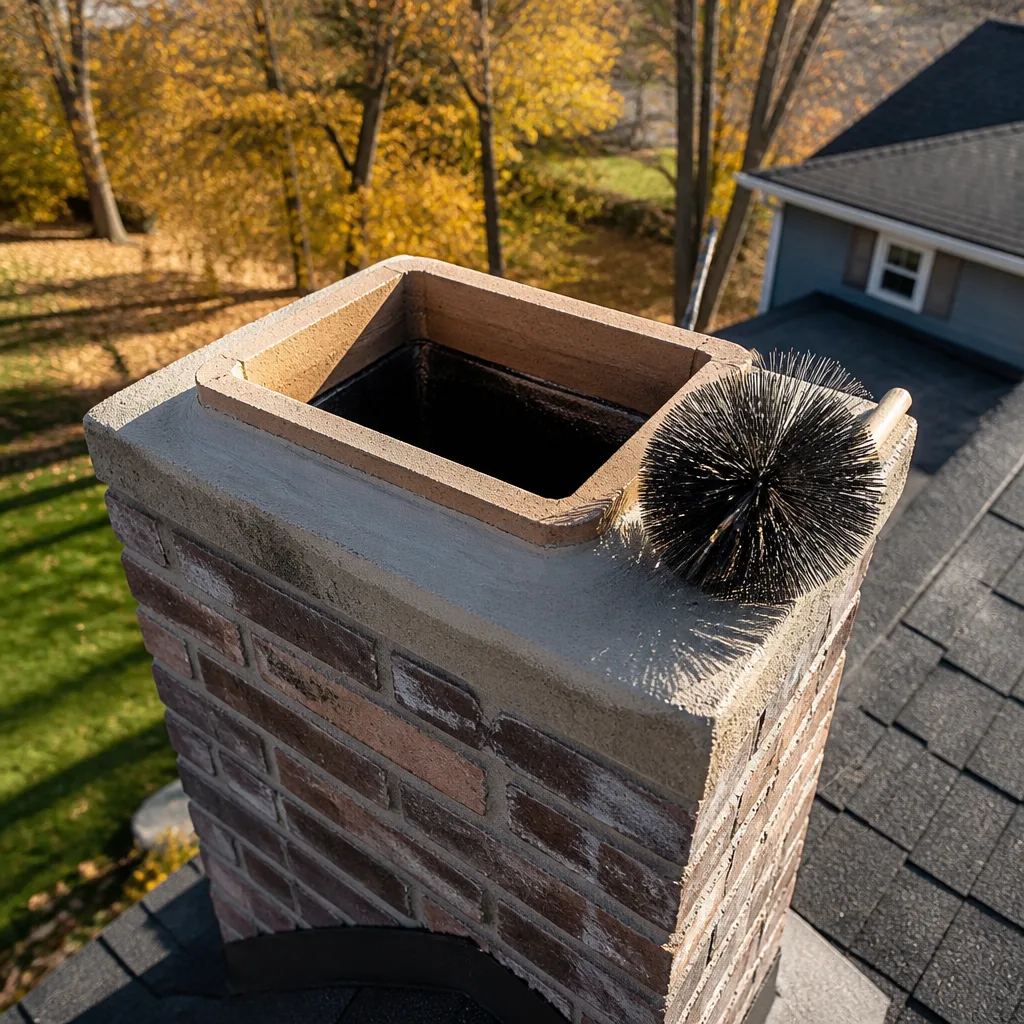 Sweep & inspection
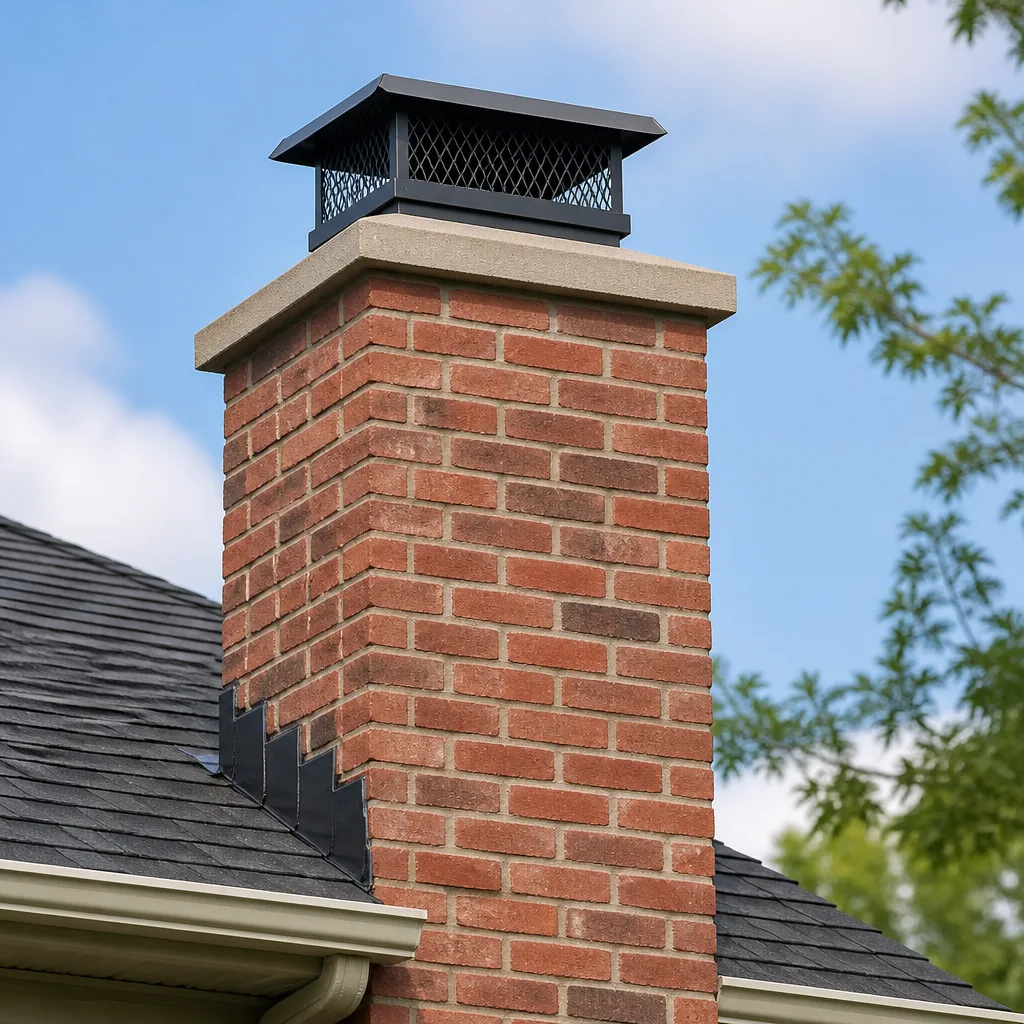 Caps & crowns
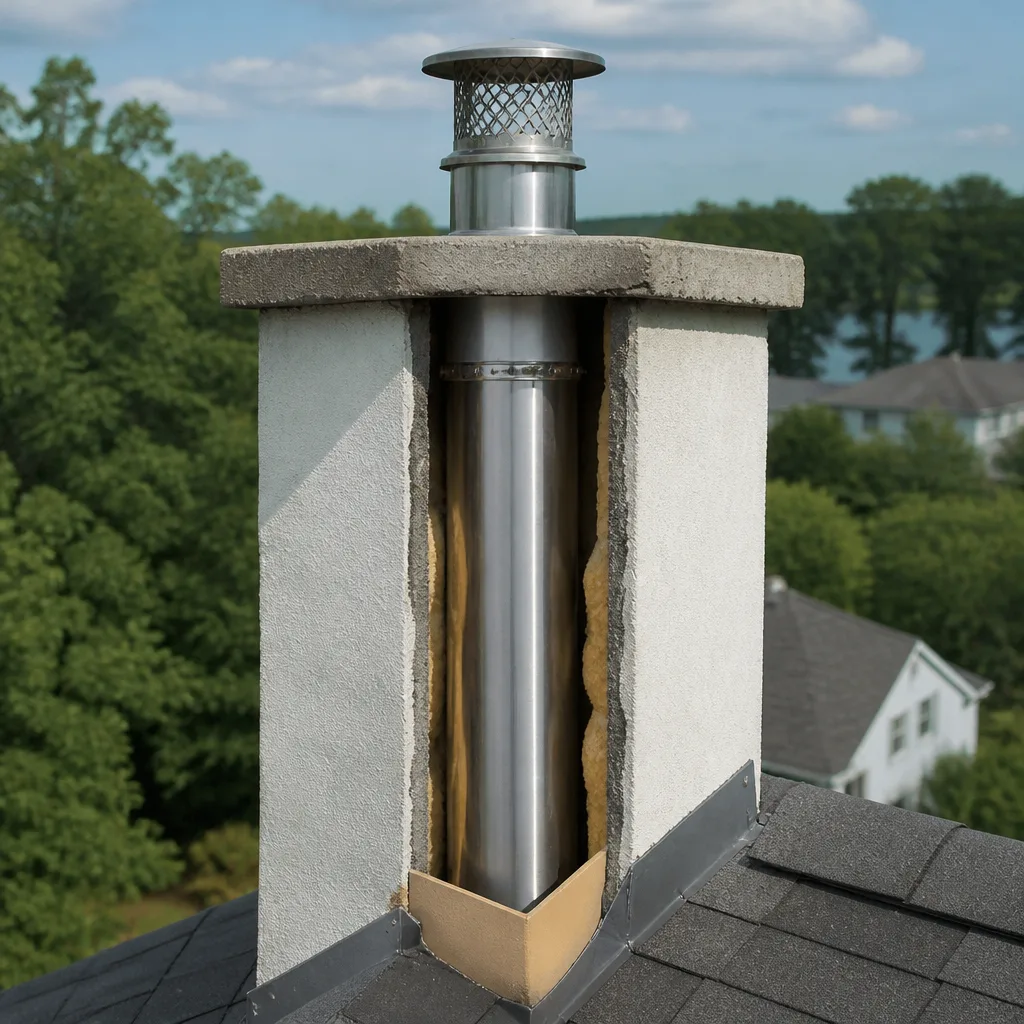 Flue relining
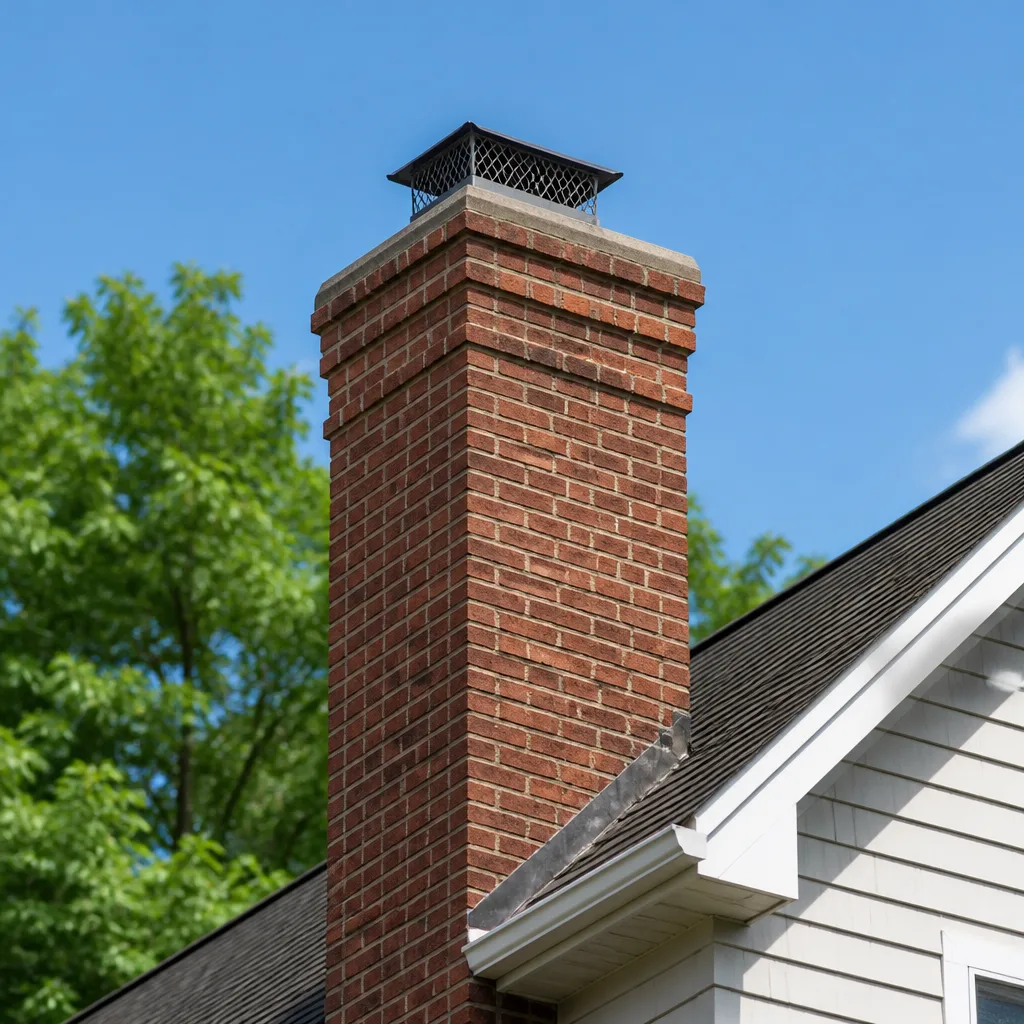 Masonry repair
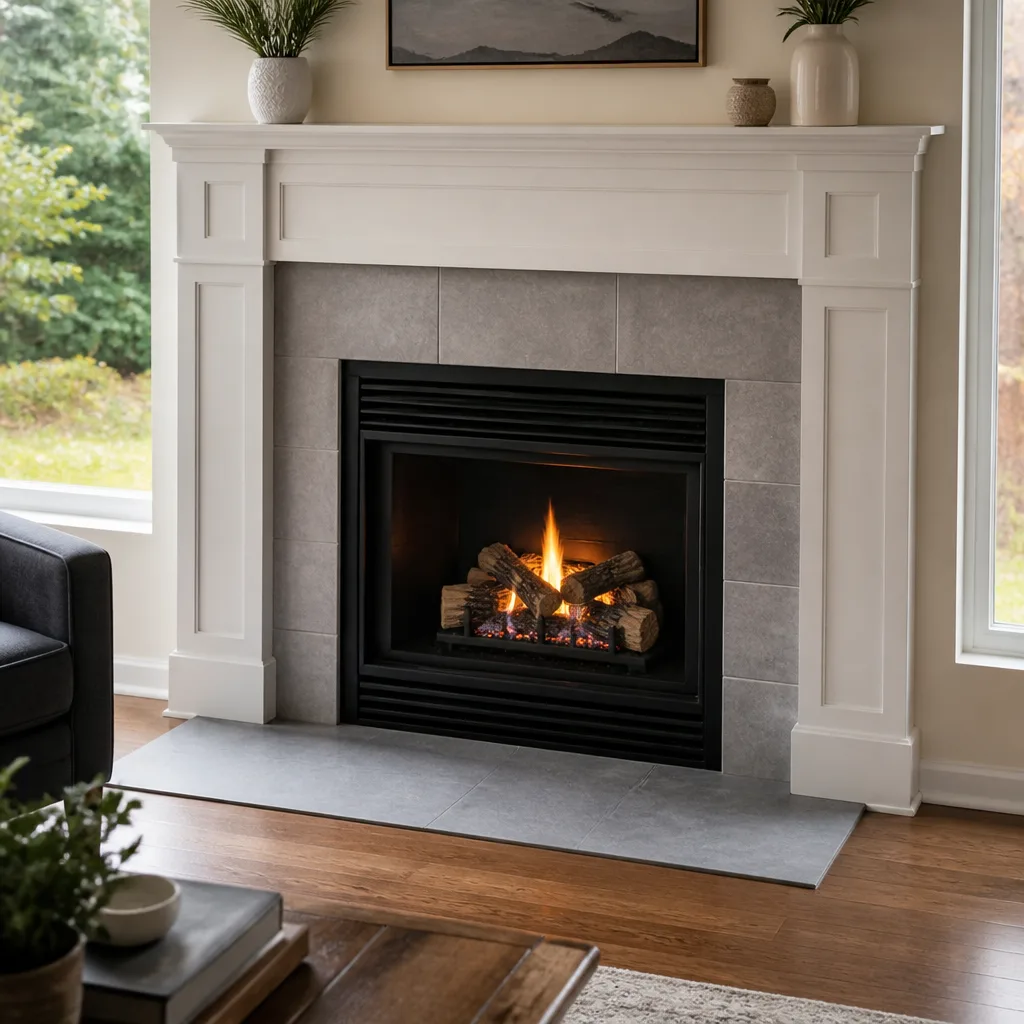 Gas fireplace service
Level 1 sweep and inspection to the NFPA 211 annual standard - flue, crown, cap, and flashing checked and photographed
Chimney sweep logs do not sweep chimneys. They loosen some creosote - which then falls where a brush and vacuum still have to collect it.
The Complete Guide to Chimney Cleaning in Fishtown
Most Fishtown rowhouses went up before 1930, and their chimneys were built for coal. The flues are narrow, the mortar is lime-based, and the stacks share party walls with the house next door. Then someone switched the house to gas logs, or dropped in a wood-burning insert, and the chimney was never rebuilt to match. That mismatch explains more chimney problems in this neighborhood than any other single cause. This guide walks through what chimney cleaning actually involves in Fishtown: the three inspection levels, the creosote stages that decide the cleaning method, why a coal-era flue needs a liner evaluation before the first burn of the season, and where a full-scope specialist does work a sweep-only operation or a handyman can’t.
Quick Answer
Chimney cleaning in Fishtown means more than running a brush up the flue. A proper service starts with a Level 1 or Level 2 inspection under NFPA 211, identifies what the flue was originally built for, and checks whether the liner still matches what you burn today. In pre-war rowhouses, that evaluation usually matters more than the sweep itself.
Styles & brands we work with
- Sweep & inspection
- Caps & crowns
- Flue relining
- Masonry repair
- Gas fireplace service
Table of Contents
- Why Fishtown Chimneys Are Different From Suburban Ones
- Inspection Levels 1, 2, and 3: Which One Your Home Needs
- Coal-Era Flues Retrofitted for Wood or Gas
- The Three Stages of Creosote and What Each Means for Cleaning
- What a Chimney Sweep in Fishtown Actually Involves
- Sweep-Only Operation vs. Full-Service Chimney Specialist
- When to Schedule Cleaning in Fishtown
- What Chimney Cleaning Costs in Fishtown
Why Fishtown Chimneys Are Different From Suburban Ones
A chimney in a 1920s Fishtown rowhouse doesn’t behave like a chimney in a postwar split-level out in the suburbs. The differences start with the structure itself.
Fishtown rowhouses share party walls, which means two or three flues often rise through the same masonry mass. Each flue serves a different appliance, and they can leak into each other. If the flue for the furnace and the flue for the fireplace sit side by side in the same stack, a crack in one can send exhaust into the other. That’s why a proper inspection here checks all the flues in the stack, not just the one you use for fires.
The chimneys were also sized for coal. Coal burns hot and produces a dense, sooty exhaust, so the flues were built narrow. Wood and gas behave differently. Narrow flues are harder to clean thoroughly, and wood smoke moves through them at a different velocity, which changes how creosote deposits and where.
- Shared party walls: fires can cross from one flue to another through a failed wall
- Stacked flues: every flue in the stack has to be checked, not only the fireplace flue
- Narrow coal-era flues: less room for a brush, and less tolerance for the wrong liner
- Lime mortar: softer than modern cement, and it degrades faster around a hot flue
- Infill and additions: decades of small changes mean the stack you see isn’t always the flue you have
When we run a chimney sweep on a Fishtown rowhouse, that shared-stack layout shapes the whole job. We’re not just cleaning one flue. We’re making sure the others in that stack aren’t a path for smoke or carbon monoxide into a neighboring room.
Inspection Levels 1, 2, and 3: Which One Your Home Needs
NFPA 211 sets three inspection levels, and most homeowners have never had them explained. The level isn’t a matter of how much you’re willing to pay. It’s determined by what’s changed since the last inspection and what you’re about to do with the chimney.
Level 1 is the routine read. It covers the readily accessible parts of the chimney and venting: the firebox, the damper, the smoke chamber, the flue from the top and bottom, and the appliance connections. If your setup hasn’t changed and you’re due for a regular cleaning, this is what you get. A Level 1 inspection is what most annual cleanings include.
Level 2 goes further. It adds a camera scan of the flue interior and covers accessible portions of the attic, crawl space, and chimney exterior. It’s required when the appliance or fuel changes, when a home changes hands, after an event like a chimney fire or earthquake, or when you’re installing a new liner or insert. In Fishtown, most older homes need a Level 2 before the first fire of the season simply because the heating setup has changed at some point.
Level 3 is diagnostic work that requires opening up part of the chimney or building. You go to Level 3 when a Level 2 turns up something that can’t be assessed without access, like a hidden flue or a suspected breach behind masonry.
Here’s the order a proper job runs in:
- Confirm what fuel the flue serves today and what it was built for.
- Choose the inspection level based on that answer and the home’s history.
- Run the inspection, including a camera scan when Level 2 applies.
- Sweep the flue with the method the creosote stage requires.
- Show the homeowner what was found before recommending anything.
If you’re buying an older Fishtown home, a Level 2 inspection before closing tells you whether the chimney is safe to use and what it would cost to make it so. That’s a much better conversation to have before the sale than after.
Coal-Era Flues Retrofitted for Wood or Gas
A coal-era flue was never designed for what most Fishtown homeowners burn today. That’s the central fact of chimney work in this neighborhood, and it drives almost every other decision.
When a house switched from coal to gas, the chimney often kept its original clay tile liner, or in some cases had no liner at all beyond the brick itself. Gas appliances vent cooler and wetter than coal did, and that moisture condenses on the inside of the flue. Over time, that condensation attacks the mortar and the tile. A flue that was perfectly sound with coal can deteriorate quickly with a modern gas appliance connected to it.
Wood-burning inserts create a different problem. An insert concentrates heat in a smaller area and moves exhaust differently than an open fireplace did. A flue that was adequate for an open hearth may not be sized correctly for the insert, and the liner may not be rated for the higher temperatures an insert produces.
This is why a liner evaluation belongs before every sweep season, not after a problem shows up. In our experience working on Fishtown rowhouses, the liner question comes up in a majority of the pre-war homes we look at. Sometimes the answer is that the existing liner is fine. Sometimes it’s that the flue needs resurfacing. We name the materials we use, so homeowners can compare them: DuraFlex flexible liner systems for retrofits where a rigid liner can’t make the turns in an older flue, HeatShield ceramic resurfacing for liners that are sound but have gaps and cracks, and Copperfield-sourced components where the job calls for them.
The right liner for your flue depends on the flue’s shape, its condition, and what you burn. There’s no single answer that fits every Fishtown rowhouse, and any outfit that quotes a liner over the phone without looking at the flue is guessing.
The Three Stages of Creosote and What Each Means for Cleaning
Creosote is the residue left behind when wood smoke cools inside the flue. It builds up in three distinct stages, and the stage determines how the flue has to be cleaned. A sweep who treats all creosote the same way isn’t doing a complete job.
- Class I creosote is soot and light flaky residue. It brushes off with standard sweeping tools. This is what a normal annual cleaning handles.
- Class II creosote is a hard, crusty deposit that clings to the flue wall. It doesn’t come off with a light brush pass. It takes more aggressive tools and sometimes chemical treatment to break it loose.
- Class III creosote is a glazed, shiny, tar-like coating, essentially baked onto the flue. It’s the most flammable stage and the hardest to remove. It may require chemical treatment over multiple passes, or in some cases the liner is beyond cleaning and needs replacement.
The stage matters because Class III creosote is a genuine fire hazard. When it ignites, it burns hot enough to crack tile, warp a metal liner, and send flame up through the chimney. That risk is the reason to clean before burning season, not after. Fishtown homes that burn a lot of wood, or burn it with the damper partly closed, tend to build creosote faster.
Cleaning method follows stage. Class I is routine sweeping. Class II means using a rotary brush or a scraper designed for hard deposits. Class III often means chemical treatment and a follow-up visit. Our technicians have up to 13 years of experience reading creosote stages on sight, and we’ll tell you which stage you’re at before we start, not after we’ve finished.
What a Chimney Sweep in Fishtown Actually Involves
A proper chimney sweep in a Fishtown rowhouse isn’t a five-minute brush pass. Here’s how the job runs from the truck to the report.
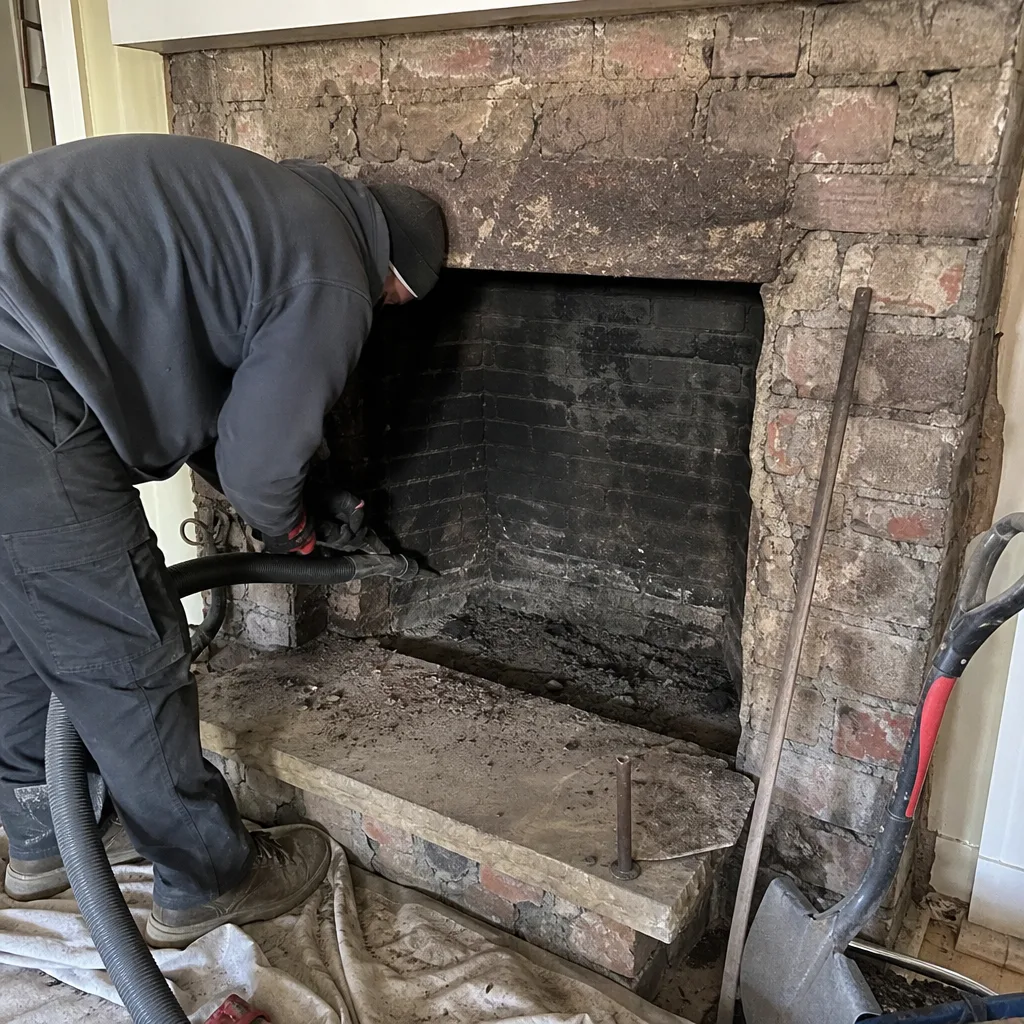
- Set up protection. Drop cloths go down, and a vacuum system with HEPA filtration keeps soot out of the living space. Fishtown rowhouses share walls, so containment matters more here than in a detached house.
- Inspect before sweeping. The technician checks the firebox, damper, smoke chamber, and flue before sending a brush up. Sweeping a damaged flue can make the damage worse.
- Sweep the flue. The brush and method depend on the creosote stage and the flue size. Coal-era flues need a brush sized to fit, not a generic one.
- Clean the firebox, damper, and smoke shelf. These areas collect soot and debris that people forget about until it falls onto the hearth.
- Camera scan. When the job calls for Level 2, the technician runs a camera through the flue and shows you the footage.
- Photo report and findings. You see what the technician saw, and you hear what, if anything, needs attention.
The photo report is the part that matters most to many homeowners. Being told you need a liner or masonry repair without seeing why is hard to accept, and it should be. Our job is to show you the evidence, so you can make the decision with something other than a technician’s word.
We also check the chimney cap & crown while we’re on the roof. A missing or damaged cap lets rain, snow, and animals into the flue, and a cracked crown lets water into the masonry. Both are far cheaper to address early than after water damage has spread through the stack.
Sweep-Only Operation vs. Full-Service Chimney Specialist
Many chimney companies do one thing: they clean the flue and leave. That works fine until the sweep turns up a cracked crown, a deteriorated flue, or a liner that’s past its service life. Then you need someone who does the next step, and the sweep-only outfit often isn’t it.
A full-service specialist handles the whole chimney system: the sweep, the cap and crown, the liner, full rebuilds, and fireplace repair. That means one call covers the whole chimney, and you’re not stuck coordinating between a sweep, a roofer, and a mason who each blame the other for a problem.
The difference also shows in the materials. A general handyman may use generic parts from a hardware store. A specialist uses professional-grade products, and is trained to apply them. HeatShield ceramic resurfacing is a good example. It’s a restoration system for liners that are structurally sound but have gaps, cracks, or spalling, and it requires specific product training to apply correctly. A handyman isn’t trained on it, and the homeowner ends up with an inferior fix or a liner replacement that wasn’t necessary.
We work with a focused roster of brands: DuraFlex for flexible liner retrofits, HeatShield for liner restoration, Gelco and Famco for caps and covers, Olympia Chimney and Copperfield for professionally specified components. Naming the materials means you can research them yourself and check that the parts going into your chimney are the ones professionals specify, not hardware-store substitutes.
When we find a problem that needs repair, we also handle the chimney repair that follows. That’s a real difference in a neighborhood where the chimney was already old before most of us were around.
When to Schedule Cleaning in Fishtown
The right time to get a chimney cleaned in Fishtown is before you start burning for the season, not after. Once the first cold snap arrives, fireplaces get used without a second thought about the flue behind them.
Most homeowners get the best schedule by booking in late summer or early fall, before heating season gets into full swing. That timing gives you a chance to address any liner or repair issues the inspection turns up without weeks of scrambling. If a liner needs resurfacing or replacement, you don’t want to discover that in the middle of the first cold week.
How often you need a sweep depends on how much you burn. A fireplace used regularly through the season generally needs a yearly cleaning. A home that uses the fireplace only occasionally may stretch that out, but the inspection is still worth doing every year, because a flue can fail without the fireplace being used much.
This is a job to book ahead, not one to rush at the last minute. The urgency is seasonal, driven by the approach of burning season, not by the hour of the day. Call (833) 432-4886 to get a sweep on the schedule. We answer 24/7, with fast dispatch from 7am to 7pm, Sunday through Friday.
What Chimney Cleaning Costs in Fishtown
Chimney cleaning in Fishtown typically runs $150 to $300 for a standard sweep, with a Level 2 inspection with camera adding to that range. Repair work, liner resurfacing, or cap and crown replacement is priced separately once the technician has seen the flue.
- Standard sweep (Level 1): roughly $150 – $300
- Sweep with Level 2 camera inspection: typically $250 – $450
- HeatShield ceramic liner resurfacing: estimated on the flue’s size and condition, quoted in a written estimate
- DuraFlex liner replacement: estimated on flue length and configuration, quoted in a written estimate
- Cap and crown work: varies by size and material, quoted in a written estimate
Those ranges are typical for the Fishtown market, not a fixed price. The written estimate sets the final number, and we’ll show you the condition of the flue and explain what drives the price before you commit. Nothing is recommended without camera evidence you can see yourself, and we’ll say plainly when work can wait. The estimate is free, and the price is set per job by the written estimate.
Common Mistakes to Avoid
- Treating the sweep as a one-time fix. A cleaning clears the flue today, but the liner condition and the fuel type stay the same. Skiping the yearly inspection in a coal-era Fishtown flue means problems get found late.
- Assuming the flue is fine because the fireplace works. A flue can have cracks or gaps and still draw smoke. By the time you notice a problem, it’s often further along than it needed to be.
- Hiring a handyman for a flue problem. A handyman can clean a flue, but resurfacing a liner or rebuilding a chimney takes training and product-specific knowledge, like the HeatShield application.
- Ignoring the caps and crowns. Water is the slowest and most expensive kind of chimney damage. A missing cap on a Fishtown rowhouse lets rain and birds straight into the flue.
- Letting creosote build without a stage check. Class III glazed creosote is a fire hazard, and a homeowner often has no idea how far the buildup has gone.
- Burning before an inspection when the fuel has changed. If you’ve added a gas log set or an insert and never had the liner evaluated, that’s the mistake that costs the most in pre-war homes.
- Booking too late in the season. Waiting until the first cold week means scrambling to get on schedule when everyone else is, which is why a late-summer sweep is worth the call.
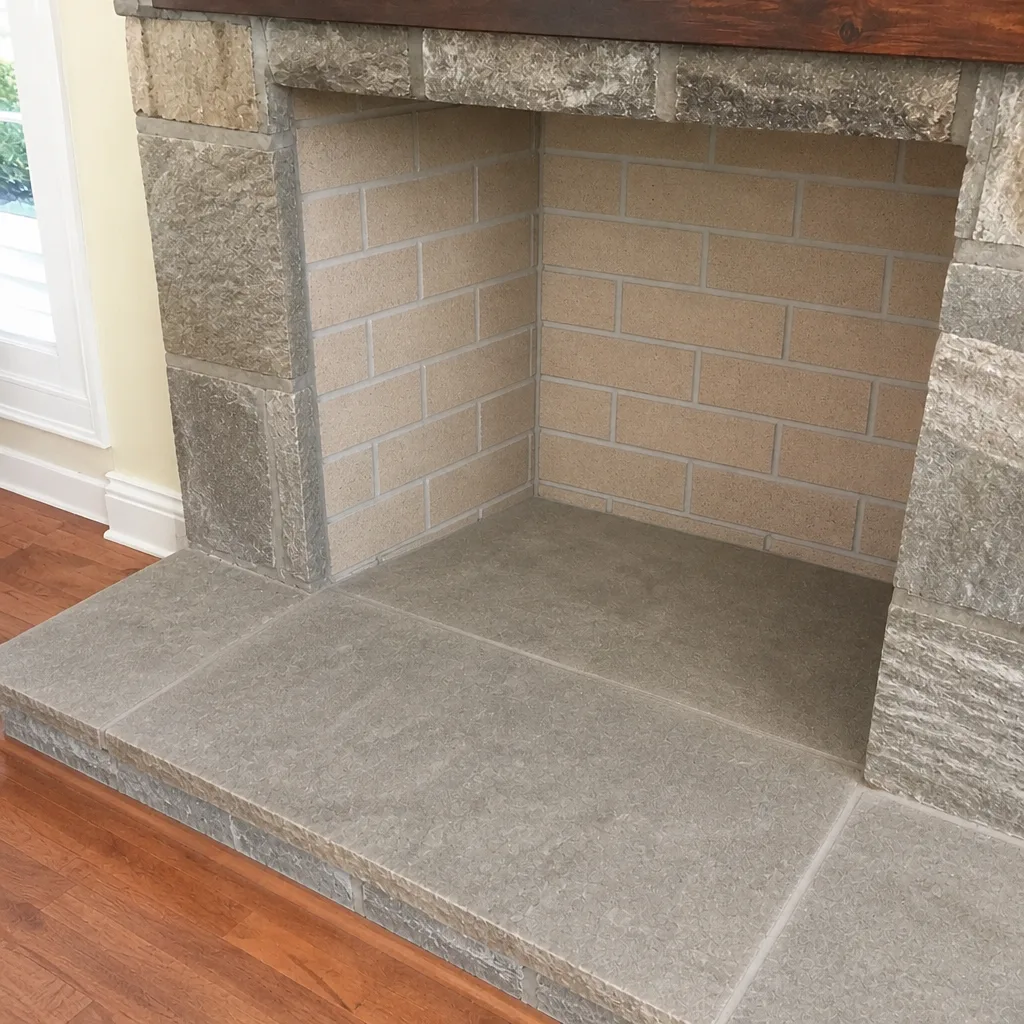
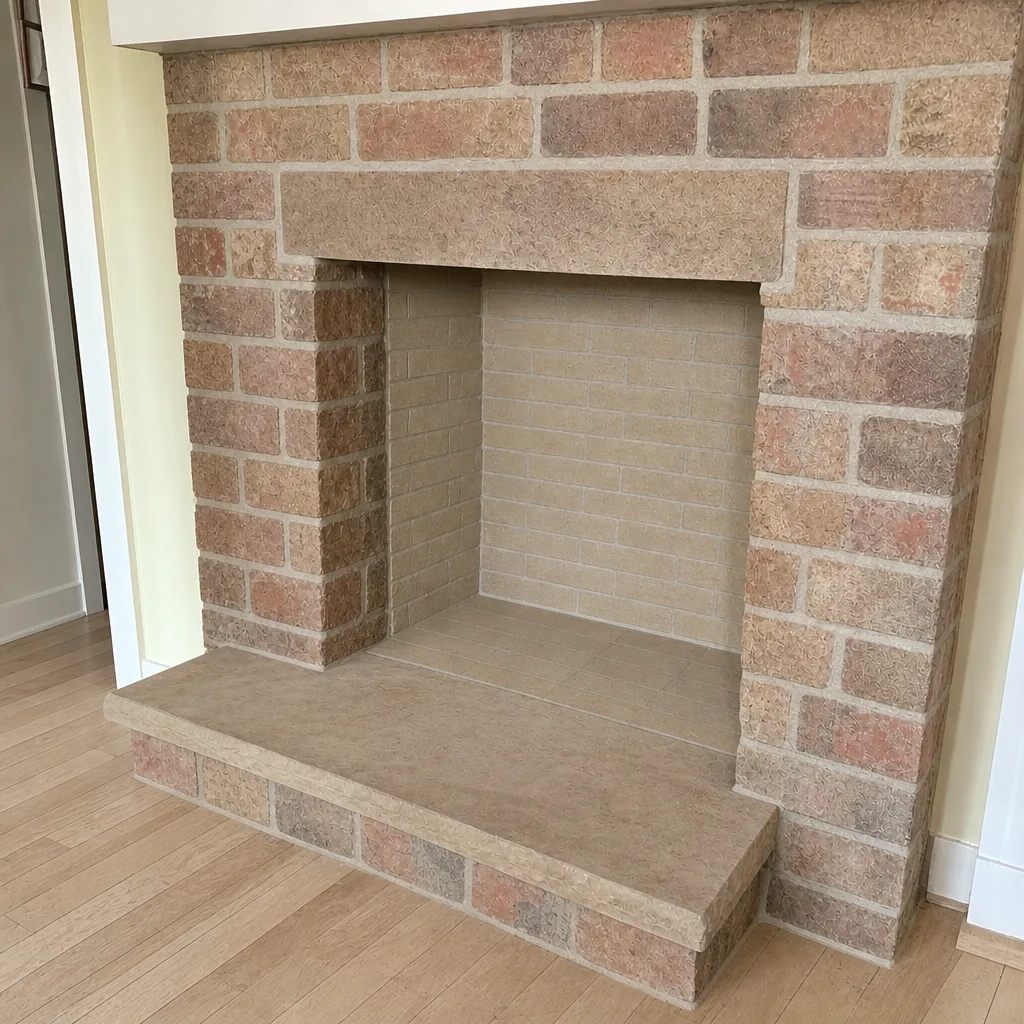
See the difference
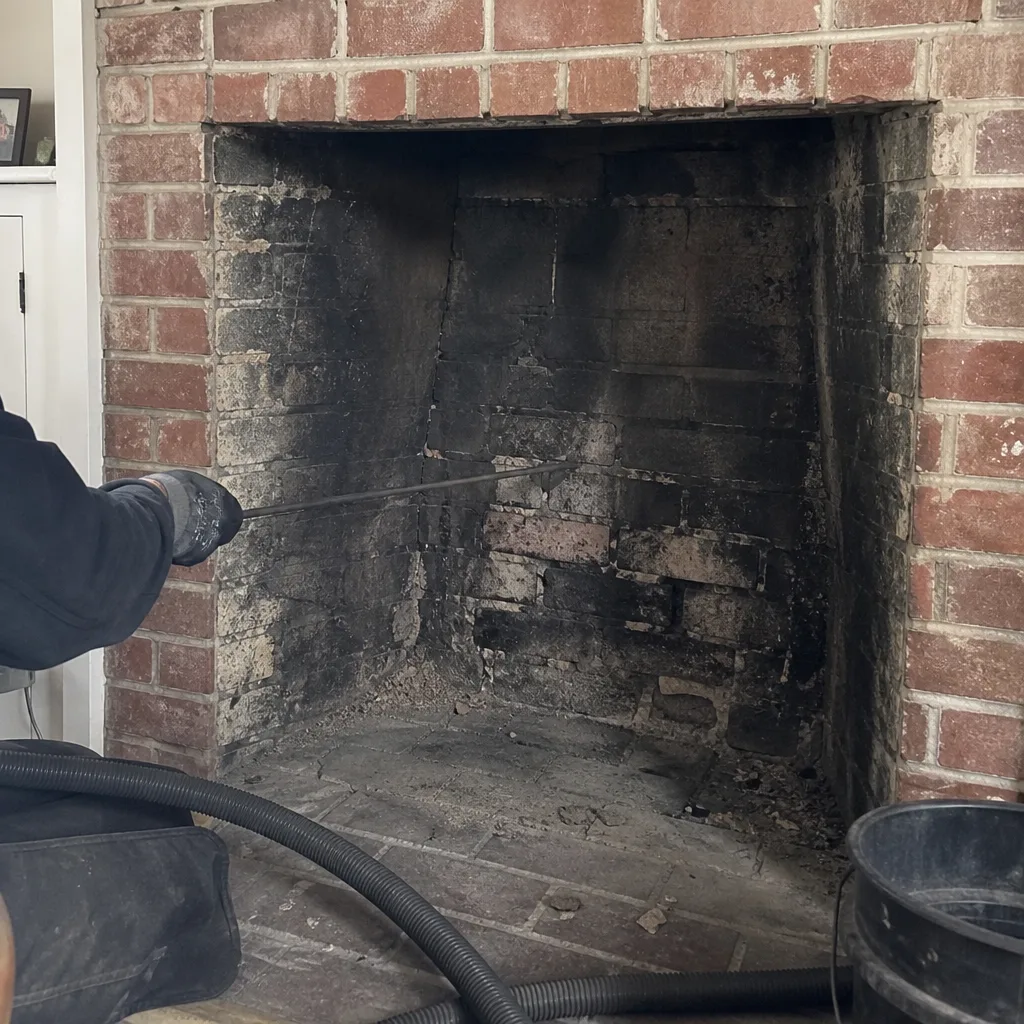 Before
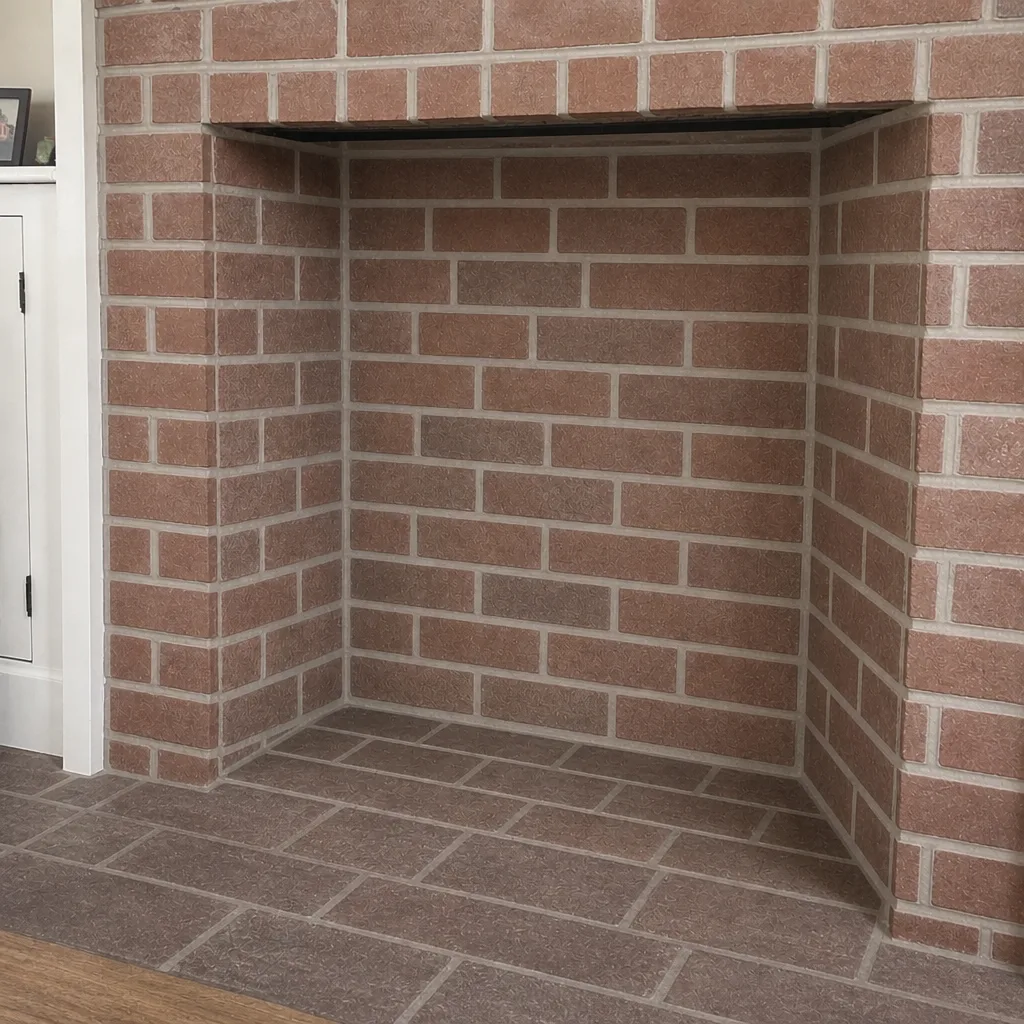 After
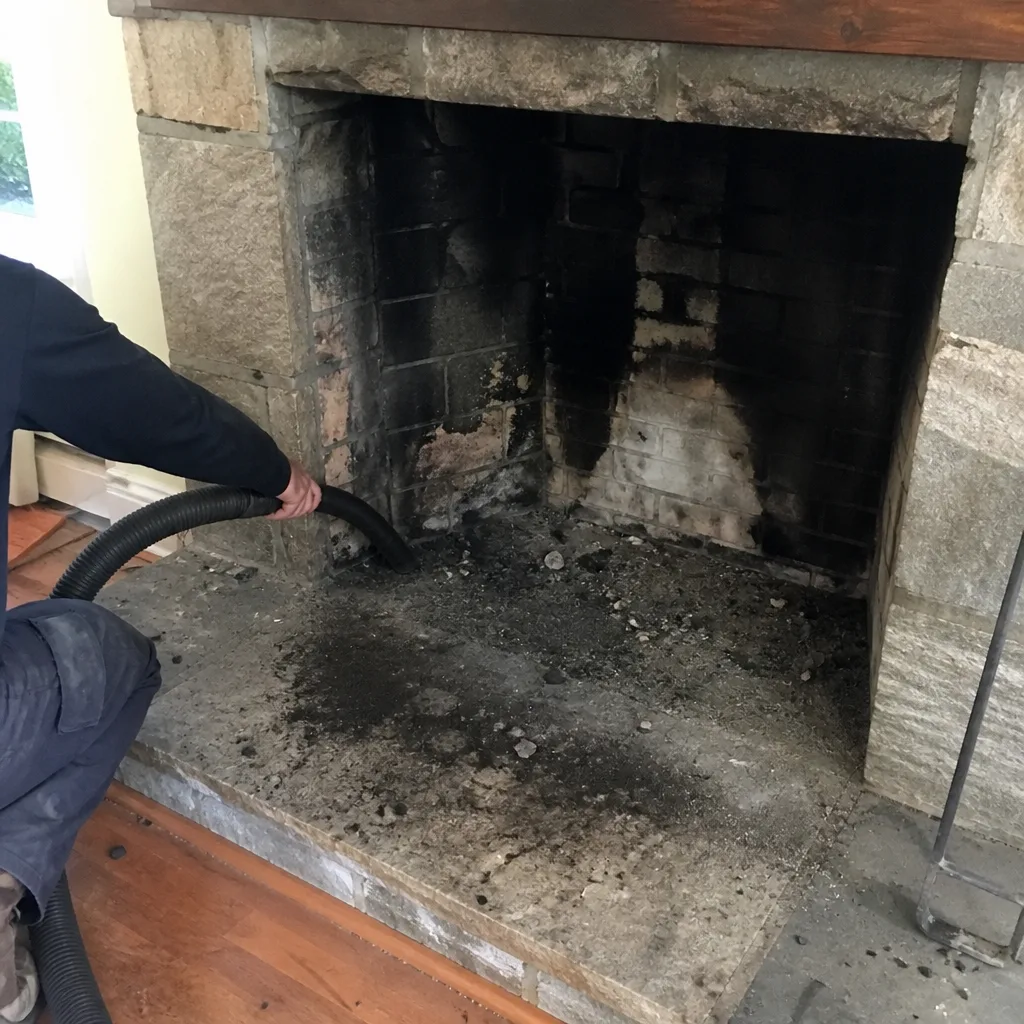 Before
 After
 Before
 After
When to Call a Professional
A chimney sweep isn’t a DIY job you want to take on, and neither is anything found during the sweep. If the flue hasn’t been inspected since you moved in, if you’ve changed the fuel or added an insert, if the firebox shows cracked masonry, or if there’s any sign of smoke backing into the room, that’s the time to call. A professional catches the liner issues and creosote stages that a homeowner simply can’t see from the hearth.
Chimney Sweep Fishtown offers free estimates in Fishtown. Call (833) 432-4886. We answer 24/7, with fast dispatch from 7am to 7pm, Sunday through Friday. Our technicians have up to 13 years of experience, and we’ll show you the camera footage before recommending any work. If you’re in an older home nearby, we also handle chimney sweep work across the neighborhood and want to make sure you know what you’re burning into.
Frequently Asked Questions
A standard sweep in Fishtown typically costs around $150 to $300, with a Level 2 camera inspection typically in the $250 to $450 range. The final price is set by the written estimate after the technician sees your flue. Call (833) 432-4886 for an exact quote. Estimates are free.
Once a year is the standard for a wood-burning fireplace that gets regular use, and that yearly visit is also when the inspection happens. A home that burns only occasionally may need less frequent cleaning, but the yearly inspection is still worth doing, especially in a pre-war rowhouse. Call (833) 432-4886 to get on the schedule.
Only if the camera shows the existing liner has gaps, cracks, or spalling it can’t recover from, and often the answer is resurfacing rather than replacement. HeatShield ceramic resurfacing restores a liner that’s sound but has defects. We show the footage first. If it can wait or be repaired rather than replaced, we’ll tell you. Call (833) 432-4886 for an inspection.
Creosote keeps building in stages, and glazed Class III creosote is the stage that becomes a fire hazard. Skip the inspection often enough, and the first sign can be a problem that costs more to fix than the cleaning would have. Call (833) 432-4886 to book a sweep and get an honest read on the flue.
We’re closed Saturday and open Sunday through Friday, 7am to 7pm. Call (833) 432-4886 with questions or to book. We answer 24/7, and a call outside dispatch hours gets booked into the next opening, Sunday through Friday, 7am to 7pm.
A handyman may be able to sweep, but the inspection that follows is where the value sits: reading the liner, identifying the creosote stage, and knowing when a resurface is the right call instead of a replacement. That’s specialized work. Call (833) 432-4886 for a full-scope inspection.
A sweep clears the flue of soot and creosote. An inspection evaluates the condition of the flue, liner, and chimney structure and tells you what’s safe, what’s not, and what can wait. In Fishtown’s older rowhouses, the inspection often finds more than the sweep does. Call (833) 432-4886 to book both together.
The Bottom Line
Chimney cleaning in Fishtown is a diagnostic process, not a single service. A pre-1930 rowhouse has a flue built for coal, and if you’re burning gas logs or wood in it today, the liner needs to be evaluated before the season starts. Know your inspection level, know your creosote stage, get the camera footage, and name the materials going into your chimney. Our technicians have up to 13 years of experience, and we show you what we find. Call (833) 432-4886 for a free estimate. We answer 24/7, with fast dispatch from 7am to 7pm, Sunday through Friday.
Written by the team at Chimney Sweep Fishtown.