
Last updated November 22, 2026
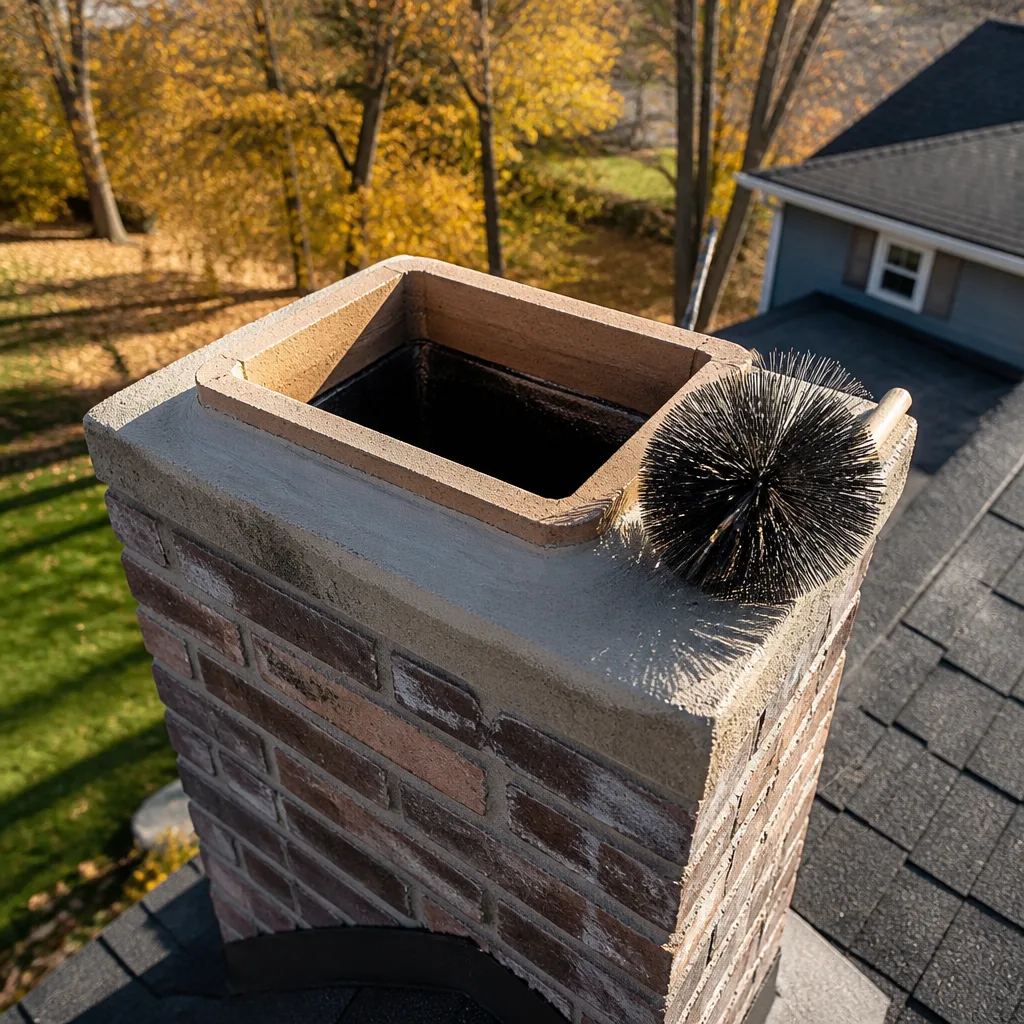 Sweep & inspection
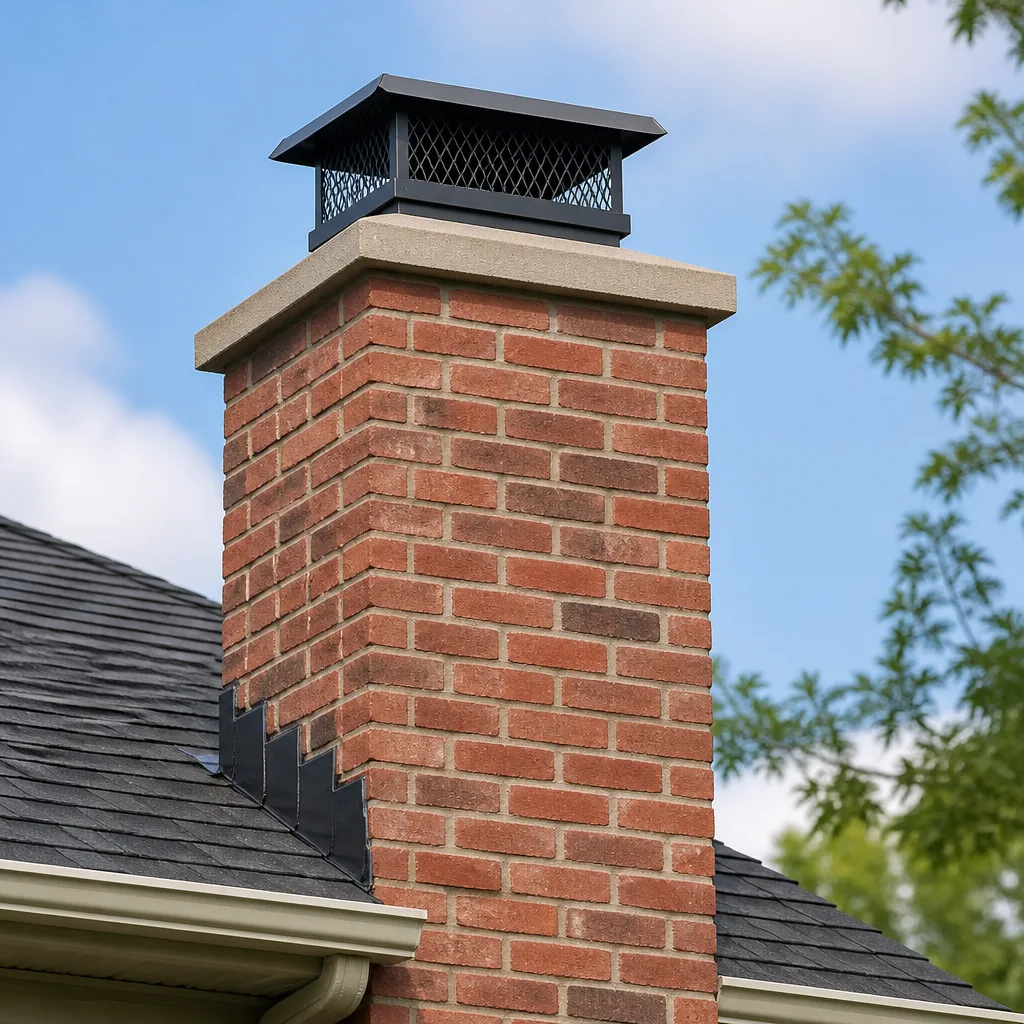 Caps & crowns
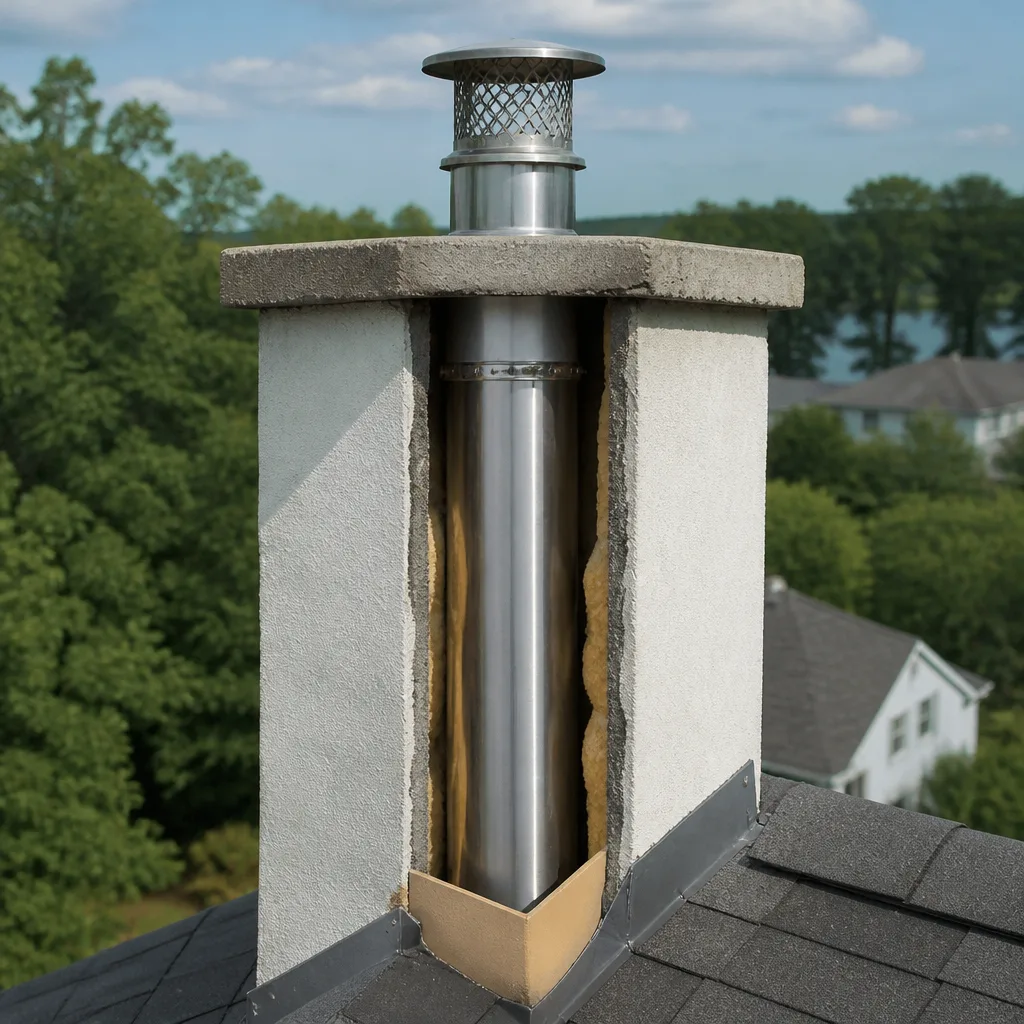 Flue relining
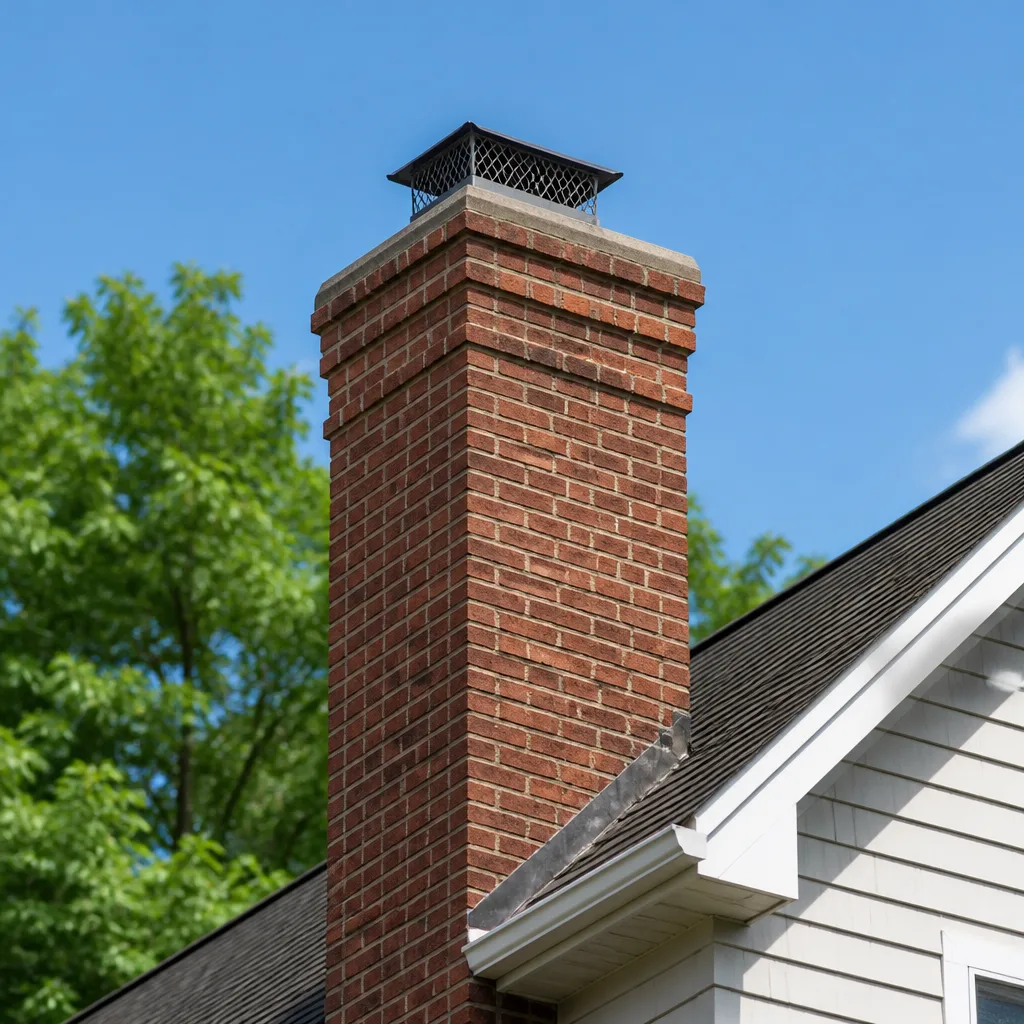 Masonry repair
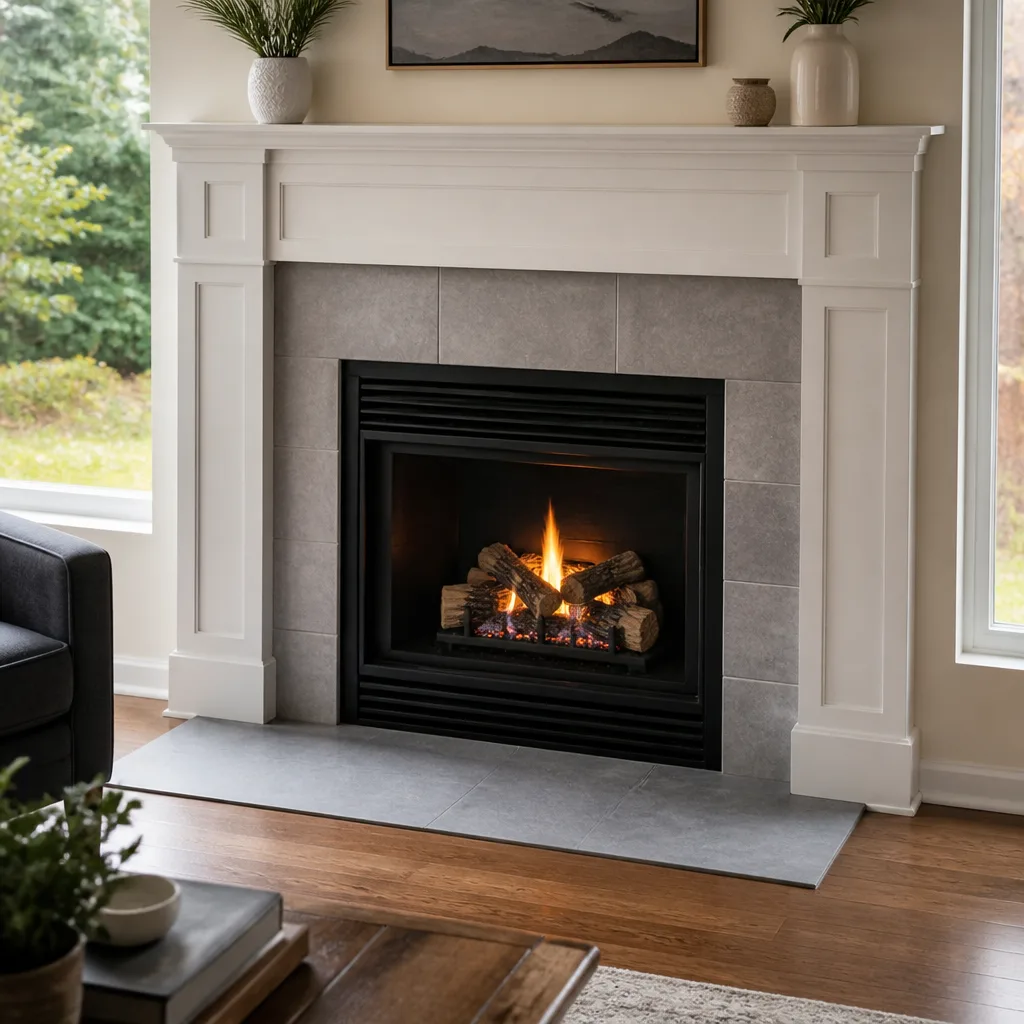 Gas fireplace service
Level 1 sweep and inspection to the NFPA 211 annual standard - flue, crown, cap, and flashing checked and photographed
Chimney sweep logs do not sweep chimneys. They loosen some creosote - which then falls where a brush and vacuum still have to collect it.
How to Hire a Chimney Cleaning Contractor in Fishtown: A Step-by-Step Guide
Most homeowners in Fishtown think they’re comparing chimney companies when they’re really comparing a certified specialist, a handyman with a brush kit, and a regional franchise that subcontracts the actual work to whoever answers the phone that week. They all use the same words in their ads: professional, thorough, insured. The words are worthless. What separates them is a handful of things you can verify in under ten minutes, a set of questions that reveal whether anyone on the crew understands flue design, and an honest written report you can read with your own eyes. This guide walks you through the exact vetting process we’d use ourselves if we were hiring someone to work on our own homes in Fishtown, from certification checks to the way a quote should be built.
Quick Answer
To hire a chimney cleaning contractor in Fishtown, verify four things before you book: current CSIA certification (or equivalent training) that you confirm yourself, liability insurance, written documentation of the work, and a quote with named line items rather than a flat “sweep and inspect” price. Then ask two technical questions about inspection level and cleaning method. A contractor who answers both clearly is a specialist; one who deflects is not. Expect a professional sweep to include a camera inspection and a photo report as standard, not as an upsell.
Styles & brands we work with
- Sweep & inspection
- Caps & crowns
- Flue relining
- Masonry repair
- Gas fireplace service
Table of Contents
- Why Fishtown’s Chimney Market Is Harder to Navigate Than It Looks
- Step 1: Verify Certification, Insurance, and Registration
- Step 2: Tell a Franchise Operation From an Independent Specialist
- Step 3: Ask the Questions That Reveal Technical Competence
- Step 4: Compare Quotes Correctly When the Scope Differs
- Step 5: Spot the Red Flags in Quotes and Sales Pressure
- Step 6: Understand Inspection Levels Before You Book
- Step 7: Time the Work Around Fishtown’s Heating Season
Why Fishtown’s Chimney Market Is Harder to Navigate Than It Looks
Fishtown has a housing stock that spans nearly two centuries of construction, sometimes on the same block. A rowhouse built in the 1870s and a renovated loft a few doors down can have completely different chimney construction: one with an unlined flue and a parged interior, the other with a factory-built insert and a short metal chimney. The work required to clean or assess them safely isn’t the same, and a contractor who treats every chimney the same way will either miss problems or recommend work that isn’t needed.
That variety attracts three kinds of operators. First, certified independent specialists who understand flue construction and carry the tools to look inside without guesswork. Second, general handymen who bought a brush kit and advertise a sweep, often at a suspiciously low price. Third, regional franchise operations with polished websites that dispatch a local subcontractor you never speak to twice. Each one sounds equally confident on the phone.
The physical layout of Fishtown adds another wrinkle. Dense rowhouse blocks mean roof access is often through a neighbor’s property line, a rear alley, or a hatch in a converted attic. A contractor who hasn’t worked on this type of building will underestimate the job or arrive unprepared, and you’ll be the one rescheduling. Neighborhoods like Penn’s Landing, Northern Liberties, and the blocks around Fishtown’s main commercial corridors all have their own quirks in how a chimney is accessed and how close adjacent buildings sit.
Our point: the market isn’t hostile, it’s just undifferentiated in advertising. The vetting process below is designed to separate the three types quickly, before you get into pricing conversations where everyone sounds reasonable.
Step 1: Verify Certification, Insurance, and Registration
Start with certification. The Chimney Safety Institute of America (CSIA) is the most widely recognized credential in the trade, and its online directory lets you confirm whether a company or individual currently holds certification. Certification has to be renewed, so check that it’s active, not just something once earned. Ask for the name of the certified technician who will actually be on the job, not just the company name.
Then verify insurance. A chimney contractor should carry liability insurance that covers damage to your property, plus workers’ compensation for anyone on the crew. Ask for a certificate of insurance and read the expiry date. If the certificate is issued to a different company name than the one you’re hiring, that’s a question worth asking: it often signals a subcontracting arrangement.
Pennsylvania does not issue a blanket state general contractor license the way some states do, so you won’t find a single statewide database to search. What you can check depends on the municipality. The City of Philadelphia operates its own contractor registration and licensing system, and the Pennsylvania Attorney General’s Office maintains records of consumer complaints against businesses. Checking both takes minutes and can surface a pattern you’d rather find out about now.
Our technicians have up to 13 years of experience, and we say that plainly because it’s checkable against the work itself. If a contractor won’t put a name to a certified technician, that’s the first sign they’re assembling crews rather than employing them.
What to confirm before booking
- CSIA certification is current and belongs to a technician who will be on site.
- A certificate of insurance you can read, naming the same company you’re hiring.
- Written confirmation of the scope: sweep, inspection, or both, with a photo report included.
- A written quote, not a verbal estimate, before any work begins.
- A phone number that answers when you call it.
Step 2: Tell a Franchise Operation From an Independent Specialist
Franchise operations aren’t inherently bad, but they change accountability. A franchise typically sells the job from a central call center, then dispatches a locally contracted technician to perform the work. That means the person who quoted you may not be the person who shows up, the person who shows up may not be certified, and when something needs follow-up you’ll often be routed back through a call center that doesn’t track the job personally.
An independent local specialist maintains their own certification, their own tool set, and their own relationship with professional-grade material suppliers. That latter point matters more than it seems. When a company works with Chimney Sweep Fishtown-level specialists who specify product lines like Gelco, Olympia Chimney, Famco, and Copperfield, the materials come from supply chains built for the trade, not from a hardware store shelf. You aren’t paying for a brand name on the part; you’re paying for a component another professional would install on their own chimney.
How to tell them apart in practice:
- Ask where the crew is dispatched from. A company that can name the city or county its technicians operate out of is local. A company that can’t is likely routing through a central office.
- Ask who does the follow-up. If a problem turns up on the second visit, who do you call? A local specialist answers that question without hesitation.
- Look at the quote. Franchise quotes often feature bundled “packages” with vague inclusions. Specialist quotes break the work down into named tasks.
- Ask what happens after the sweep. An independent specialist will follow up with a written report and, if work is needed, a named product recommendation. A franchise may push a one-size scope that doesn’t account for your chimney’s actual construction.
Neither model is a guarantee of quality. But if your goal is accountability from the person who inspects your flue to the person who services any repair, the independent specialist is often the clearer line.
Step 3: Ask the Questions That Reveal Technical Competence
Anyone can say “we do a thorough job.” The way to separate a technician from a salesperson is to ask questions they’d need real training to answer. The questions below aren’t tricks; a competent chimney contractor will answer each one in plain language, and a bad one will deflect.
Ask about inspection level
A chimney inspection comes in three levels. A Level 1 inspection is a visual check of readily accessible portions during a routine sweep. A Level 2 includes a camera inspection of the flue interior and is the standard when you’ve changed anything about the system, bought a home, or are considering a liner. A Level 3 involves access to concealed areas through demolition. Ask which level their sweep includes by default and whether they recommend more when they find a reason. A contractor who says “we always do a Level 2 with the camera” or “we’ll tell you if we need it” is being straight. A contractor who says “we just do a sweep” hasn’t thought about inspection levels at all.
Ask about cleaning method
Ask how they clean: rotary brushing, a manual brush, or a specialty system. Ask whether they use a drop cloth and a HEPA vacuum-rated containment to keep soot from migrating into your living space. In a Fishtown rowhouse, where the fireplace often opens into a small living room or a converted basement, containment is not optional. Soot travels like dust and gets into fabric, electronics, and vents.
Ask about liner materials
Ask what liner systems they install and whether they’ll resurface a damaged flue before or instead of installing a liner. A specialist will know the difference between a flexible stainless liner fit to a crooked old flue, a ceramic resurfacing system used to restore a deteriorated interior, and when each is used. A brand like DuraFlex comes up naturally in that conversation, as does HeatShield for resurfacing. If their answer to “what liner do you install” is “whatever the supplier gives us,” that’s a company without a materials philosophy, and you should take that seriously.
One answer worth listening for: whether they use a camera on every job and show you the footage. That’s the difference between “the flue looks fine” and “here is what the camera saw and here’s why we’re recommending a repair.”
Step 4: Compare Quotes Correctly When the Scope Differs
A quote of $180 and a quote of $340 for the same chimney can be wildly different jobs. One may include a camera inspection and a written report, the other may be a brush sweep with a verbal opinion. Comparing those two numbers directly will mislead you.
Instead, compare on five axes:
- Scope of inspection. Does the quote include a Level 1, Level 2 with camera, or just sweeping? A camera inspection is worth paying for; it’s what turns a guess into a recommendation.
- Report. Is a written inspection report included, and does it include photos or video?
- Materials specified. For any repair work, are the parts named (liner brand, cap brand, liner grade)? A professional quote names what’s going in, not “premium materials.”
- Warranty. Is the workmanship warranty in writing, and does the manufacturer’s warranty on any parts carry through to you?
- Contingency. Does the quote state what happens if the flue reveals a problem no one knew about, and at what point you’ll be consulted before more work is authorized?
Use this table as a comparison sheet:
| Item to compare | What to expect | What to watch for |
|---|---|---|
| Inspection level | Level 2 with camera recommended for most older Fishtown homes | “Sweep only” with no inspection level stated |
| Photo report | Included, with images you can see | Verbal opinion only, or a report delivered after you’ve paid |
| Materials named | DuraFlex, HeatShield, Gelco, Famco, Olympia Chimney, or Copperfield named in writing | “Standard liner” or “premium parts” with no brand |
| Workmanship warranty | Stated in the written contract | Warranty promised verbally |
| Follow-up | Same local company accountable for the repair | Call routed back to a central line |
Once those five are laid out side by side, the cheaper-looking quote often reveals itself as the thinner one. That’s not a pitch for the expensive option. It’s the only fair way to compare two jobs that aren’t identical.
Step 5: Spot the Red Flags in Quotes and Sales Pressure
Some warning signs are universal. Others surface specifically in old-house neighborhoods where tradespeople see the same problems over and over. Here are the ones that matter most in Fishtown.
Vague line items
“Chimney cleaning – $X” with nothing else in the quote is a red flag. A proper quote lists the sweep, the inspection level, and any recommended repairs as separate lines. If it bundles everything into a package with no detail, ask for a written breakdown before you approve anything.
Pressure to approve repairs same-day
A chimney contractor who comes down from the roof, says “the flue is cracked, we need to line it now, sign here” is asking you to approve a four-figure repair based on a verbal claim. The proper process is a written report, ideally with photos or camera footage, and time for you to read it. Some repairs genuinely can’t wait (a compromised flue that’s in active use with a fire), but even then the contractor should hand you the evidence, not just the invoice.
No written inspection report included
If the sweep comes and goes without documentation, you have no record of what was found. Any future repair conversation starts from scratch, and you can’t verify whether a repair was necessary or whether it was a suggestion.
Certification that can’t be verified
Some contractors mention CSIA certification but can’t tell you which technician holds it. Ask for the name and verify it yourself, or ask them to point you to the listing.
Reluctance to name products
If a quote for a liner or a cap doesn’t name the material, ask what’s going on. Every professional-grade cap in the trade has a brand, and every professional installing one can name it. A contractor who says “it doesn’t matter, they’re all the same” is telling you they don’t know the differences.
Step 6: Understand Inspection Levels Before You Book
Inspection level is the single most misunderstood part of hiring a sweep, and also the most useful. Here’s how the three levels work in practice:
- Level 1 inspection. A visual check of accessible parts of the chimney, from the firebox up to the top of the flue. This is the baseline that comes with a routine annual cleaning. It catches blockages, soot buildup, and obvious damage.
- Level 2 inspection. A visual inspection plus a camera run through the flue interior. This is the standard for real estate transactions, after a chimney fire, after installing a new appliance, or when the flue has never been inspected. It’s what tells you what the inside of the flue actually looks like.
- Level 3 inspection. Involves opening parts of the structure to access concealed areas. It’s rare and reserved for specific suspected problems. The contractor should be able to explain exactly why a Level 3 is warranted.
For a Fishtown home, ask specifically whether a Level 2 with camera is included in the sweep price or a separate charge. Many sweeps advertise a low price and then mention the camera “for an additional fee” once they’re on site. That’s not dishonest, but it should be disclosed upfront.
Step 7: Time the Work Around Fishtown’s Heating Season
Chimney work has a natural season. Most homeowners book sweeps and inspections in the months before heating season begins, when the first cool evenings remind them the fireplace is about to get used again. The reason to schedule ahead isn’t just convenience. It’s that the inspection report often reveals something that needs follow-up, and if you discover a liner problem in the middle of winter you’re scrambling to find someone with room in their schedule.
Fishtown’s older homes add to the seasonal pressure. A rowhouse chimney from the 1870s sometimes hasn’t been inspected in years, and the interior flue may have a parged lining that’s deteriorated. If the home is a recent purchase, the chimney was likely inspected at sale, but the report may have been lost in the transaction paperwork. Reading that report before you light your first fire is worth doing.
Our recommendation: book the sweep and Level 2 inspection sometime in the late summer or early fall. If the report recommends work, you have time to review it, ask questions, and get a second look before the cold arrives. Same-day service is available for genuinely urgent issues, and chimney cap & crown damage after a heavy storm can be one of them, but the routine stuff is far easier to schedule ahead of the season.
If you’re buying an older home in Fishtown, add a Level 2 inspection to your pre-closing checklist. It’s one of the few inspections sellers don’t routinely arrange, and it’s the one that can reveal a five-figure deferred repair if a flue has been poorly maintained for decades.
Common Mistakes to Avoid
- Booking on price alone. Two quotes for “a sweep” can be for entirely different jobs. A $99 sweep with no camera and no written report is not the same service as a $300 sweep with a Level 2 inspection, and the second one is what justifies hiring a specialist.
- Accepting a “free inspection” that turns into a sales pitch. A free inspection is fine, but if it ends with same-day pressure to sign for liner work without a written report you can read, that’s not a professional inspection.
- Skipping the certification check. CSIA certification is easy to verify online; if you haven’t done it, you’re relying on marketing rather than evidence.
- Not asking who actually shows up. A quote from a polished website doesn’t guarantee the technician on your roof is trained. Ask for the name of the technician who will be dispatched.
- Ignoring old-house flue specifics. Fishtown rowhouses often have unlined or parged flues that require a different approach than a newer metal flue. A contractor who treats them identically is missing something.
- Waiting for winter to book. A liner problem discovered in January is much harder to schedule than one found in September, and the delay is your problem, not the contractor’s.
- Assuming a franchise is always a specialist. Some are excellent; some subcontract. Ask who does the work and who handles follow-up.
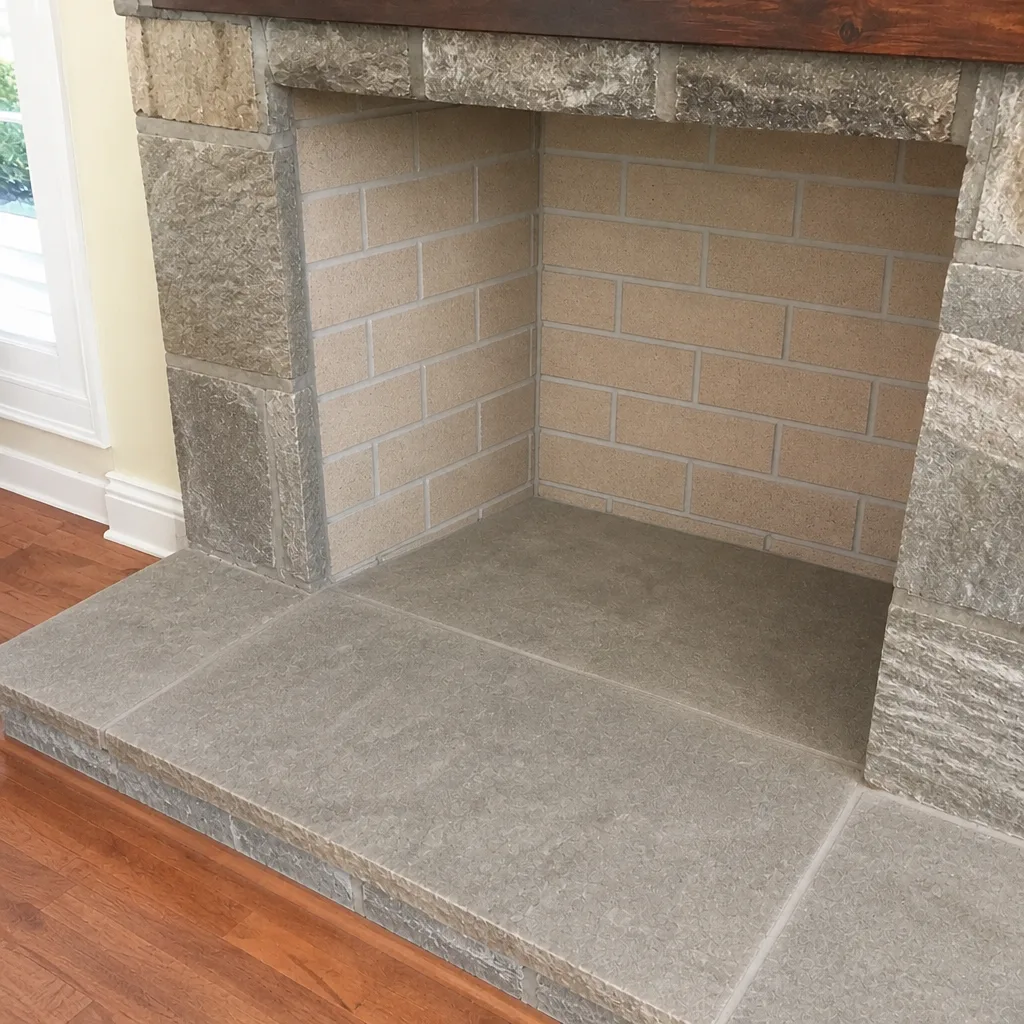
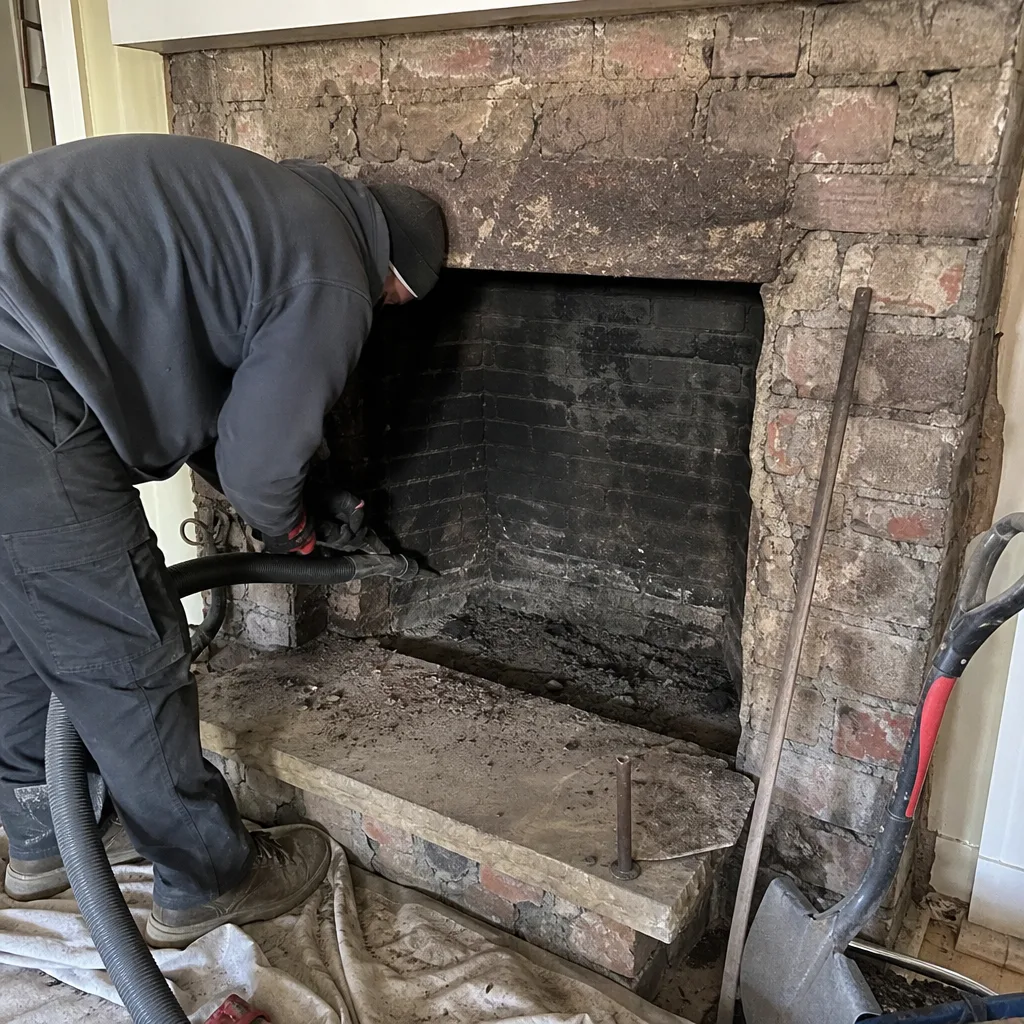
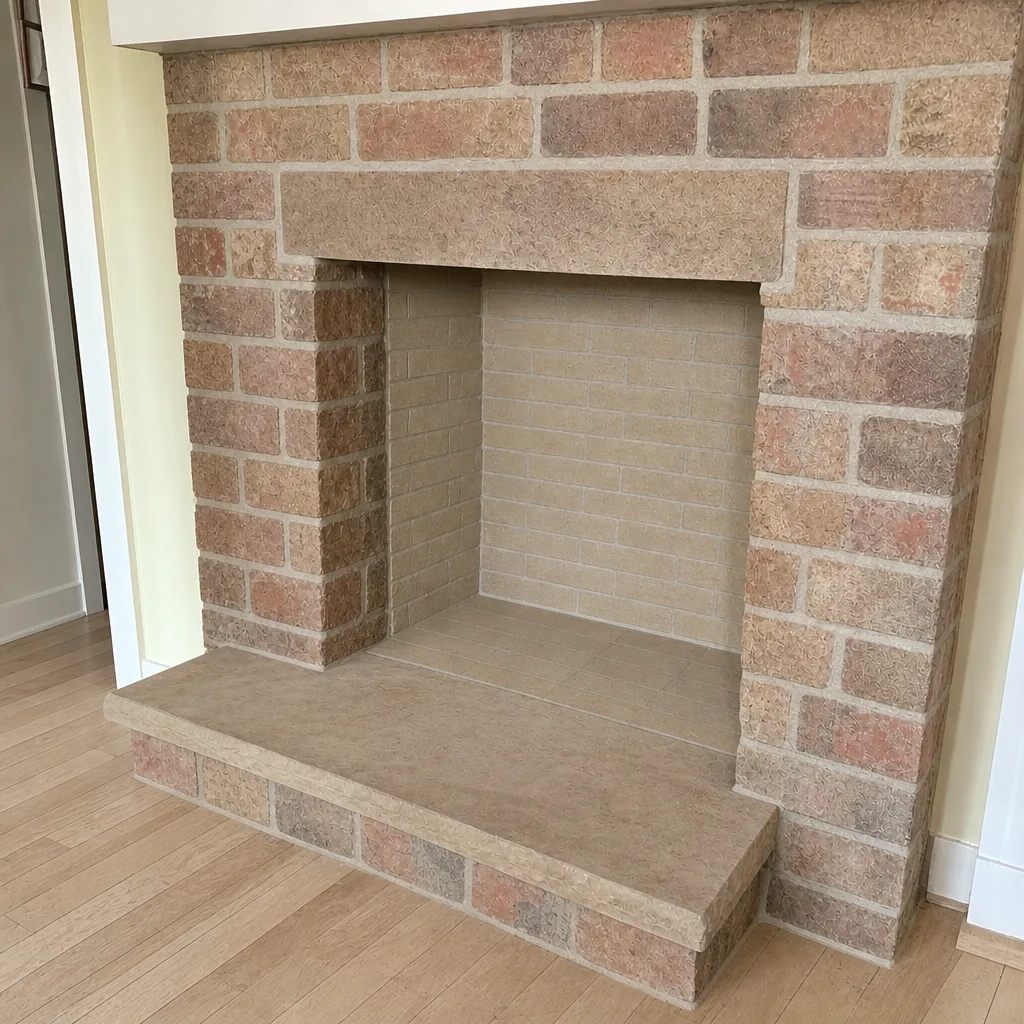
See the difference
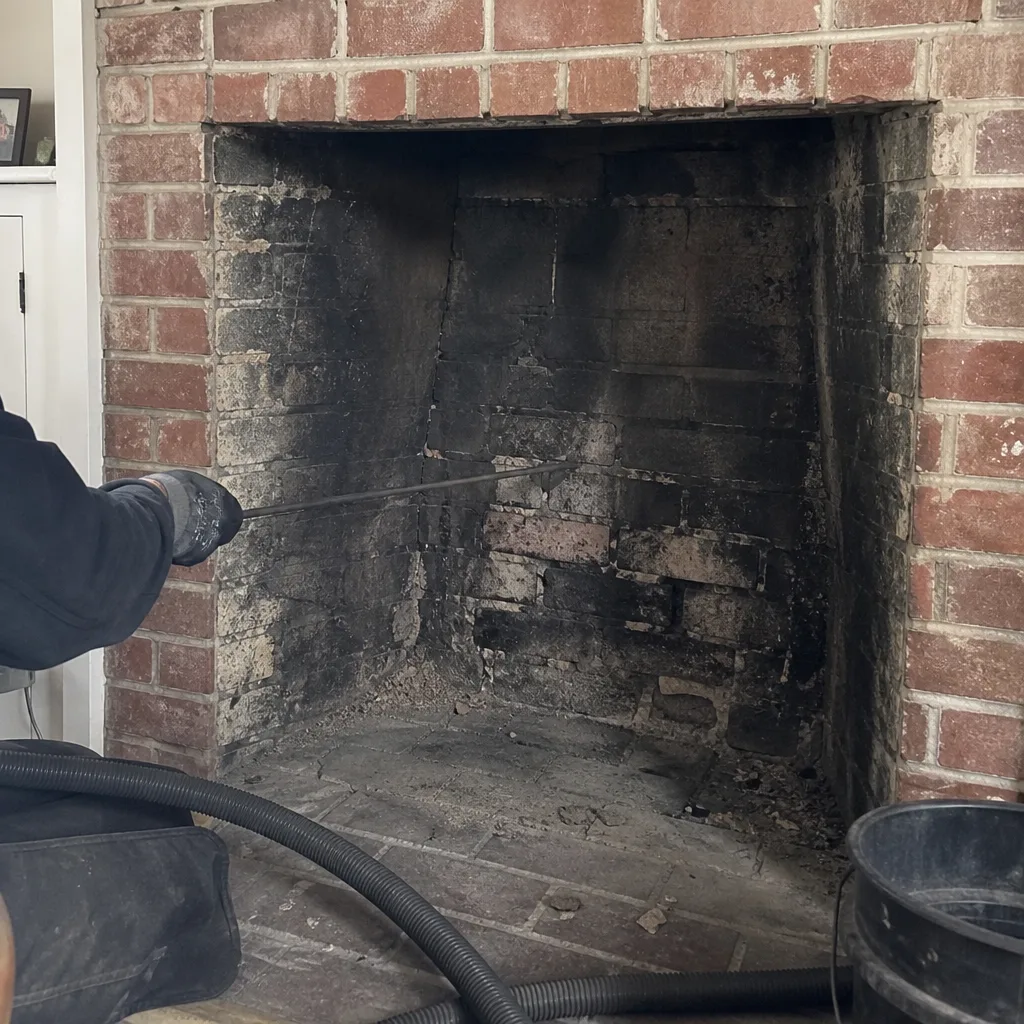 Before
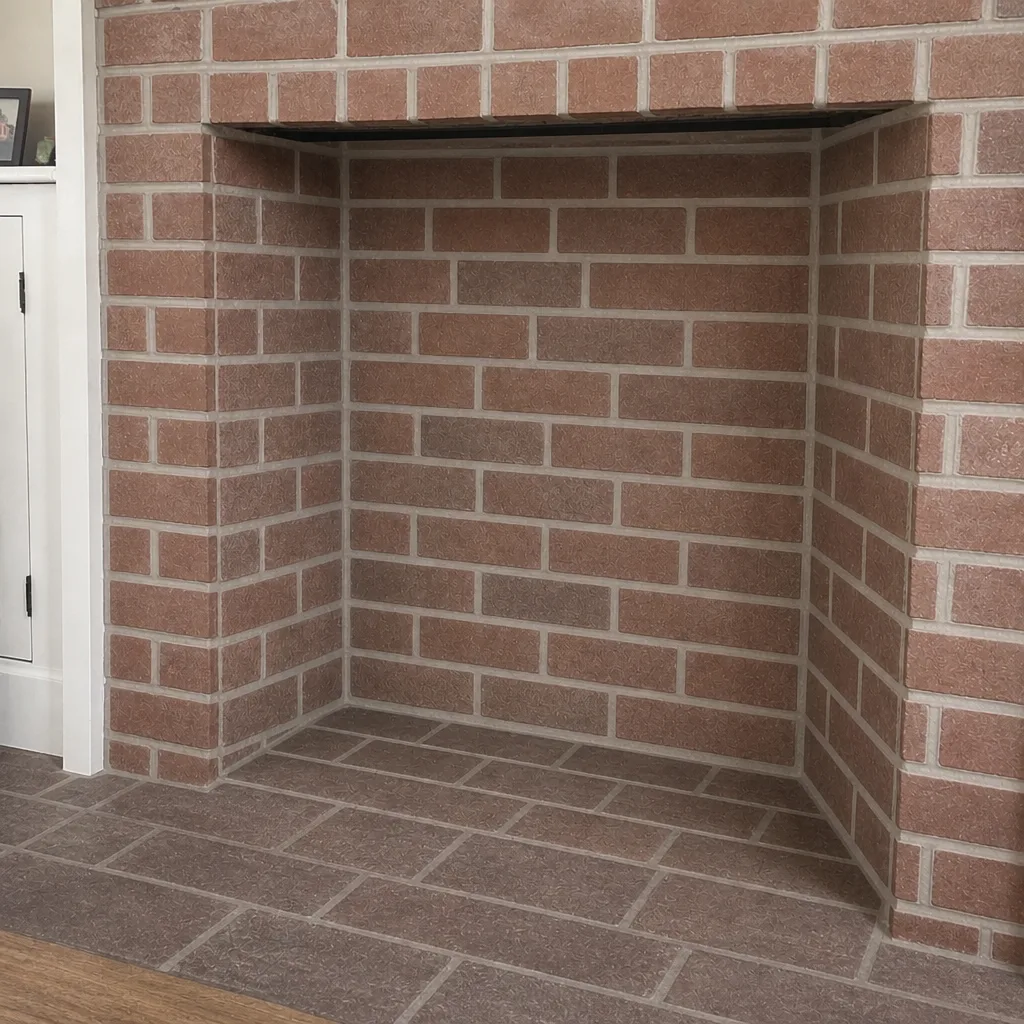 After
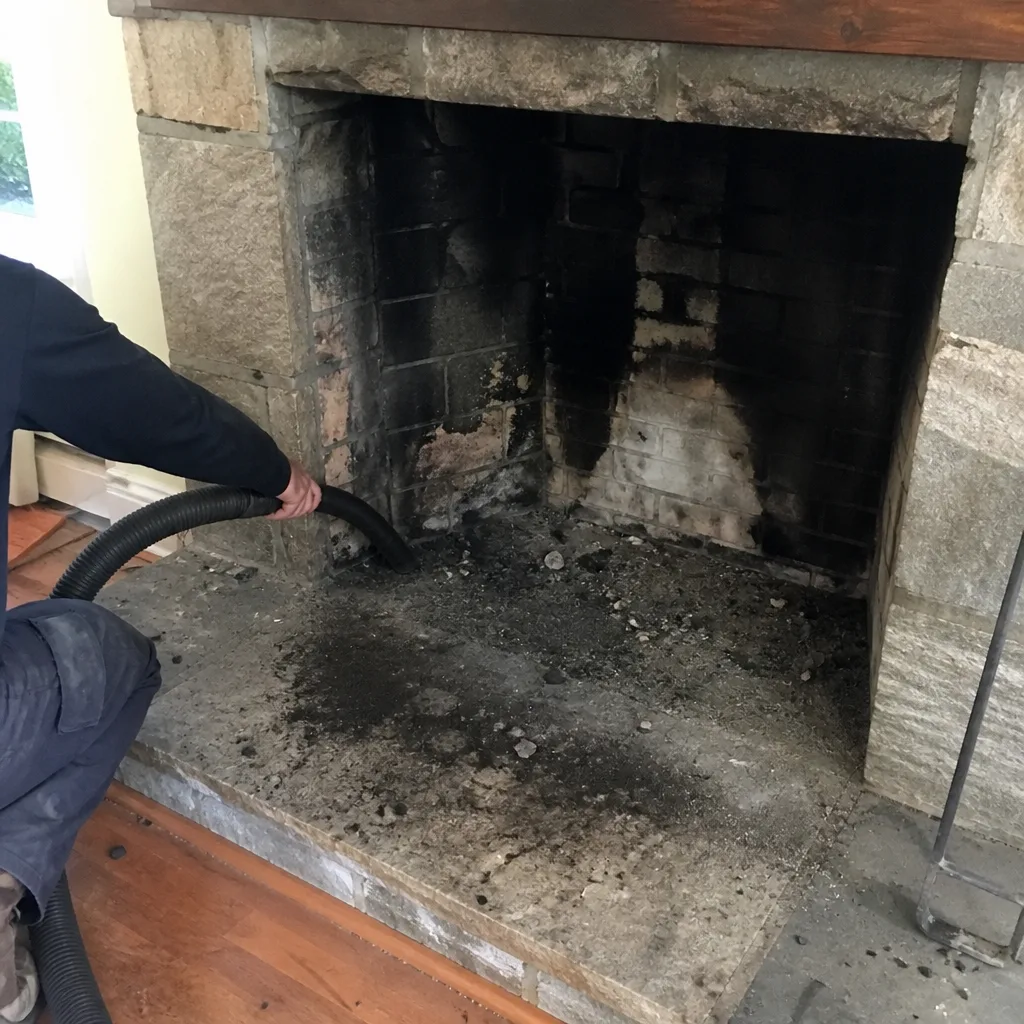 Before
 After
 Before
 After
When to Call a Professional
Some situations are clear-cut. Call a specialist if you’ve never had the chimney inspected and you’re about to use it for the first time. Call if there’s visible soot staining on the mantel or the wall near the chimney. Call if smoke backs into the room when you light a fire, if you smell a persistent creosote odor in warm weather, or if a bird or animal has nested in the flue. Call if a windstorm has loosened the cap or crown. Call if you’re buying a Fishtown home with an original 19th-century chimney and no inspection record. And call before you install a wood stove insert, because the flue has to be sized and lined correctly for the new appliance.
Chimney Sweep Fishtown offers free estimates in Fishtown. Call (833) 432-4886 and we’ll walk through what your chimney needs. We answer 24/7, and we offer fast dispatch from 7am to 7pm, Sunday through Friday. Our technicians have up to 13 years of experience, and we install professional-grade parts from product lines like DuraFlex, HeatShield, Gelco, Famco, Olympia Chimney, and Copperfield, so every recommendation comes with a named material you can research yourself.
Frequently Asked Questions
Go to the CSIA website and search their online directory for the technician’s name or the company name. Certification has to be actively renewed, so check that it’s current. A legitimate contractor will give you the name of the certified technician who will be on site; if they can’t, treat that as a signal that certification may not apply to the person doing the work.
For most older Fishtown homes, yes. A Level 2 inspection is the standard whenever a chimney hasn’t been inspected, after a new appliance is installed, after a chimney fire, or during a real estate transaction. For a rowhouse built before 1950, the interior flue is rarely visible from the firebox, and the camera is what tells you what’s inside. A sweep that doesn’t include a camera is a routine cleaning without a view of the flue.
Ask two questions: what inspection level is included, and what liner material would be used if a repair is needed. A certified specialist answers both with specifics and can name brands like DuraFlex, HeatShield, or Famco. A general handyman typically answers “we do a sweep” and can’t name a liner system. The rest of the quote usually follows from those two answers.
A proper quote should list the sweep, the inspection level (Level 1 or Level 2 with camera), whether a written report with photos is included, and any recommended repairs as separate line items. It should name material brands for any repair work and state the workmanship warranty in writing. A single bundled price with no detail isn’t a quote you can compare against another.
Assume the quote without the camera covers less work. Ask the contractor without the camera what a Level 2 inspection would add to the price, and ask the other whether the camera is standard or an option. Then compare the two camera-inclusive prices. The number that matters is the price for an equivalent scope, not the price on the invoice.
The general guidance is once a year for a wood-burning fireplace that gets regular use, and more often if you burn frequently or burn soft woods that produce more creosote. Annual inspection matters even when you don’t think the flue is dirty, because the inspection is where most problems are found, not the sweep. If you’ve moved into an older Fishtown home and have no record of a previous inspection, book one before the first fire of the season.
You should never be pressured. A professional supplies a written report with photos or camera footage, explains what was found and why it matters, and gives you time to review it. Some situations genuinely shouldn’t wait if you want to keep using the fireplace, but the contractor should still hand you the evidence before asking you to approve anything. If a company is pushing same-day approval without a written report, ask for the report and take it elsewhere. For our part, we include a camera inspection and a photo report as standard so you’re never asked to trust a verbal claim about your flue. If you’d like an exact quote, call (833) 432-4886; estimates are free.
The Bottom Line
Hiring a chimney contractor in Fishtown comes down to four checks you can do before you book: verify current certification, confirm insurance, ask about inspection level and cleaning method, and compare quotes only when the scope is the same. A specialist names the materials (DuraFlex, HeatShield, Gelco, Famco, Olympia Chimney, Copperfield), includes a camera inspection and photo report as standard, and puts the work in writing before asking you to approve anything. A handyman or a franchise dispatcher can’t do all four. Use the questions in this guide and the comparison table as your filter, and you’ll end up with the right person on your roof, whether that’s us or another Fishtown specialist.
If it’s us, great. chimney repair is a big part of what we do, from a simple cap through to a full rebuild, and our chimney sweep service includes a camera inspection and a photo report you can review before deciding on anything. Call (833) 432-4886 for a free estimate. We answer 24/7. Fast dispatch from 7am to 7pm, Sunday through Friday.
Written by the team at Chimney Sweep Fishtown.