
Last updated November 22, 2026
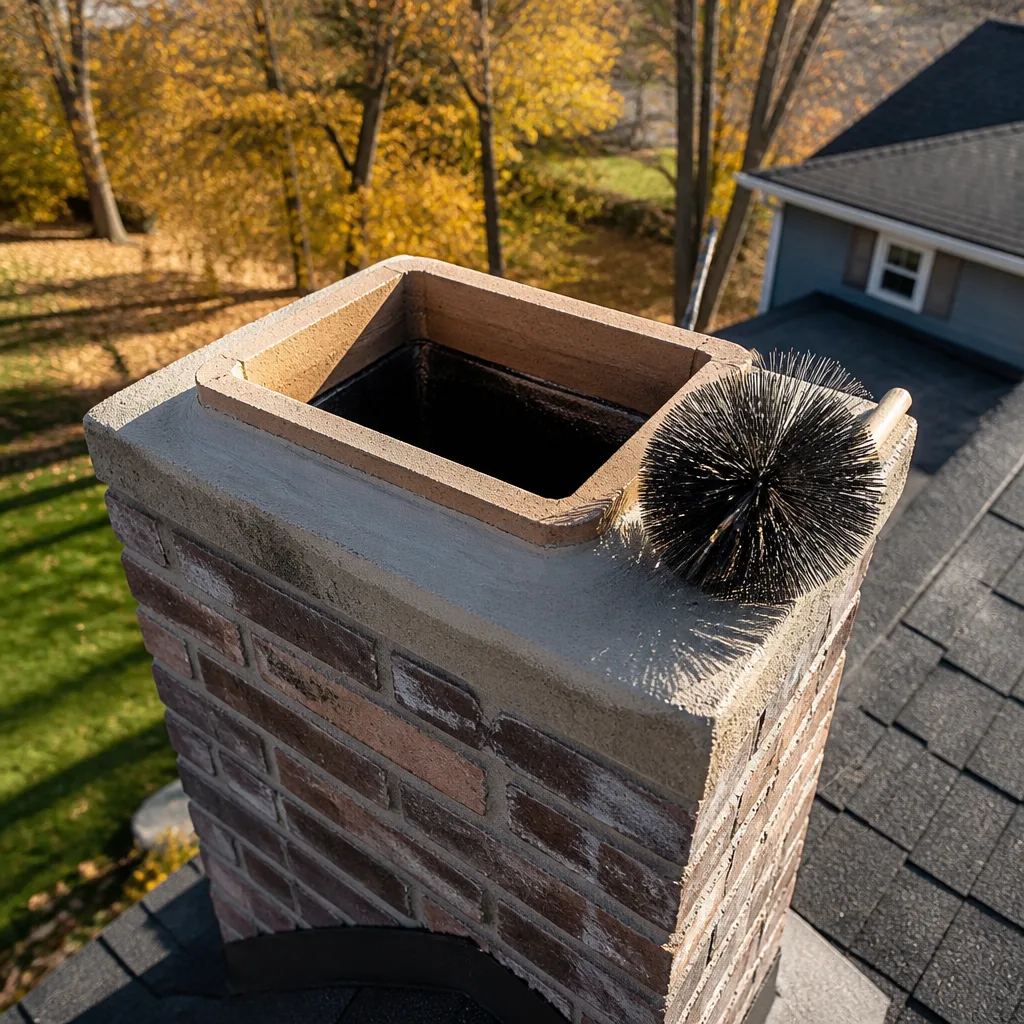 Sweep & inspection
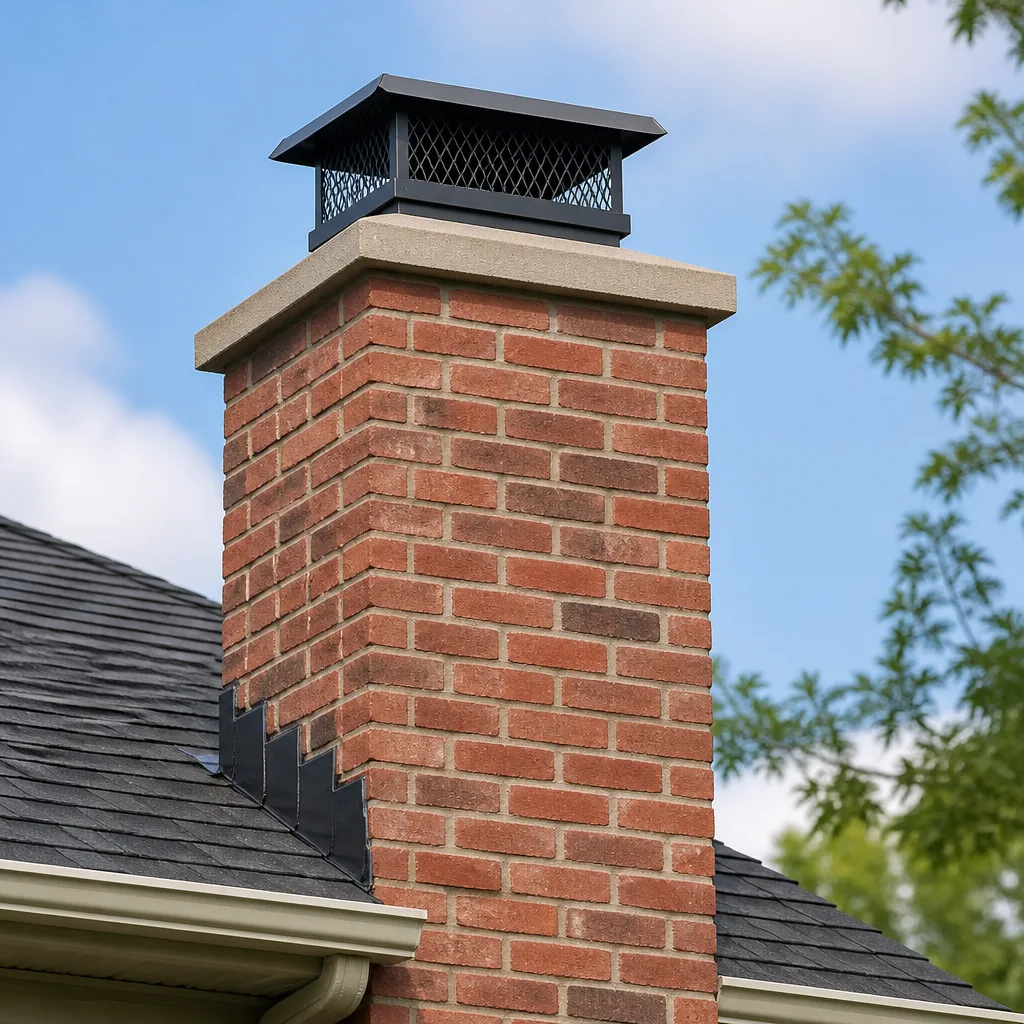 Caps & crowns
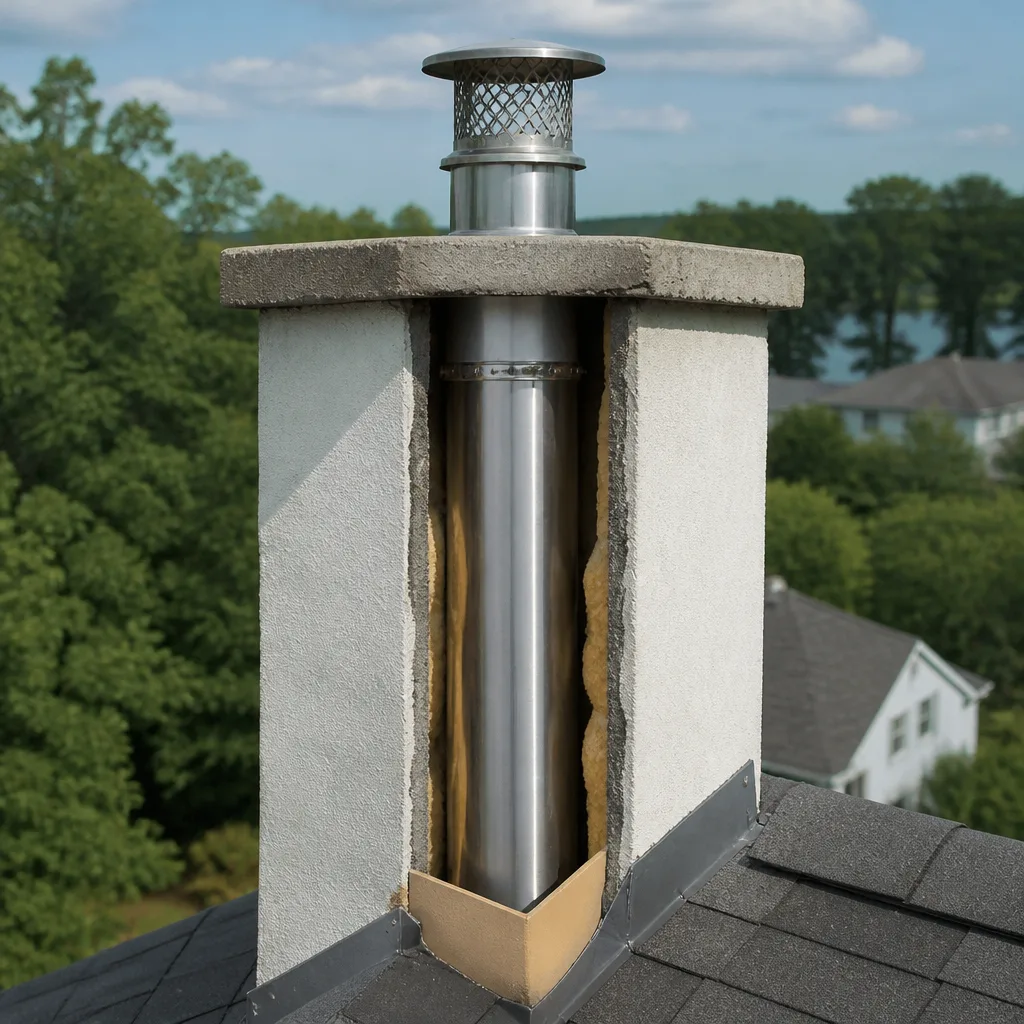 Flue relining
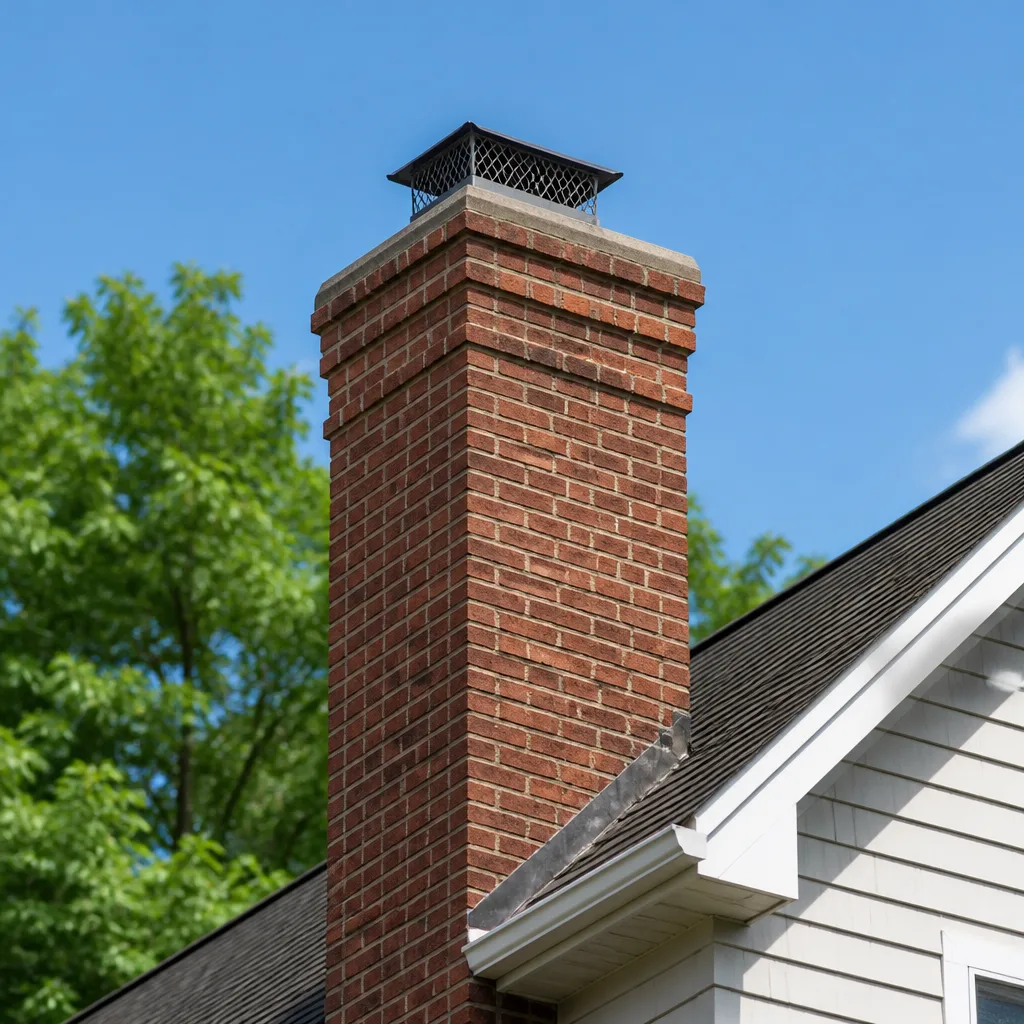 Masonry repair
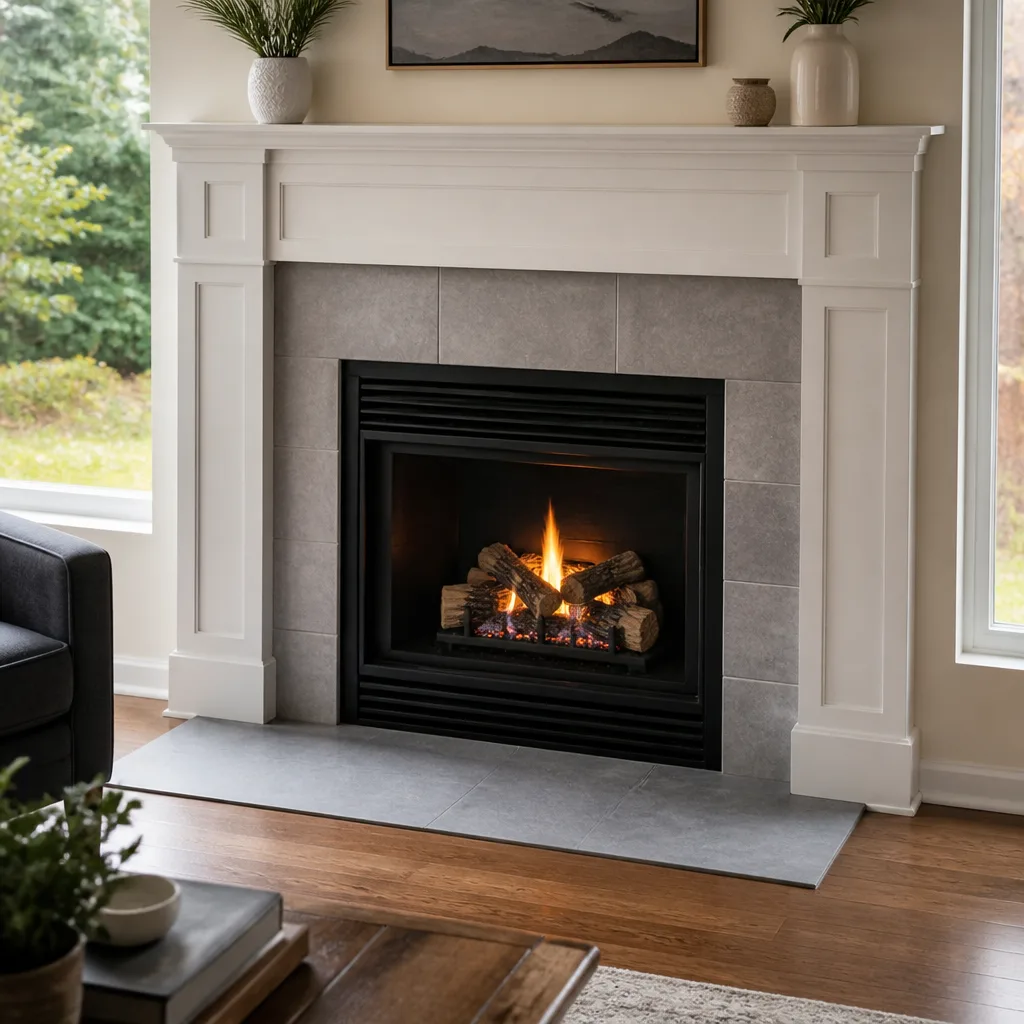 Gas fireplace service
Level 1 sweep and inspection to the NFPA 211 annual standard - flue, crown, cap, and flashing checked and photographed
Chimney sweep logs do not sweep chimneys. They loosen some creosote - which then falls where a brush and vacuum still have to collect it.
Chimney Cleaning Permits, Codes & Inspections in Fishtown, PA: What You Need to Know
Most chimney work in Fishtown doesn’t need a permit, and that’s exactly where homeowners get into trouble. It’s easy to assume that because a sweep is simple, everything that happens above the firebox is equally unregulated. In Philadelphia, the line isn’t between “small jobs” and “big jobs” – it’s between cleaning and maintenance on one side, and anything that alters or rebuilds the chimney system on the other. Cross that line without a permit from the Department of Licenses & Inspections and the work can follow you into a home sale, an insurance claim, or both. This guide explains precisely where that line sits for Fishtown homeowners, what NFPA 211 requires, and what your contractor should hand you even when no permit is involved.
Quick Answer
Routine chimney cleaning in Fishtown, PA does not require a permit. Repair and alteration work – liner replacement, crown reconstruction, firebox repair, and partial or full rebuilds – falls under Philadelphia’s Department of Licenses & Inspections (L&I) permitting rules and generally requires a permit plus inspection. All chimney work in Pennsylvania, permitted or not, should follow NFPA 211, the national standard for chimneys, fireplaces, vents and solid fuel appliances.
Styles & brands we work with
- Sweep & inspection
- Caps & crowns
- Flue relining
- Masonry repair
- Gas fireplace service
Table of Contents
- What Philadelphia L&I Actually Regulates
- NFPA 211 and How It Interacts With Philadelphia Code
- When a Permit Is Required: The Three Trigger Points
- What an L&I Inspection Looks At
- How Unpermitted Chimney Work Affects Insurance and Home Sales
- What to Ask Your Contractor to Document
- Why This Matters More in Fishtown’s Housing Stock
- Inspection Levels Explained: Level 1, 2, and 3
What Philadelphia’s Department of Licenses & Inspections Actually Regulates
The Department of Licenses & Inspections, commonly called L&I, is the city agency that issues construction permits and enforces the Philadelphia Building Code. For chimney work, L&I’s interest begins at the point where a job changes the structure, the flue, or the firebox – not at the point where someone is removing creosote from an existing flue.
That distinction is regulatory, not semantic. A sweep cleans what’s already there. A repair alters what’s there. L&I cares about the second category because the building code exists to protect the structure and the people inside it, and a chimney is a structural and fire-safety component in a way that, say, a kitchen backsplash is not.
Practically, the agency’s scope covers these areas:
- New flue liners and liner relining that introduce a new manufactured component into the chimney.
- Crown work that reconstructs or substantially replaces the masonry crown at the top of the stack.
- Firebox and smoke chamber repairs that rebuild or resurface those components.
- Masonry rebuilds of any portion of the stack, from the roofline up or from a firebox up.
- Chimney removal or partial removal, often tied to a larger renovation.
What L&I does not regulate is the maintenance side: sweeping, visual inspection, cap replacement at the flue top, and routine cleaning. Those are service tasks, not construction. The confusion we run into most often in Fishtown is homeowners assuming that because a product like a Gelco or Famco cap is a “new part,” a permit is somehow triggered. It isn’t – a cap installation is not a structural alteration.
One practical note: the best way to confirm the permit status of any specific job is to call L&I directly or ask your contractor to show you the permit, since requirements can shift with code adoption cycles. A contractor who is comfortable talking about permit thresholds is usually a contractor who has pulled them.
NFPA 211 and How It Interacts With Philadelphia Code
NFPA 211, the Standard for Chimneys, Fireplaces, Vents, and Solid Fuel-Burning Appliances, is the national benchmark for chimney construction, inspection, and maintenance. Pennsylvania doesn’t have a single statewide chimney code that governs every municipality; instead, local codes – like Philadelphia’s – adopt or reference standards, and NFPA 211 is the standard the industry and most inspectors rely on for judging whether a chimney is safe and correctly built.
Think of it this way: the Philadelphia Building Code tells you when a permit is required and sets local requirements, and NFPA 211 tells you how the work should be done once you’re in the door. In practice, most working inspectors and contractors treat NFPA 211 as the functional standard for the parts of the trade that local code doesn’t spell out in detail – clearances to combustibles, flue sizing, the condition a liner must be in to be considered serviceable, and the three levels of inspection.
For a Fishtown homeowner, the practical takeaway is a two-step question:
- Does this job alter the chimney system? If yes, check with L&I about permit requirements.
- Does the finished work meet NFPA 211? If a permit isn’t required, this is still the standard your contractor should be building to, and the one you should ask them to confirm in writing.
The two questions overlap. A liner replacement that requires a permit still has to be installed to NFPA 211. A cap installation that doesn’t require a permit still has to meet NFPA 211 clearances and sizing. When you’re assessing a contractor for a chimney repair, ask both.
When a Permit Is Required: The Three Trigger Points
After working on Fishtown chimneys for years, we’ve found that almost every job that triggers a permit falls into one of three categories. Knowing these three is the single most useful thing in this guide.
1. Liner Replacement or Relining
Replacing a clay tile liner, installing a stainless flexible liner, or resurfacing a damaged flue with a system like HeatShield all involve introducing a new flue component into the chimney system. That’s the point where L&I’s attention begins. It’s also where a lot of bad work happens – because a liner installed without a permit has no paper trail and no inspection.
The right liner for the flue depends on the fuel, the appliance, and the flue’s actual dimensions – which is why we always quote the flue first. A DuraFlex flexible liner that fits one Fishtown rowhouse flue may not fit the one next door.
2. Crown Reconstruction
Patching a crack in a crown is maintenance. Rebuilding the crown at the top of a Fishtown chimney is structural work, and it triggers a permit. Crowns fail here for a familiar reason: years of freeze-thaw cycling at the top of the stack, combined with the occasional driving rain, wear out the masonry bond at the place where the most weather hits.
3. Firebox and Smoke Chamber Rebuilds
Resurfacing a firebox, rebuilding the smoke chamber, or reconstructing the damper assembly all change the firebox. That means a permit. Minor caulking or repointing along a firebox joint is maintenance, but the line needs to be judged by someone who knows the code, not assumed by the homeowner.
What almost never requires a permit:
- Chimney sweeping
- Visual inspection
- Cap installation (Gelco and Famco are brands we use for this exact purpose)
- Minor mortar repointing on the exterior stack
- Bird screen, damper clamp, or spark arrestor replacement
- Fireplace glass or door hardware
What an L&I Inspection Looks At
When a permitted job is complete, an L&I inspector reviews the work against the code and NFPA 211. In our experience with permitted chimney work in Fishtown, the inspection tends to focus on the areas where a shortcut would be hardest to catch later.
The inspector will typically check:
- Flue and liner integrity – that the liner is correctly sized for the appliance, sealed at the joints, and installed with proper clearance to combustibles.
- Crown and stack condition – that the crown directs water away from the flue and the masonry is sound above the roofline.
- Firebox and smoke chamber – that the firebox is correctly rebuilt and the smoke chamber smooth-walled, since a rough smoke chamber causes drafting problems and hazardous creosote buildup.
- Clearances – that the chimney maintains required distances from framing, insulation, and combustible materials.
- Documentation – that the installed components match what was permitted.
The inspection exists so that the finished chimney system isn’t just right-looking, but right. A cap by Olympia Chimney or a liner installed by any manufacturer meets the code only if it’s installed correctly and sized correctly. The inspection is where that gets confirmed by someone other than the installer.
How Unpermitted Chimney Work Affects Insurance and Home Sales
Here’s the piece most homeowners don’t fully appreciate until they’re in the middle of one: unpermitted work can turn a chimney repair into a title and insurance problem years later.
On a home sale. Buyers in Fishtown are increasingly savvy, and many work with inspectors who specifically ask for permit history on any alteration to the chimney system. When a permitted liner replacement, crown rebuild, or firebox repair has no permit record, the buyer’s inspector will flag it. That doesn’t automatically kill the deal, but it puts the buyer in the position of either asking for a price credit, asking for the work to be redone, or walking. A permit is, in that sense, a paper asset on a Fishtown rowhouse – the kind of thing a future buyer will value.
On insurance. If a chimney-related loss occurs, and the adjuster finds that a liner or firebox was replaced without a permit, the insurer can use that against you in a claim. We’re careful not to overstate what insurers will do, because policies differ, but the pattern is consistent enough that we recommend treating the permit as the thing that closes the gap. Unpermitted work puts the burden of proving the repair was done correctly on the homeowner.
On recourse. A contractor who won’t pull a permit for a job that needs one is telling you something. A permitted repair is also the surest way to have a record of what was done, by whom, and to what standard – which is the record you want if the job ever has to be investigated.
What to Ask Your Contractor to Document
Even when a permit isn’t required, you want a written record. A sweep that produces nothing but a receipt is a missed opportunity. Here’s the documentation we think every Fishtown homeowner should expect, and ask for by name.
- A written inspection report. Compliance with NFPA 211 doesn’t end with a verbal “looks good.” Ask for a report that states the condition of the liner, crown, damper, firebox, and smoke chamber, with photos.
- Before-and-after photos for any repair. If a cap is installed, a photo of the crown before and after matters. Same for a firebox resurfacing – a photo of the finish.
- The scope of work in writing. Which components, which brands, and which sizes. “We installed a liner” isn’t the same as “DuraFlex liner, sized to the flue, installed above the roofline.”
- The permit number, if a permit was pulled. This is the single most useful line to have in your file for a future sale.
- The date of the last sweep and an inspection recommendation for the next one. The chimney is a service interval – it should be on a schedule.
Contractors who work to a standard document the standard. If a contractor resists providing a photo report or won’t name the brands they use, that’s a data point worth paying attention to when you’re comparing chimney sweep options. We name the materials we use because you should be able to research them independently.
Why This Matters More in Fishtown’s Housing Stock
Fishtown’s rowhouses were largely built in an era when chimney construction was still done with hand-set masonry and clay tile liners sized for the wood and coal appliances of the time. That history is a good thing and a hard thing on a chimney.
The exterior masonry takes weather directly – freeze-thaw cycles in the Philadelphia climate crack crowns and open mortar joints, which lets water in, which damages the flue lining over time. On top of the masonry wear, many Fishtown chimneys have had their original fireplaces closed up, reopened, or converted to gas inserts at some point in the house’s life. Every one of those changes is a potential permit question a future buyer may ask about.
And the wood-burning reality here is significant. Fishtown has a lot of homes with a working fireplace as the centerpiece of the living room, and a lot of homeowners who use them regularly. That’s exactly the profile that benefits most from NFPA 211 – a chimney designed to move a lot of creosote needs the clearances, liner sizing, and crown integrity to be right, not just “OK.”
If you want to understand your own system in context, our guide to chimney cap & crown covers the top-of-stack issues that Fishtown weather tends to create. The general rule is that the top of the chimney sees the most weather and fails first.
Inspection Levels Explained: Level 1, 2, and 3
NFPA 211 defines three levels of chimney inspection, and they aren’t interchangeable. Knowing which one you need saves time and, in some cases, avoids unnecessary work. If you’re making a decision about Chimney Sweep Fishtown services, this is the framework we work from.
Level 1 Inspection
A Level 1 is the standard inspection during a routine sweep. The technician evaluates the readily accessible portions of the chimney and fireplace – the firebox, damper, smoke chamber, flue at the top, and so on – typically with a camera. It’s appropriate when your appliance or fuel hasn’t changed and you’re maintaining a system you already use.
Level 2 Inspection
A Level 2 is required when anything about the system has changed: a new appliance, a change in fuel type, a chimney that’s been through a damaging event, or a home sale. It includes everything in Level 1 plus inspection of accessible portions of the chimney exterior and interior, including areas that aren’t readily visible, often with a camera pushed further into the flue. If you’re buying a Fishtown rowhouse and the seller can’t produce chimney documentation, a Level 2 is the right starting point.
Level 3 Inspection
A Level 3 is the deepest inspection possible and is appropriate when a Level 1 or Level 2 has identified a hidden hazard. It can involve accessing concealed areas of the chimney by opening walls or removing parts of the system. A Level 3 is a diagnostic and remediation step, not an annual one, and it’s the level most likely to involve a permit.
Our technicians have up to 13 years of experience reading chimneys across that three-level framework, and a large part of that experience is telling the difference between “this needs work now” and “this can wait a season.” We’re honest when work can wait because a chimney is a system you’ll live with for years – the right answer is rarely the biggest answer.
Common Mistakes to Avoid
- Assuming all chimney work needs a permit – or assuming none does. Both are wrong. Ask your contractor to confirm permit status for the specific scope of the job before work starts.
- Skipping the written report because the job is “just a sweep.” The report is what proves the chimney was intact at a date in time, which matters if the house is ever sold.
- Hiring the same contractor to sweep and rebuild without asking about permits. A sweep and a crown rebuild are different scopes with different requirements; one contractor can be right for both, but the paperwork should reflect the difference.
- Ignoring the top of the chimney. Fishtown’s freeze-thaw cycles do their damage from the roofline up. A cracked crown that goes unrepaired lets water into the flue lining below.
- Using a generalist for a repair that needs a chimney specialist. Liner sizing, crown reconstruction, and firebox work need chimney-specific skills and brands – not a handyman with a trowel.
- Forgetting to ask what the contractor will install. Naming the brands – HeatShield, DuraFlex, Olympia Chimney, Gelco, Famco – is a sign the contractor is working to a standard. If the answer is “whatever’s available,” ask again.
- Not getting a photo report. Photos are evidence, and on a permitted job they’re how you confirm the work matched the scope.
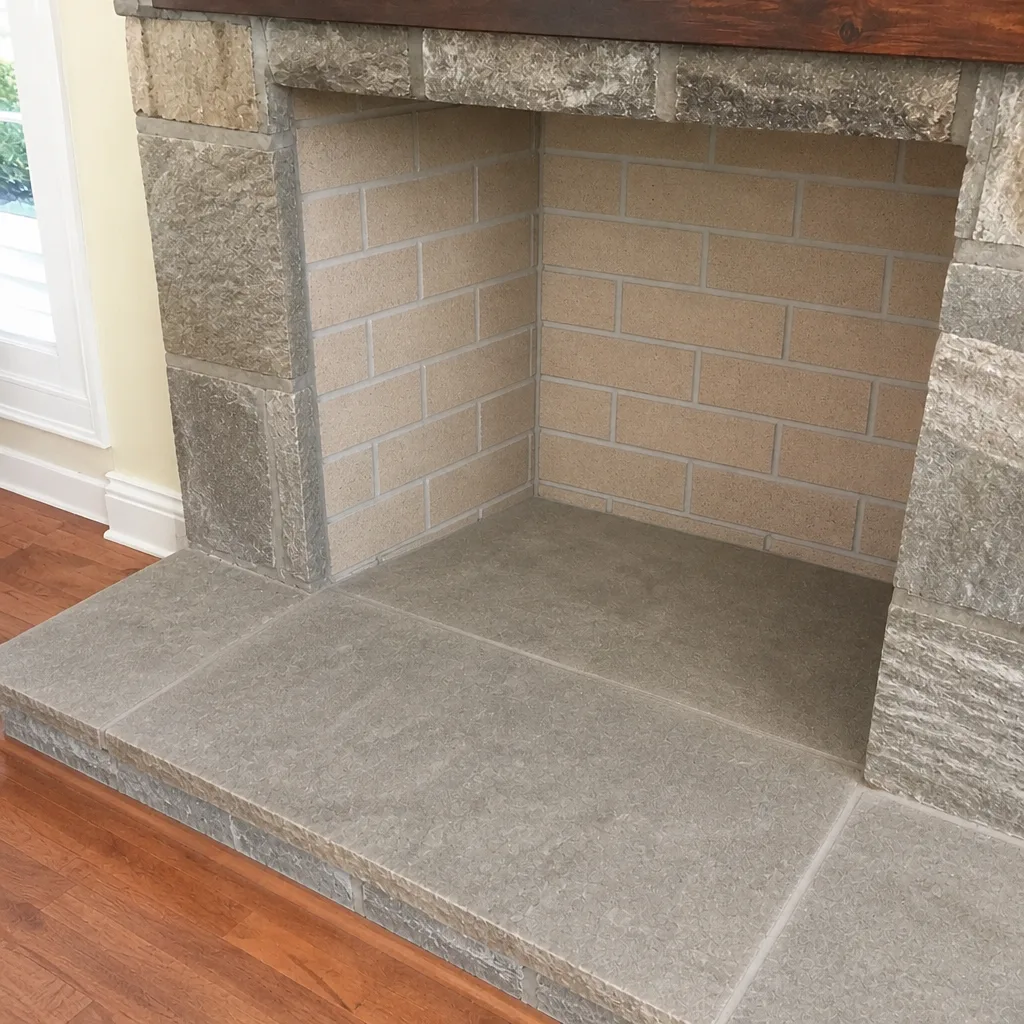
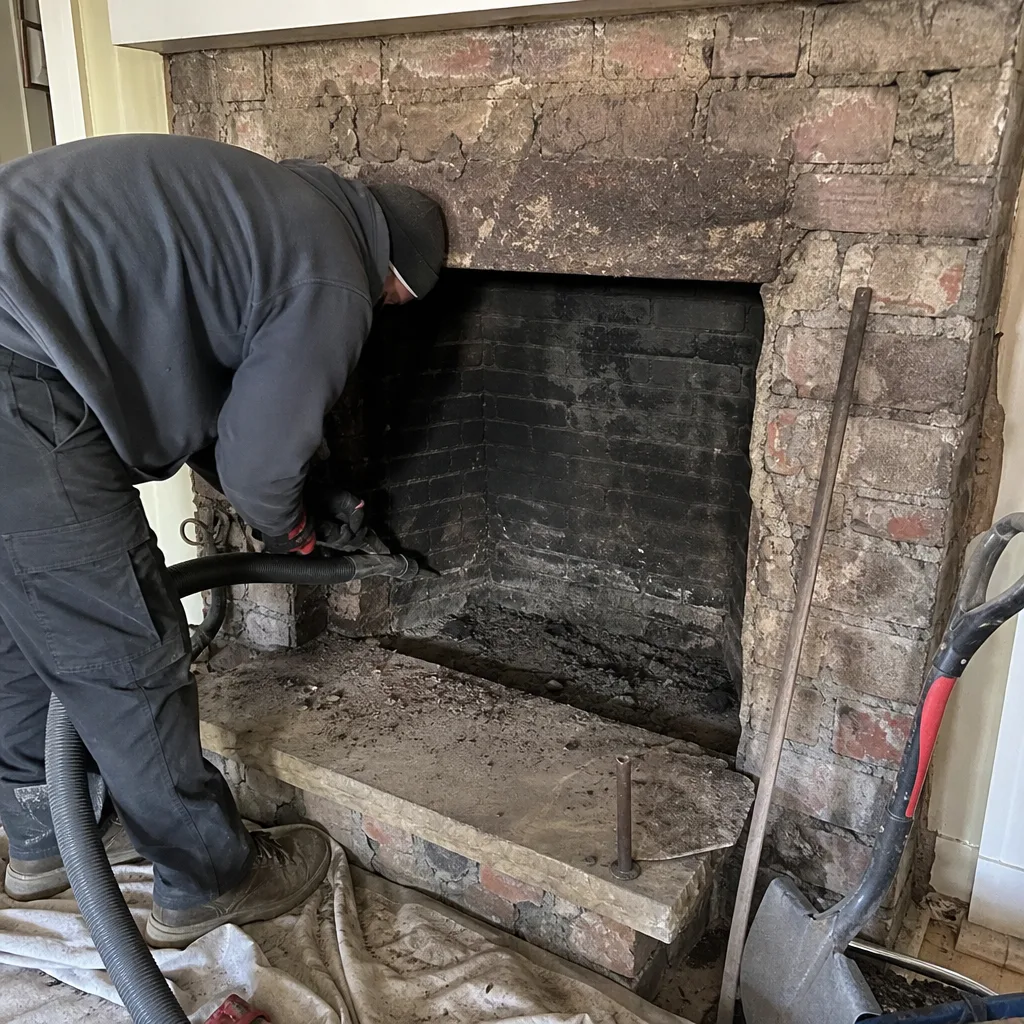
See the difference
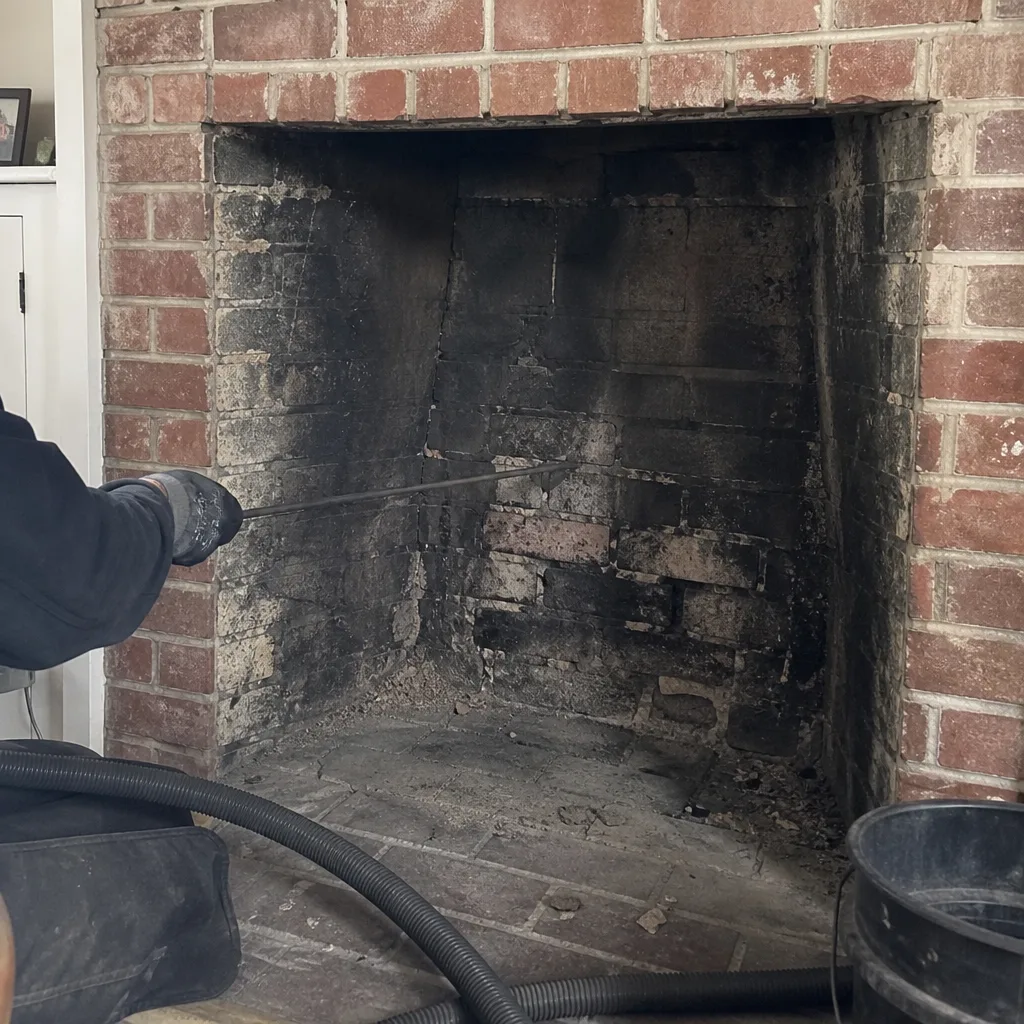 Before
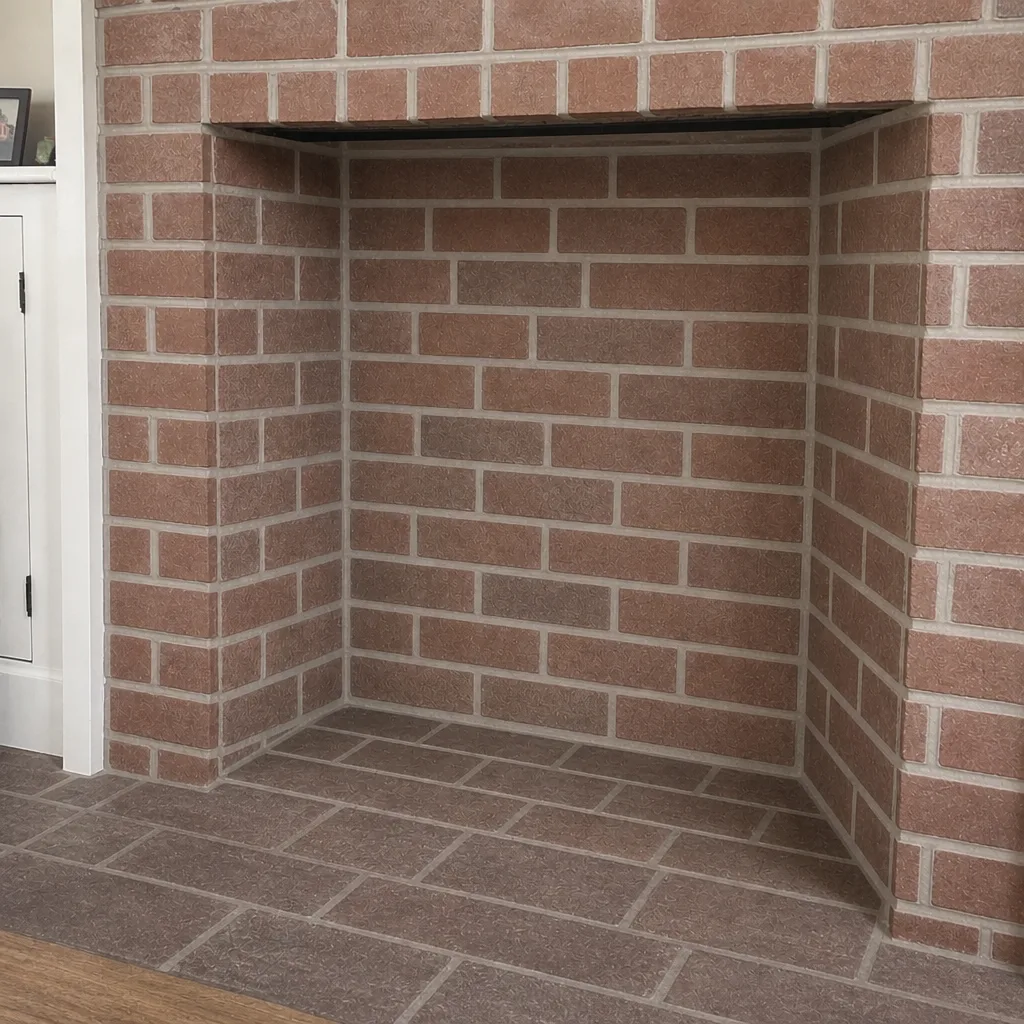 After
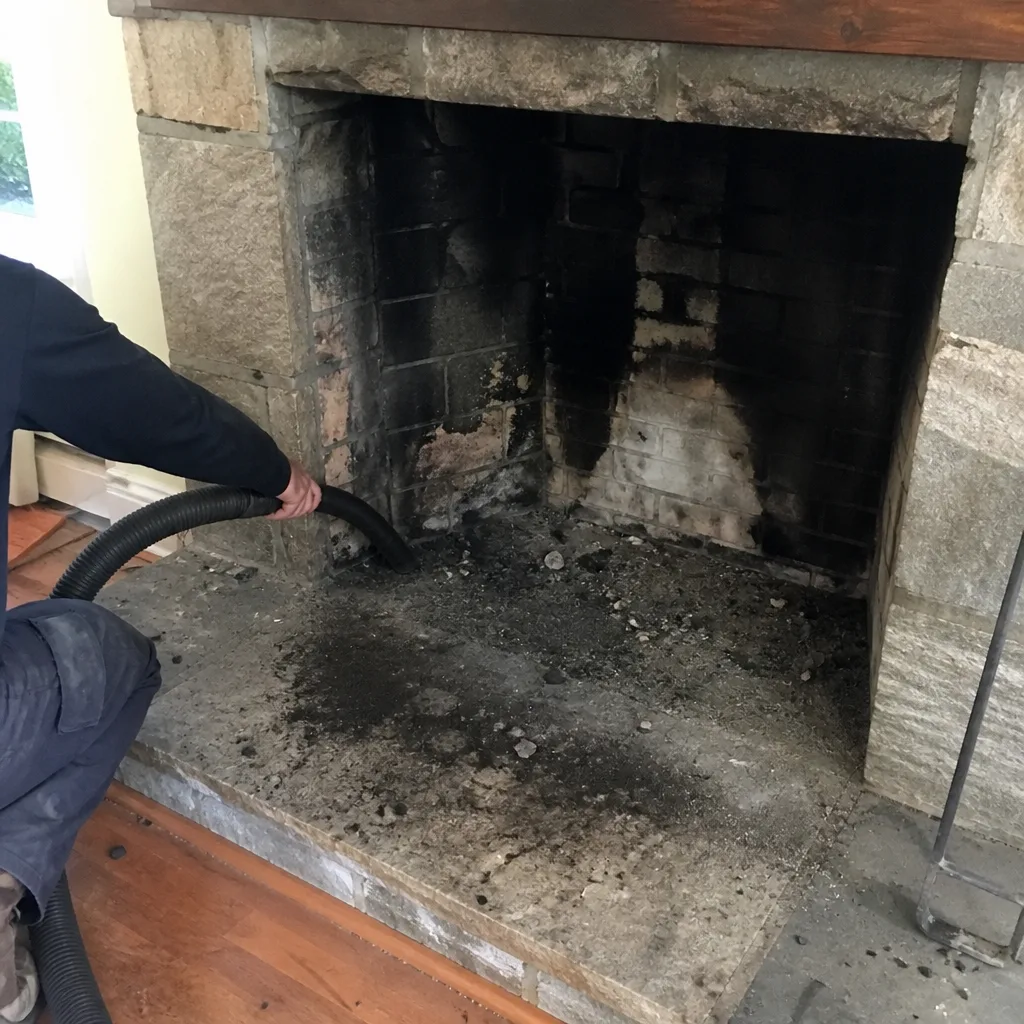 Before
 After
 Before
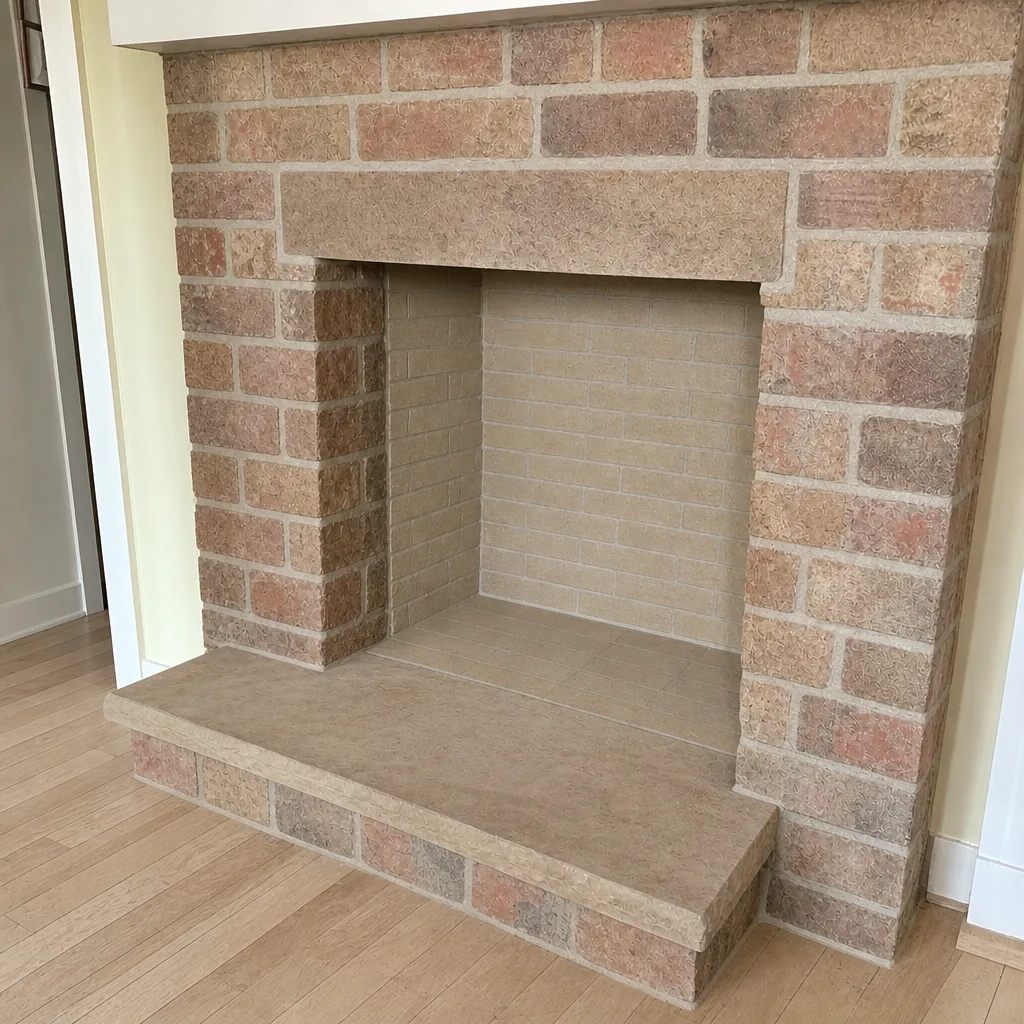 After
When to Call a Professional
Some chimney problems are safe to note and revisit next season. Others are calls for a professional now. Call us when you see or smell anything out of the ordinary – a strong creosote smell in warm weather, smoke backing into the room, a stain on the ceiling or chimney breast, cracked interior masonry, or a crown with visible separation from the flue. Call us before the first fire of the season if the chimney hasn’t been swept in a year or two, and call us before closing on a Fishtown home if the seller can’t produce a recent report. Those are the moments where a sweep and inspection cost far less than a repair they prevent. Chimney Sweep Fishtown offers free estimates in Fishtown – call (833) 432-4886.
Frequently Asked Questions
No. Routine chimney cleaning in Fishtown does not require a permit from Philadelphia’s Department of Licenses & Inspections. Cleaning is maintenance, not a structural alteration to the chimney system. Call (833) 432-4886 for an exact quote – estimates are free.
Yes. A liner replacement or relining introduces a new component into the chimney system and falls under L&I permitting rules, and the job should be inspected against NFPA 211 when complete. If a contractor won’t pull a permit for a liner replacement, ask why before you sign. Call (833) 432-4886 for an exact quote – estimates are free.
NFPA 211 is the national standard for chimney construction, inspection, and maintenance, and it’s the standard a competent contractor should be working to on every job. Philadelphia’s local code governs when a permit is required and adds local requirements; NFPA 211 governs how the work should be built. Together they set the bar for a Fishtown chimney.
Yes. A buyer’s inspector will check for permit history on any alteration to the chimney system, and unpermitted liner or crown work is likely to come up as a negotiation point or a credit request. Unpermitted work also complicates some insurance claims. A permit is the paper record that protects both.
A cleaning removes creosote and soot from the flue. An inspection evaluates the chimney system against NFPA 211 and the local code, at one of three levels, and produces a report on its condition. A cleaning is almost always paired with at least a Level 1 inspection. Call (833) 432-4886 for an exact quote – estimates are free.
A Level 2 inspection is appropriate at a home sale because it inspects accessible areas beyond what a routine Level 1 covers, including concealed portions of the flue. If the seller can’t produce a recent chimney report, a Level 2 is the safe place to start. Call (833) 432-4886 for an exact quote – estimates are free.
The Bottom Line
The permit question isn’t about paperwork – it’s about what happens to the record of your chimney over the years you own the house. Routine sweeps in Fishtown don’t need a permit. Liner replacement, crown reconstruction, and firebox work do. NFPA 211 is the standard every job should be built to, permitted or not, and the written report, photos, permit number, and named brands are the evidence that the work was done right. Ask your contractor the permit question before the job, not after. We answer 24/7. Fast dispatch from 7am to 7pm, Sunday through Friday. And when you need a sweep, a repair, or a rebuild, we’re the call that covers the whole chimney – call (833) 432-4886 for a free estimate.
Written by the team at Chimney Sweep Fishtown.